

Vintage furniture upcycling: A Complete Guide
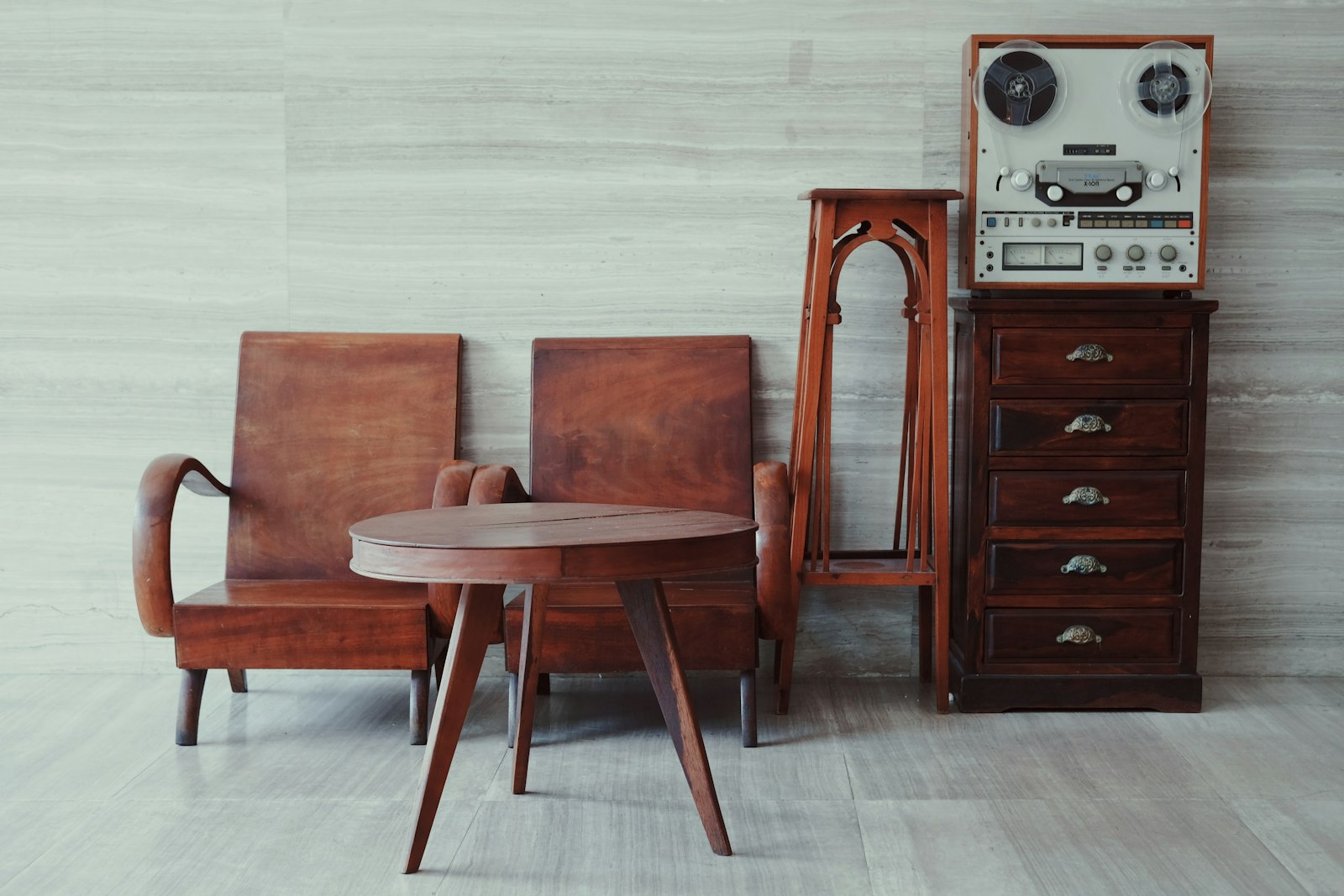
There is real magic in taking a tired, overlooked piece of furniture and giving it a second life. Upcycling vintage finds is kinder to the planet, gentler on your budget, and rewards you with pieces full of character that mass-produced furniture simply cannot match. Whether you are a seasoned restorer or picking up a sander for the first time, this guide will help you transform secondhand treasures into something special.
Learn to Spot Good Bones
The best upcycling projects start with the right piece. When shopping thrift stores, estate sales, or online marketplaces, look past dated finishes and focus on construction. Solid wood, dovetail joints, and sturdy frames are signs of quality worth saving. Surface flaws like scratches and old paint are easy to fix; a wobbly, poorly built frame is not.
Match the Project to Your Skills
Be honest about your time and experience. A simple refresh, new paint, new hardware, or a good clean and wax, can dramatically change a piece with very little risk.
Start Small for Confidence
If you are new to this, begin with a small, low-stakes piece like a side table or a single chair. A quick early win builds the confidence to tackle a dresser or cabinet later.
Prep Properly for Lasting Results
The secret to a professional finish is patient preparation. Clean the piece thoroughly, repair any loose joints, and sand the surface so new paint or stain can grip. Skipping prep is the most common reason upcycling projects peel or look amateurish. Time spent here pays off for years.
Choose Finishes That Honor the Piece
Decide whether you want to celebrate the wood or transform it. A natural oil or wax highlights beautiful grain, while chalk paint offers a soft, modern matte finish that suits older pieces wonderfully. Swapping dated handles for simple modern hardware is a small change with an outsized impact.
Blend Old and New at Home
A single vintage piece can anchor an entire room, adding history and warmth to a modern space. The contrast of an aged wooden dresser against clean contemporary lines is what gives a home soul. Aim for balance, letting one or two characterful pieces shine rather than crowding a room with them.
Embrace Imperfection
A few dents and signs of age are not flaws to erase but stories to keep. These marks are exactly what make vintage furniture feel authentic and loved. Restore thoughtfully, but let the piece keep its history.
Conclusion
Upcycling is a deeply satisfying way to build a home that is sustainable, affordable, and entirely your own. Start with good bones, prepare patiently, and let each piece keep its character. When you are ready to pair your restored treasures with timeless accents, explore our curated collection at Little-Chapter.com, where every item is chosen to help your home feel warm, gathered, and full of story.