

Transform Your Bathroom into a Spa-Like Retreat at Home
The bathroom is the one room in the house where we begin and end every day — where we make the transition from sleep to wakefulness, from private to public, from the vulnerability of rest to the engagement of activity. It is also, in most homes, the smallest room and the one most constrained by fixed elements: the plumbing, the tiles, the basic fixtures that cannot be moved without significant expense and disruption. Working within these constraints to create a bathroom that feels genuinely restorative rather than merely functional is one of the most rewarding challenges in residential interior design.
The appeal of the spa bathroom — of a domestic bathroom that borrows the aesthetic and sensory qualities of the best hotel and resort bathrooms — is rooted in the recognition that the morning and evening routines the bathroom supports can be either functional or genuinely pleasurable depending entirely on the quality of the environment in which they take place. A beautiful, well-appointed bathroom encourages the kind of slow, attentive self-care that is genuinely restorative; a purely functional bathroom encourages the minimum necessary contact with its contents and the fastest possible exit.
Natural Materials: Stone, Wood, and Linen
The single most effective way to move a bathroom toward a spa aesthetic is the introduction of natural materials in place of the synthetic materials that dominate most standard bathroom installations. Natural stone — marble, limestone, slate, travertine — brings a quality of coolness, weight, and organic variation that no synthetic tile can replicate. Teak or bamboo elements — a bath mat, a shower bench, a small shelf — introduce warmth and texture that counterbalance the hardness of tile and stone. Linen or heavy cotton towels in neutral tones replace the hotel-white cotton of conventional bathroom textiles with something that looks and feels more considered.
The effect of natural materials in a bathroom is partly aesthetic and partly sensory: stone is cool to the touch; wood is warm and has a faint, pleasant smell; good linen becomes softer and more beautiful with each wash. These sensory qualities are what distinguish the spa experience from the purely functional bathroom experience, and they are achievable in any bathroom regardless of size through the strategic introduction of natural material elements at the places where they are most tactilely engaged.
Light: The Most Transformative Element
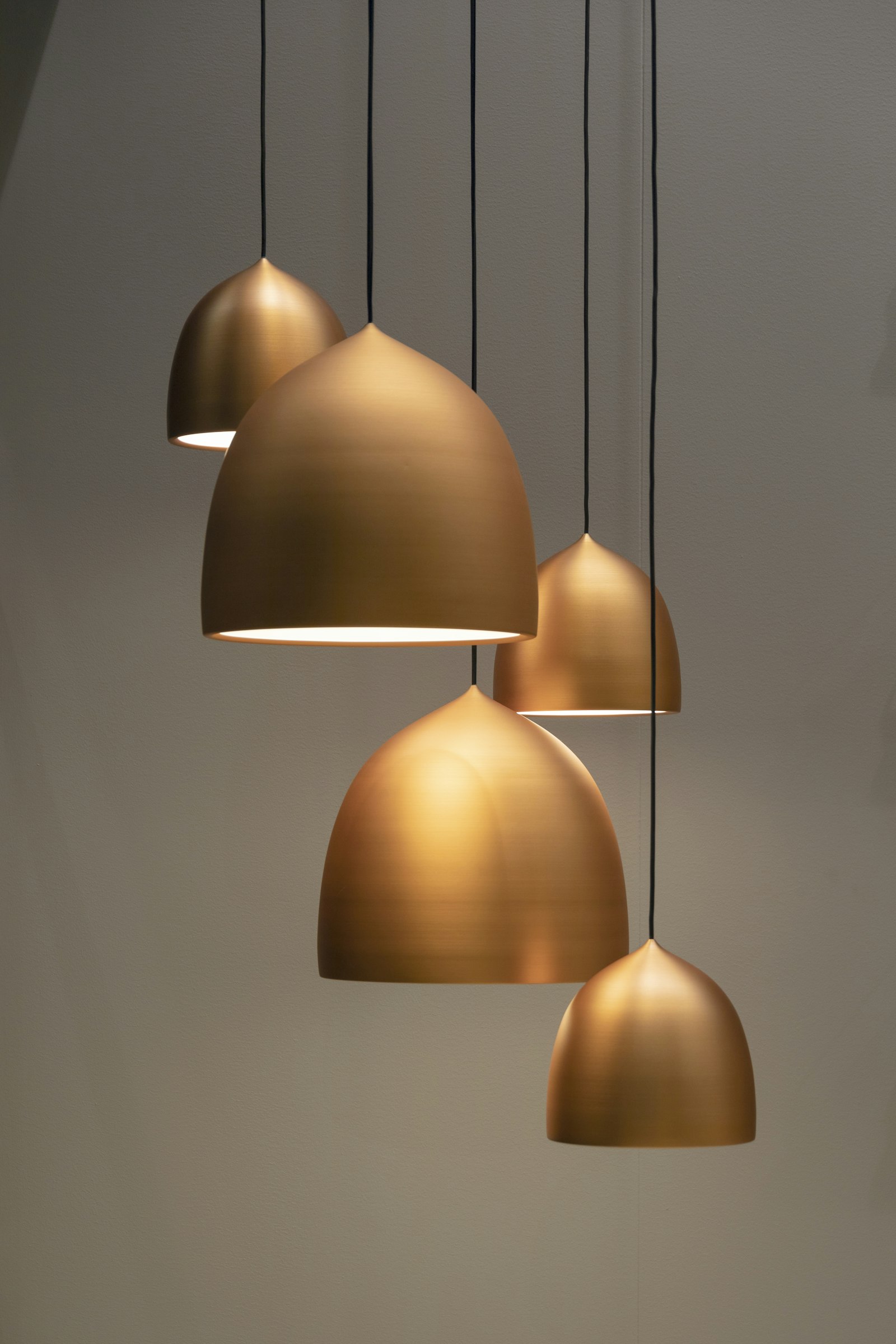
Lighting in the bathroom has both functional and atmospheric dimensions, and the best bathroom lighting addresses both. The functional requirement is adequate task lighting at the mirror — the kind of even, shadow-free illumination that allows accurate grooming without the distortion that overhead-only lighting produces. The atmospheric requirement is the availability of softer, warmer light for the evening bath or relaxation — light that encourages unwinding rather than arousal.
The most effective approach is to separate these functions into distinct lighting circuits: task lighting at the mirror on one circuit and general or ambient lighting on a separate, dimmable circuit. This allows the bathroom to serve both functions — efficient morning preparation and gentle evening relaxation — with lighting suited to each, rather than forcing a single lighting condition to serve two incompatible purposes. The addition of a few candles — the original bath-time light source — is the simplest and most affordable atmospheric upgrade available to any bathroom.
The Sensory Details: Scent, Sound, and Temperature
The spa experience is fundamentally a sensory experience, and the bathroom details that most powerfully communicate luxury and restoration are those that engage the senses most directly. Scent — through quality bath products, diffusers, or candles — is among the most powerfully evocative of the senses and one of the most accessible ways to transform the atmosphere of a bathroom regardless of its size or finish quality. A bathroom that smells of eucalyptus or lavender or cedar is experienced as more luxurious than one that smells of nothing in particular, regardless of the quality of its fixtures.
The textural quality of towels and bath mats — their weight, their softness, their absorbency — is similarly among the details that most directly affect the sensory quality of the bathroom experience. A heavy, well-woven cotton towel that has been washed until it reaches peak softness is one of the small luxuries most worth investing in, because it is engaged with daily and its quality is felt directly each time. Explore our curated collection at Little-Chapter.com for beautifully crafted bath textiles, natural bath accessories, and spa-inspired decor pieces that help you transform your daily routine into a genuine act of self-care.