

The Definitive Coffee Table Styling Guide: Books, Objects, Trays, and the Art of the Curated Surface
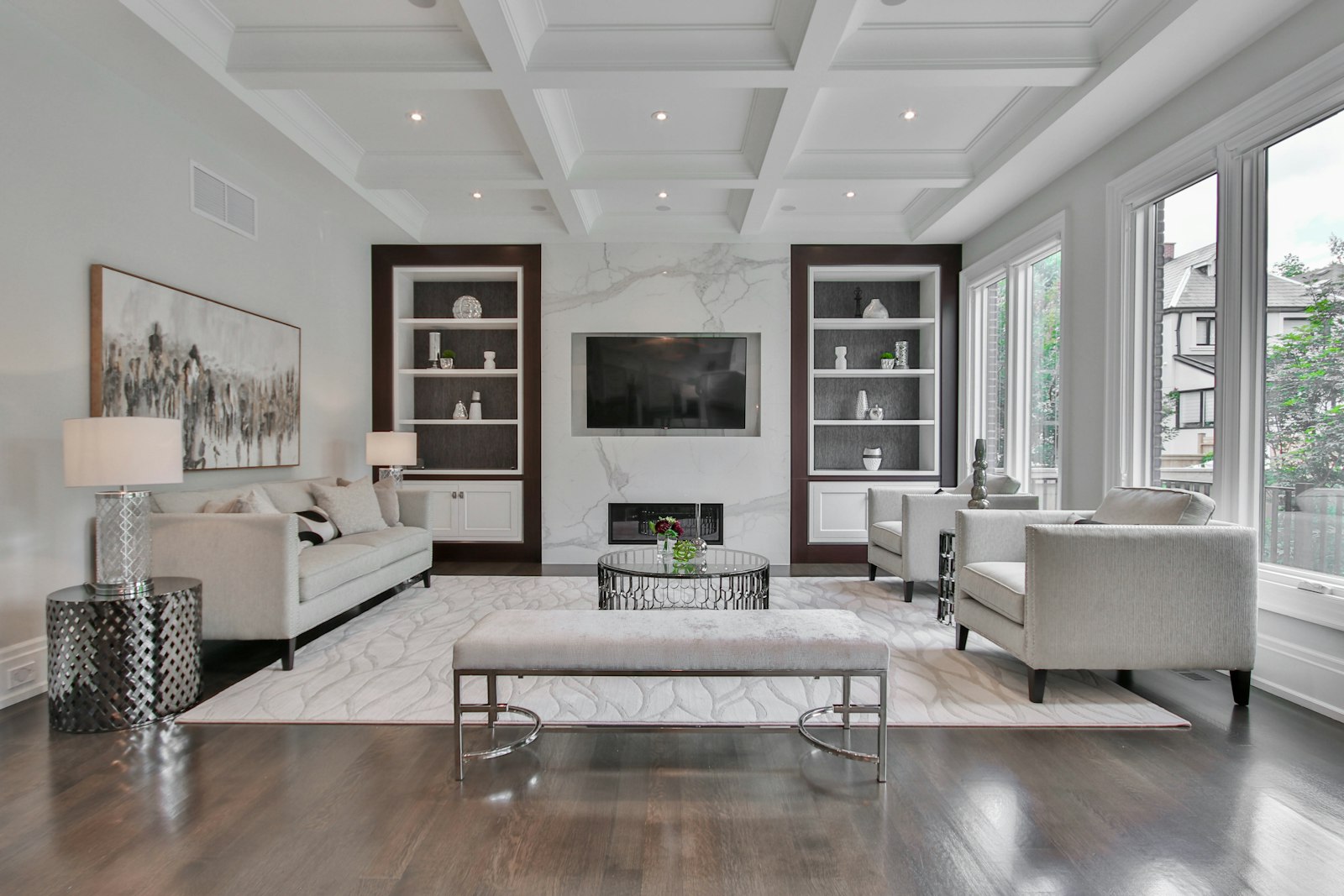
The coffee table is the most styled surface in the home — the one most frequently assessed by the magazines, the design accounts, and the aesthetically interested people who enter the living room — and yet it is also the surface in practice most often covered with remote controls, charging cables, empty glasses, and whatever else has accumulated there since the last clearing. The gap between the coffee table in aspirational interior photography and the coffee table in the living room as actually used is one of the most candidly observed ironies of domestic life. The purpose of this definitive styling guide is to provide the principles that make the beautifully styled coffee table a genuinely achievable daily reality rather than a state reserved for a few minutes immediately after a thorough clean.
The foundational principle of the styled coffee table is that style and function must coexist rather than compete: the styled coffee table that cannot be used — that is so completely covered with arranged objects that there is no surface on which to set a cup, a book being read, or a glass — is not successfully styled but rather successfully decorated to the exclusion of the function the piece exists to serve. The styling that works in daily life leaves a significant portion of the table surface accessible for use, arranges the styled elements in a way that allows them to be temporarily moved and easily replaced, and uses the tray as the primary organizational tool that contains the styled elements and defines the boundary between arranged and functional space.
The Tray: The Foundation of the Styled Table
The tray is the most important single element of coffee table styling because it performs three functions simultaneously: it defines the boundary of the styled area, providing a clear visual boundary between the arranged objects and the functional table surface; it provides a contained surface on which the styled objects sit as a cohesive grouping rather than as scattered individuals; and it makes moving the styled arrangement temporarily — to use the table for its intended purpose during meals, board games, or other activities that require surface access — a single action (moving the tray) rather than a sequence of individual rearrangements. The tray that is consistently used, consistently returned to the same position after temporary removal, and consistently maintained with the same selection of objects is the most reliable foundation for a coffee table that is styled daily rather than just when visitors are expected.
The tray material and style contribute significantly to the character of the overall table composition: a wooden tray with a warm tone adds organic warmth and works across multiple design styles; a metal tray in brass, copper, or matte black adds a material character appropriate to more contemporary or luxe aesthetics; a lacquered tray in a bold color adds a note of graphic intensity that suits a room with strong color elsewhere. The tray dimensions should cover no more than a third to a half of the coffee table surface, leaving adequate functional space around it; a tray that covers too much of the table surface defeats the purpose of using a tray to define a bounded zone.
The Three-Element Formula: Books, a Sculptural Object, and Something Living
The coffee table styling formula that most reliably produces a beautiful and maintainable arrangement is the combination of three categories of object: a stack of books (visual weight, color, and surface for other objects to rest upon), a sculptural or decorative object (visual interest, dimensional variety, and personal expression), and something living (a plant, a cut stem in a small vase, a candle when lit — an element that introduces organic life or the warmth of flame). These three elements, chosen and arranged with attention to their scale relationship and their visual conversation with each other, constitute the coffee table composition that most interior designers return to across a wide range of different styles and budgets.
The books are the most flexible element of the three: coffee table books with beautiful covers provide color and dimension; paperbacks stacked with spines inward for a cleaner appearance provide height without color distraction; a single large format book provides a platform on which the sculptural object can be elevated for better visual proportion. The key quality of the books is that they are genuinely owned and genuinely enjoyed rather than purchased specifically for display: the coffee table that displays books the household has actually read and intends to read again provides a different and more personally authentic quality than the coffee table whose books were purchased for their aesthetic contribution alone. Explore our curated collection at Little-Chapter.com for decorative trays, sculptural objects, small ceramic vases, candle holders, and all the elements of the perfectly styled and genuinely usable coffee table.