

The Budget Thrifter's Guide to Vintage Home Style: Finding, Assessing, and Styling Secondhand Finds
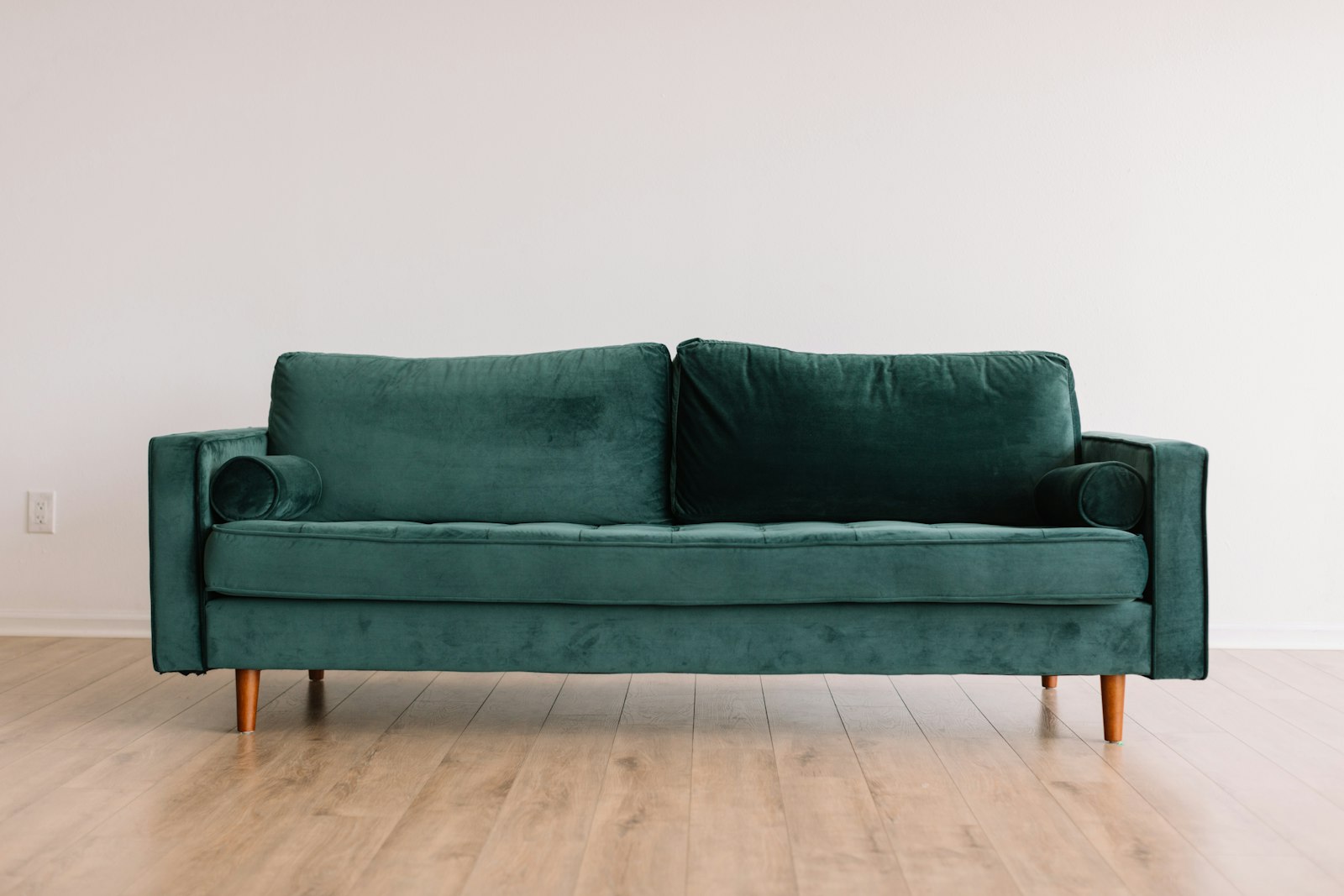
The secondhand and vintage market for home furnishings has never been more accessible, more extensive, or more rewarding for the budget-conscious home decorator with a good eye and the patience to look. The convergence of a thriving online resale market, growing consumer awareness of the environmental advantages of secondhand purchasing, and a design culture that has increasingly embraced the personal, layered quality of vintage interiors over the uniformity of all-new retail sourcing has created conditions in which genuinely beautiful, genuinely characterful home objects can be found at prices that new retail cannot approach. The skill that separates the thrifter who finds extraordinary pieces from the one who finds only junk is not luck but an understanding of what to look for, where to look for it, and how to assess quality under the imperfect conditions of secondhand shopping.
The first and most important principle of budget thrift decorating is specificity: the thrifter who knows what they are looking for, what qualities they are selecting for, and how the piece they find will be integrated into their existing space is dramatically more successful than the one who browses with open-minded generality. Specificity means knowing the approximate dimensions required for any furniture piece before visiting a market, knowing the color palette and material language of the room the piece will inhabit, and having a clear sense of the qualities — period, style, scale, material — that will make a piece work in context. With this specificity, a morning at a thrift market can produce exactly what is needed; without it, the same morning produces a random collection of objects that fit nowhere.
Where to Look: The Full Secondhand Ecosystem
The secondhand home furnishing market operates across multiple channels with different price points, quality levels, and search experiences. Charity shops and thrift stores occupy the lowest price tier and the most inconsistent quality range: the finds are occasionally extraordinary and reliably unpredictable, and the pleasure of thrift shopping at this level is largely in the serendipity of discovery. Online resale platforms — Facebook Marketplace, eBay, local classified listings, specialist vintage furniture platforms — offer searchability that the physical thrift experience cannot provide: the ability to filter by location, price range, material, period, and dimensions makes online resale the most efficient channel for finding specific types of piece at specific price points.
Estate sales and house clearances offer the highest density of genuine vintage pieces at competitive prices, because the volume of material being sold and the need for rapid sale typically produces more favorable pricing than a curated vintage shop where each piece has been individually assessed and priced for its market value. The disadvantage of estate sales is the effort required to attend them — they are time-limited, geographically dispersed, and typically offer no option for advance preview — but for the committed vintage home decorator with flexible time, they represent the richest hunting ground available.
Assessing Quality Under Secondhand Conditions
The ability to assess quality quickly and accurately under the imperfect conditions of secondhand shopping — in the dim light of a thrift store, under time pressure at a market, with other buyers examining the same piece — is the skill that most distinguishes successful vintage decorators from unsuccessful ones. The key assessments are structural soundness (joints that are tight and stable, drawers that run smoothly, frames that do not wobble), material authenticity (solid wood rather than veneered particleboard, the weight and feel of real ceramic rather than plastic or resin), and the reversibility of whatever condition issues exist (whether a finish that is scratched or dull can be revived, whether a fabric that is stained or worn can be replaced).
The most important question when assessing a secondhand piece is not "is this perfect?" but "is this repairable to the standard I need at a cost that leaves this purchase worthwhile?" Many vintage pieces with cosmetic imperfections — scratches, dull finishes, worn upholstery — are in excellent structural condition and can be restored to beauty with modest effort; the ability to distinguish cosmetic from structural problems is the assessment skill that unlocks the most value in the secondhand market. A structurally sound solid wood piece with a tired finish and good lines is always a better purchase than a cosmetically pristine piece in poor materials, because the former can be transformed and the latter cannot. Explore our curated collection at Little-Chapter.com for styling accessories, plant pots, candles, and accent pieces that complement and complete vintage and thrifted furniture finds with considered, contemporary additions.