

The Art of Minimalist Living Room Design: Creating Calm Through Simplicity
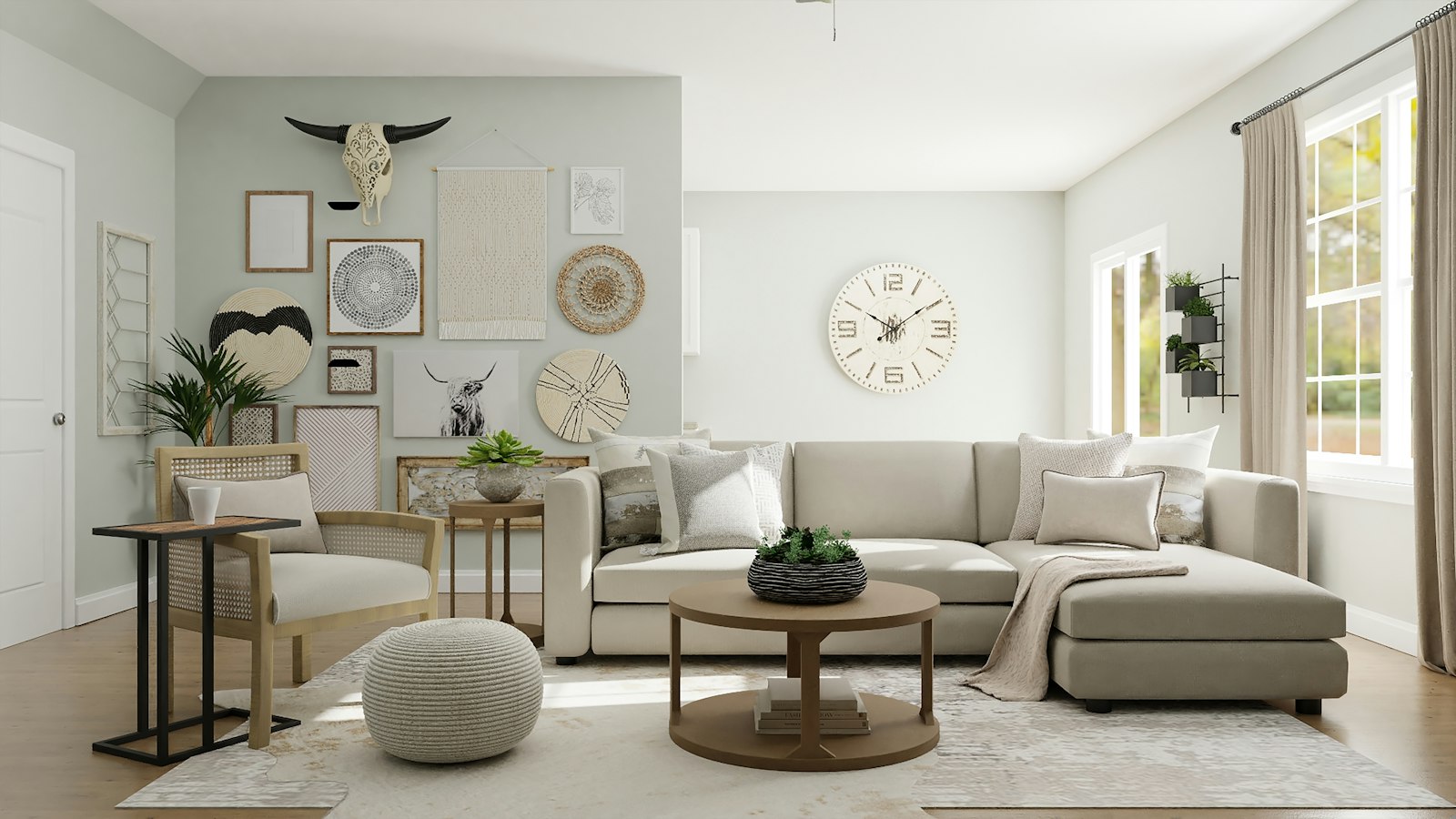
There is a particular kind of peace that settles over you when you walk into a well-executed minimalist living room. It is not emptiness — that is a misconception that puts many people off the style before they have truly understood it. It is instead a feeling of arrival, of breathing room, of a space that does not demand anything from you but simply holds you. The minimalist living room is one of the most genuinely livable interiors you can create, and it rewards those who take the time to understand what minimalism actually means: not the removal of everything, but the careful selection of only what matters.
Minimalism as a design philosophy asks a single, deceptively simple question of every object, surface, and arrangement in your home: does this earn its place? Not just aesthetically, not just functionally, but holistically — does it bring genuine value to the room and to the life lived in it? When you apply this question rigorously and honestly, you begin to see your living room with new eyes. You notice the things that are there out of habit or obligation or accumulated domestic drift, and you start to understand how much visual noise they create and how much mental energy they silently consume.
The Foundation: Color and Light
The minimalist living room almost always begins with a restrained color palette, but restrained does not mean cold or institutional. The most inviting minimalist rooms work with warm neutrals — creamy whites, soft oatmeal, warm stone, barely-there sage — rather than stark, cool whites that can feel clinical. The distinction matters enormously. A warm neutral palette creates a room that feels enveloping and calm rather than sparse and unwelcoming, and it provides a genuinely flexible backdrop for the carefully chosen elements that will populate your space.
Natural light is the single most important element in a minimalist interior. Without the visual richness of pattern, multiple colors, and abundant decoration, natural light becomes the primary source of life and movement in the room. This means that window treatments in a minimalist living room should be as simple as possible: sheer linen panels that filter light without blocking it, or simple roller blinds that disappear when raised. Heavy curtains, ornate valances, and layered window treatments all add visual weight that works against the essential lightness a minimalist room seeks to achieve.
Furniture: Fewer Pieces, Better Choices
The furniture in a minimalist living room should be fewer in number and higher in quality than you might be accustomed to. This does not necessarily mean expensive, though a commitment to quality often involves some investment. What it means is that every piece you choose should be genuinely beautiful in its own right — well-proportioned, made with integrity, satisfying to look at from every angle. A sofa with clean, considered lines that works beautifully without decoration. A coffee table with an honest simplicity of form. A single armchair positioned with intention. These are the elements of the minimalist living room.
Proportion and scale are critical in a minimal space. Without the visual distraction of abundant objects and layered decoration, every piece of furniture is seen clearly and in relationship to everything else. A sofa that is slightly too large for the room becomes oppressive; a coffee table at the wrong height disrupts the visual flow. In a minimalist living room, these decisions must be made with unusual care, and the reward for getting them right is a space of extraordinary visual satisfaction.
Surfaces and Storage: The Hidden Architecture of Minimalism
One of the most practical truths about minimalist living rooms is that they require genuinely good storage. The appearance of effortless calm is maintained by having somewhere considered and invisible to put everything that would otherwise accumulate on surfaces. This means built-in cabinetry, credenzas with ample closed storage, baskets and boxes that contain and conceal, and a disciplined approach to what lives in the room at all.
The surfaces themselves in a minimalist living room are treated as designed elements rather than display opportunities. A coffee table might hold a single beautiful book, a small tray, and a candle — arranged with intention rather than accumulated over time. A side table supports a lamp and nothing else. These constraints feel radical if you are accustomed to abundant display, but they are liberating once you experience them: surfaces that are clear and considered invite both the eye and the mind to rest.
The Human Touch: Warmth Within Restraint
The most common criticism of minimalist living rooms is that they feel cold or unwelcoming, and this is often true of minimalism done badly. The solution is not to abandon the discipline but to apply it with warmth. Natural materials — linen, wool, solid wood, clay and ceramics — bring organic warmth and tactile richness to a space without adding visual clutter. A single generous throw draped over the arm of a sofa. A wool rug with just enough texture to anchor the seating arrangement. A small collection of books on a shelf, their spines a quiet library of color.
Plants are one of the most effective tools for bringing warmth and life to a minimalist interior. A single large-leafed plant in a considered pot can do more for a minimalist living room than any decorative object. It brings movement, color, organic form, and the subtle reminder that life is present in the space. The discipline is to choose one significant plant rather than accumulating many small ones, to let a single considered gesture do the work that clutter cannot.
Minimalist living room design is ultimately an act of generosity toward yourself and toward everyone who enters your home. It creates a space that allows presence rather than demanding attention, that provides rest rather than stimulation, that gets better the longer you live in it. Explore our curated collection at Little-Chapter.com for furniture, textiles, and objects chosen for their beauty, their quality, and their ability to earn their place in a thoughtfully edited home.