

Statement Lighting Fixtures: How to Choose the Right Light for Every Room
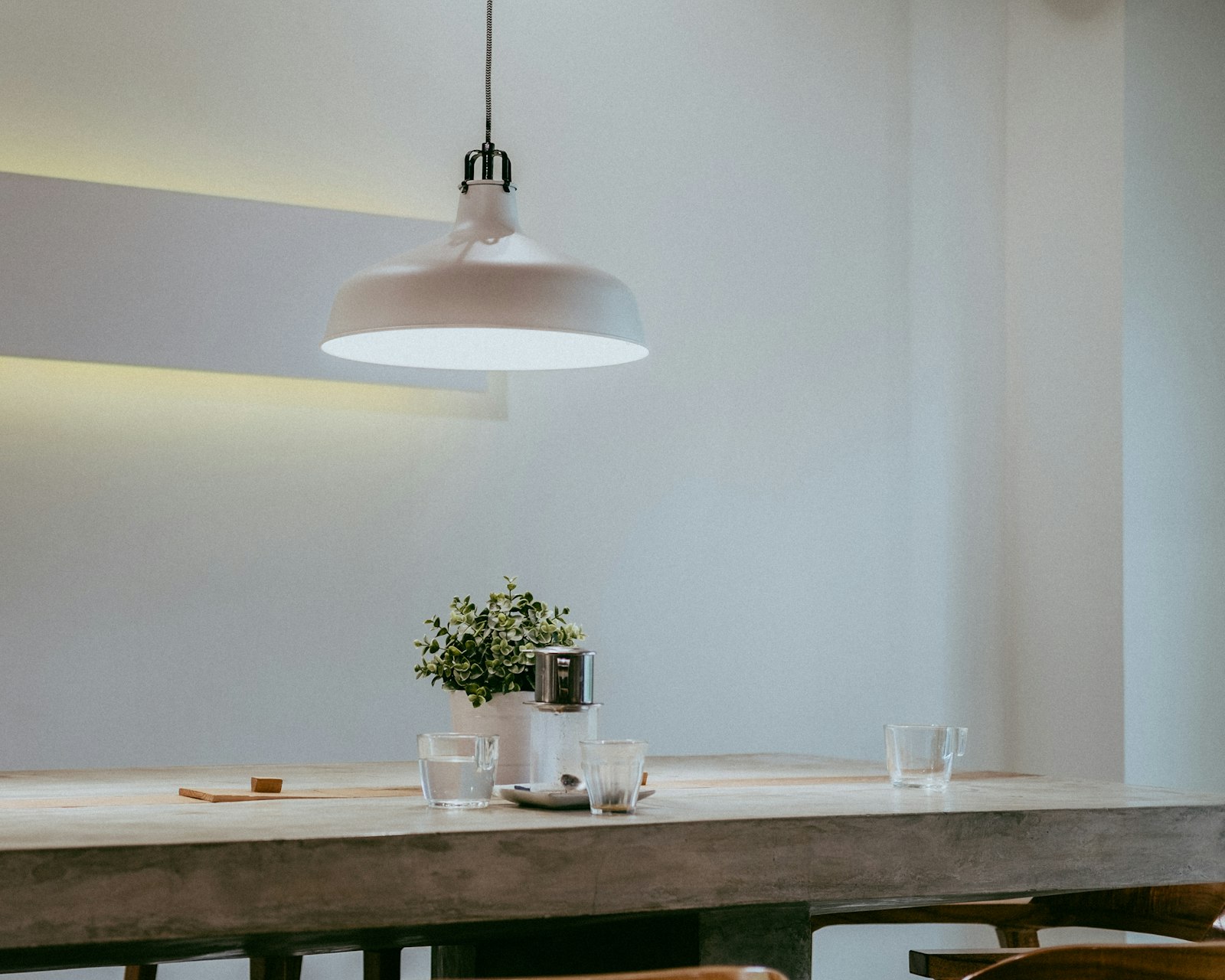
Lighting is the element of interior design that most dramatically and most immediately changes how a room feels, and yet it is also the element that is most consistently underestimated in the decorating process. People spend weeks choosing paint colors and months researching sofas, then order a pendant light in an afternoon as something of an afterthought. The results of this imbalance are everywhere: beautiful rooms with mediocre lighting that never quite live up to their potential, and ordinary rooms transformed by extraordinary light fixtures into genuinely memorable spaces.
Statement lighting — a fixture chosen not merely for its functional output but for its visual impact, its design quality, and its ability to anchor and define a space — is one of the highest-leverage investments you can make in any room. A great statement light does not just illuminate the room; it is the room, at least in the sense that it defines the room's character and quality as much as any other single element. It is the first thing visitors notice when they walk in, the thing that anchors every photograph of the space, and the element that most consistently separates a room that is merely decorated from one that is truly designed.
The Dining Room: Where Statement Lighting Lives
The dining room is the natural home of the statement pendant or chandelier, and the relationship between a dining table and the light fixture above it is one of the most important spatial relationships in any home. The fixture should be hung low enough to create an intimate zone of light over the table — generally with the bottom of the fixture 70 to 80 centimeters above the tabletop — and scaled appropriately to the size of the table it illuminates. A fixture that is too small for the table or hung too high loses its anchoring quality and its visual drama; one that is properly sized and positioned transforms the dining area into a genuinely distinct and atmospheric room within a room.
The style of dining room lighting has expanded significantly beyond the traditional chandelier. Oversized pendants in woven rattan or bamboo bring warm, organic texture to the dining area. Sculptural metal fixtures in blackened steel or brushed brass make a contemporary design statement. Industrial-inspired cluster pendants in smoked glass or cage formats work beautifully in loft-style spaces. The choice should respond to the character of the room and the table it serves while also having genuine design quality in its own right.
Living Room Lighting: Layers and Anchors
Living room lighting is more complex than dining room lighting because it must serve multiple functions — ambient illumination for social occasions, task lighting for reading, atmospheric lighting for evenings, and accent lighting for art and objects — and because the room is used at different intensities throughout the day. Statement lighting in the living room is therefore best understood as the anchor of a layered lighting scheme rather than the sole light source.
A central pendant or chandelier in the living room establishes the room's character and provides ambient light when dimmed to a low setting. Floor lamps positioned beside seating create pools of warm task light for reading. Table lamps on side tables and console tables add warmth at a human scale. Recessed downlights on dimmers provide flexible general illumination. The statement fixture is the most visible and most architecturally significant of these layers, but it works best when it is one element in a considered composition rather than the only source of light in the room.
Bedrooms and Bathrooms: Considered and Personal
Statement lighting in a bedroom requires a different approach than in public rooms, because the bedroom is a private space used primarily in the evening and at night, and because the quality of light it needs — warm, soft, and gently enveloping — is different from the more functional requirements of other rooms. A beautiful, delicately-scaled pendant above a bedside table, replacing a conventional bedside lamp, creates a sculptural quality at eye level that transforms the bedroom. A dramatic oversized fixture above the bed, hung so that it becomes the architectural centerpiece of the room, works in larger bedrooms with higher ceilings.
Scale is the most critical consideration in choosing a statement light fixture for any room, and it is the area where mistakes are most commonly made. A fixture that is too small for the room simply disappears, providing neither the functional illumination nor the visual impact that a statement piece should deliver. Use the room's dimensions as a guide: the diameter of a dining pendant in centimeters should roughly equal the sum of the room's length and width in meters. Err on the side of larger rather than smaller — a generous fixture makes a room feel designed; a timid one makes it feel unfinished. Explore our curated collection at Little-Chapter.com for statement lighting, table lamps, and floor lamps that bring beautiful light to every room.