

Outdoor Living Spaces: Extending Your Home's Style Into the Garden
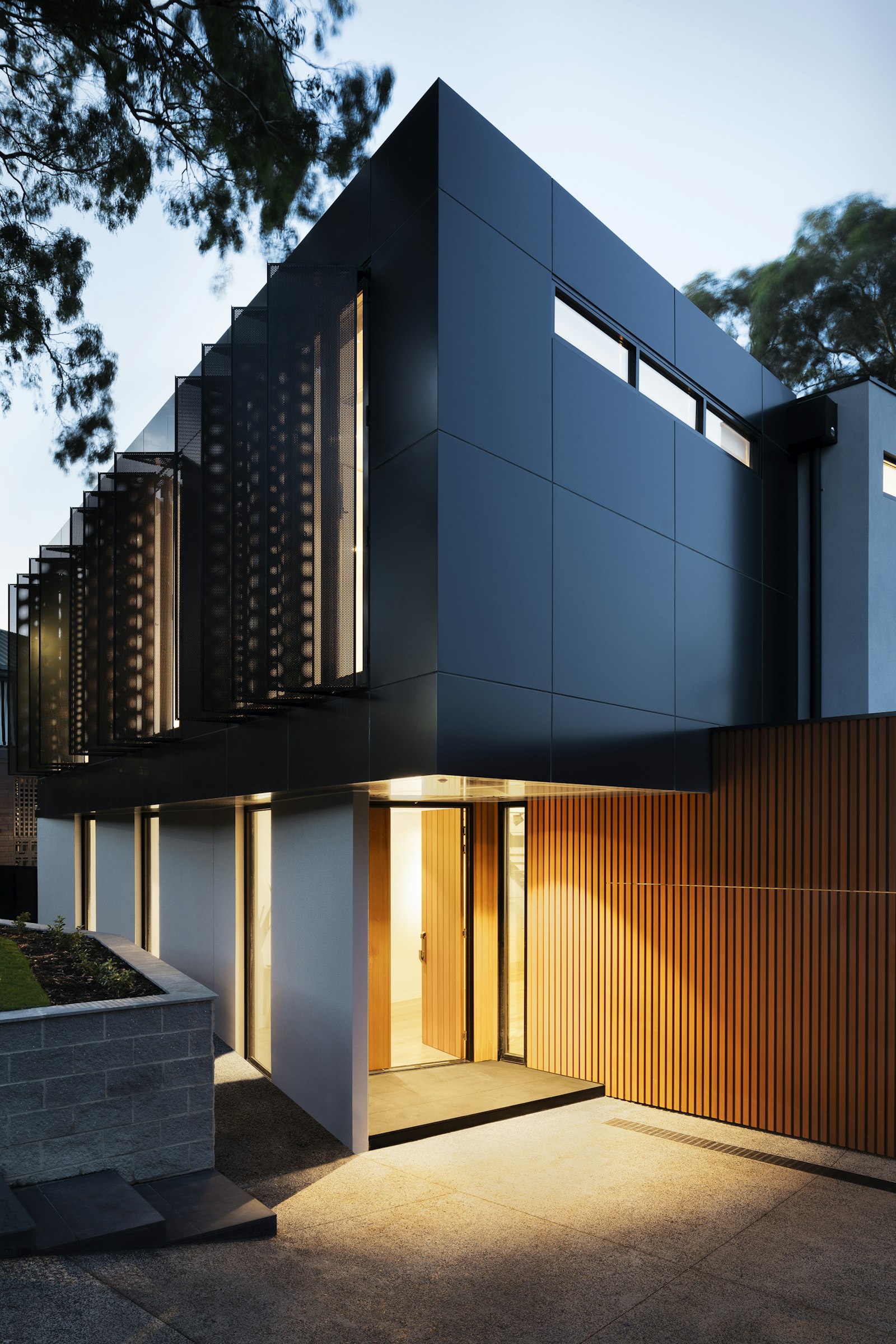
The outdoor living space — the terrace, patio, balcony, or garden seating area — represents one of the most underutilized opportunities in residential design: the chance to extend the habitable and enjoyable space of a home beyond its walls without the cost and complexity of construction. A well-designed outdoor room can effectively increase the livable area of a house during the warmer months by a significant percentage, providing space for dining, entertaining, relaxing, and the kind of informal leisure that benefits most from a connection to the outdoors.
The design of an outdoor living space requires the application of the same principles that govern interior design — scale, proportion, composition, layering of materials and textures — but applied to a context with different material constraints and different environmental conditions. Outdoor furniture must be weather-resistant; outdoor textiles must be UV-stable and moisture-resistant; outdoor lighting must be weatherproof. Within these constraints, the range of aesthetic options available for outdoor spaces has expanded dramatically, and the quality of outdoor furniture and accessories now available makes it genuinely possible to create outdoor rooms that are as well-designed as their indoor counterparts.
Defining the Space: Rugs, Structures, and Planting
The most important design task in an outdoor living space is the same as in an interior room: defining the space in a way that makes it feel like a room rather than simply an area. In interior rooms, this is achieved through walls, floor changes, and furniture arrangement; in outdoor spaces, the equivalent tools are outdoor rugs, overhead structures, and planting that provides enclosure and definition without solid walls.
An outdoor rug — a flat-weave or synthetic fiber rug designed for exterior use — performs exactly the same function as an interior area rug: it defines the seating area, grounds the furniture arrangement, and adds color and pattern. The psychological effect is significant: a seating area without a rug feels like furniture placed on a surface; a seating area with a rug feels like a room. This single addition has perhaps the largest impact-per-cost ratio of any outdoor space design decision.
Furniture: Quality, Comfort, and Weather Resistance
Outdoor furniture has traditionally been designed primarily for weather resistance at the expense of comfort, producing pieces that survive the elements but do not invite the kind of relaxed, extended lounging that makes outdoor rooms genuinely pleasurable to use. This has changed: the best contemporary outdoor furniture combines genuine weather resistance with the quality of comfort and design that makes it as pleasant to sit in as its indoor counterparts.
The materials that currently offer the best combination of weather resistance and aesthetic quality are powder-coated steel or aluminum (lightweight, rust-resistant, available in almost any color), teak or acacia wood (genuinely weather-resistant, beautiful when left to silver naturally or maintained with oil), and all-weather wicker or synthetic rattan (warm aesthetic, durable with proper maintenance). Each has its appropriate context and maintenance requirements, and the choice should be made in relation to the specific exposure and climate of the outdoor space.
Outdoor Lighting: The Element That Extends the Season
Outdoor lighting is the single element that most extends the usefulness of an outdoor living space: without it, the space can be used only during daylight hours and the long evenings of spring and summer are lost. With good outdoor lighting — warm string lights overhead, lanterns on the table, path lighting at the edges of the space — the outdoor room becomes usable from dusk until the temperature falls, effectively doubling the hours during which it can be enjoyed on a long summer evening.
The aesthetic quality of outdoor lighting — the warmth and informality of string lights, the gentle glow of lanterns, the subtle drama of uplighting in planting — is part of what makes a well-lit outdoor space feel like a genuinely romantic and pleasurable place to be. The quantitative requirement is not high: outdoor spaces need less light than interior rooms because the eye adjusts quickly to lower light levels when outdoors, and a few well-placed light sources create more atmosphere than a large number of poorly placed ones. Explore our curated collection at Little-Chapter.com for beautiful outdoor textiles, decorative lanterns, and garden accessories that help you create an outdoor living space you genuinely look forward to spending time in.