

Japandi Interior Philosophy: Finding Peace Where Japan Meets Scandinavia
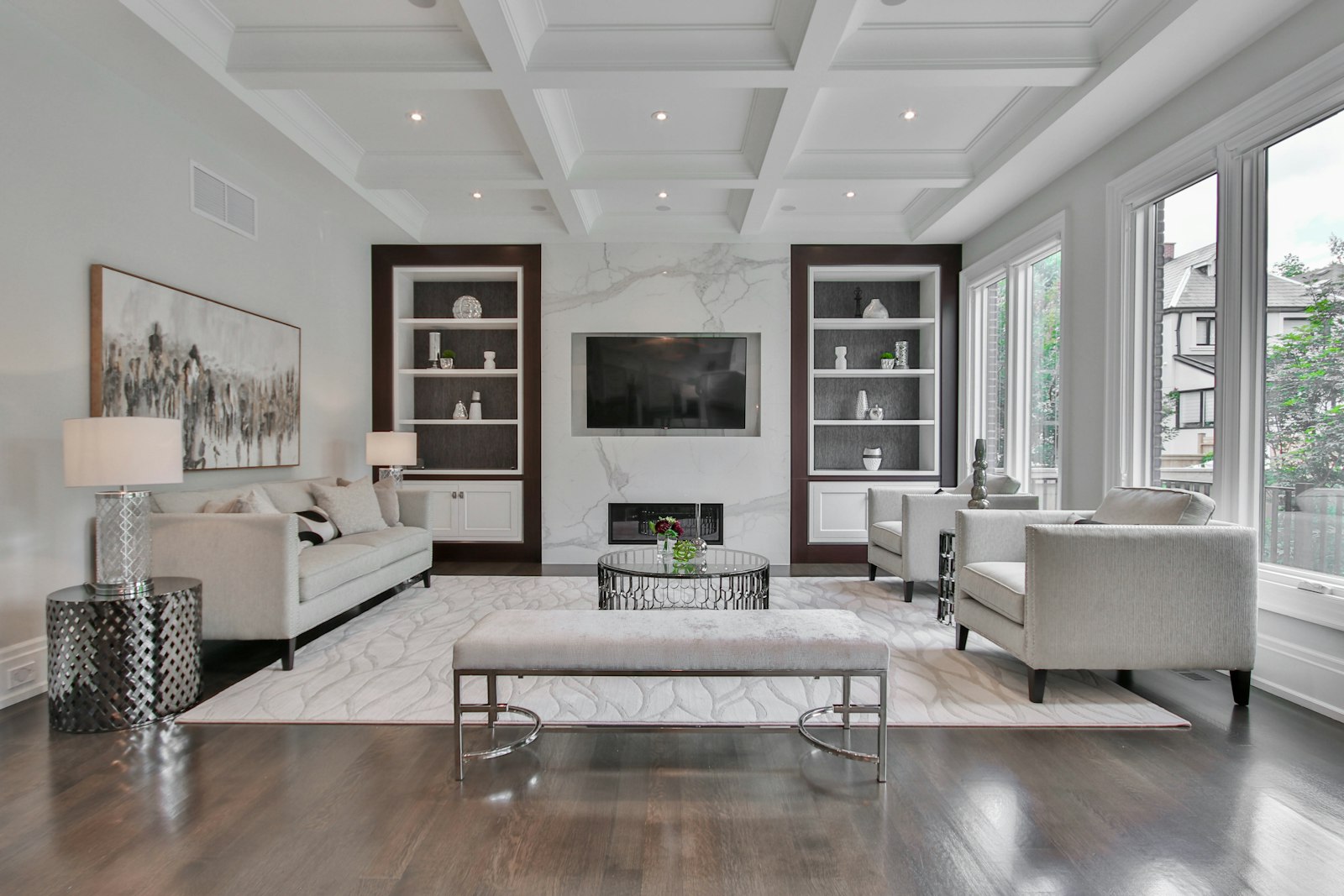
Two cultures separated by thousands of miles arrived, independently, at strikingly similar conclusions about how a home should feel. Japanese design, shaped by centuries of Buddhist philosophy, smallness of living space, and a deep aesthetic relationship with nature, championed simplicity, impermanence, and the beauty of what is left unsaid. Scandinavian design, forged by long winters, respect for craft, and a pragmatic relationship with natural materials, arrived at its own version of the same truths. Japandi — the now widely-celebrated synthesis of the two — is not a designed trend but a recognition of genuine kinship.
What makes Japandi more than a passing style is that it is grounded in philosophy. Both traditions ask the same questions: what does a space need to support human wellbeing? What can be removed without loss? How can materials be used honestly, and how can they be allowed to age with grace? The answers these two cultures arrived at independently are so similar that bringing them together feels less like hybridization and more like reunion.
Warm Minimalism: The Defining Quality
If Japandi has a single defining quality, it is what has come to be called warm minimalism. Pure minimalism, executed coldly, can feel alienating — the architectural equivalent of a blank stare. Japandi avoids this through the deliberate use of natural materials, warm earthy tones, and the Japanese concept of wabi-sabi: the beauty of imperfection, impermanence, and the marks that time and use leave on surfaces and objects. A Japandi room is calm but not clinical. Empty but not cold.
The palette moves through soft, desaturated tones — warm whites, putty, mushroom, pale sage, muted charcoal, terracotta, forest green — and these colors are always grounded in nature. They are the colors of the materials themselves rather than applied over them: the natural color of unfinished oak, the warm grey of aged stone, the soft green of aged copper, the deep brown of walnut heartwood. When the materials themselves carry the palette, the room has a coherence that cannot be achieved through color alone.
Materials: Natural, Imperfect, Honest
The material palette of a Japandi interior is where the two cultural traditions merge most beautifully. Wood, stone, ceramic, rattan, linen, cotton, wool — these are the materials that build the sensory world of a Japandi space. They are chosen not for their perfection but for their character: the grain variation in a solid oak tabletop, the slight irregularity in a hand-thrown ceramic bowl, the natural variation in a woven linen cushion.
The Japanese tradition brings a particular depth to the treatment of materials. Wabi-sabi teaches that the patina developing on a wooden surface over years of use, the wear at the edge of a well-loved ceramic mug, the gentle fading of a natural textile — these are not flaws to be corrected but marks of a life genuinely lived. A Japandi home does not hide the signs of use; it honors them. This gives Japandi interiors a quality of honest beauty that perfectly preserved, pristine spaces simply cannot achieve.
Furniture: Low, Light, Carefully Chosen
Japandi furniture shares characteristics across both cultural traditions. Pieces tend to sit close to the ground — a nod to Japanese floor-level living that creates a sense of groundedness and visual spaciousness. Legs are slim and often tapered, maintaining a sense of lightness even in substantial pieces. Lines are clean without being harsh; gentle curves soften what might otherwise feel austere.
The selection of furniture in a Japandi room is deliberate and restrained. There is an understanding that each piece, properly chosen and placed, carries significant visual weight — and that this weight requires breathing space around it to be properly experienced. A low oak sofa, a solid coffee table with beautiful grain, a single armchair of exceptional quality, a minimal floor lamp: this might be the complete furniture inventory of a Japandi living room. It is enough because everything present is genuinely excellent.
Storage is handled with equal discipline. Both Japanese and Scandinavian cultures value the psychological relief of a tidy, organized environment, and Japandi interiors achieve their characteristic calm partly through the scrupulous organization of daily clutter out of sight. Built-in cabinetry with handle-free fronts, traditional tansu chests with their system of graduated drawers, and clever integrated solutions keep the visual space clean while daily life continues undisturbed beneath the surface.
Nature: Brought In With Intention
Both Japanese and Scandinavian cultures have a profound, culturally embedded relationship with the natural world, and this relationship is expressed in Japandi interiors through carefully considered natural elements. A single dried botanical branch in a tall ceramic vase. A low dish of smooth river stones arranged on the coffee table. A small moss arrangement under a glass dome. A trailing plant placed where it can be appreciated individually. These elements bring the outside world into the interior space in a way that is contemplative rather than merely decorative.
The Japanese art of ikebana — flower arrangement as a meditative discipline — offers a useful model here. The relationship between stem, leaf, and negative space is as important as the flower itself. A single branch in a ceramic vessel, arranged to show the natural direction of its growth, placed where it can be seen clearly against a plain wall — this is Japandi nature-display. Not abundant, not decorative in the conventional sense, but deeply considered.
The Philosophy in Practice
To inhabit a Japandi space is to be invited, continuously, into a quality of attention that daily life rarely encourages. The room is designed to be noticed — to reward the person who pauses to feel the grain of the wooden table, to observe how the late afternoon light moves across the textured plaster wall, to appreciate the weight and warmth of a ceramic mug in the hand. These small moments of sensory presence are what the Japandi aesthetic, at its deepest, is trying to cultivate.
Begin the Japandi approach wherever you are, with whatever you have. Start by removing one thing from each surface. Choose the most beautiful everyday object in your kitchen and give it a place where it can be properly seen. Replace a synthetic textile with a natural one. Notice the change each adjustment makes, and let that noticing guide the next choice. The Japandi home is built one considered decision at a time. Explore our curated collection at Little-Chapter.com for handcrafted Japandi-inspired pieces that bring warmth, calm, and honest beauty to your home.