

Japandi interior philosophy: A Complete Guide
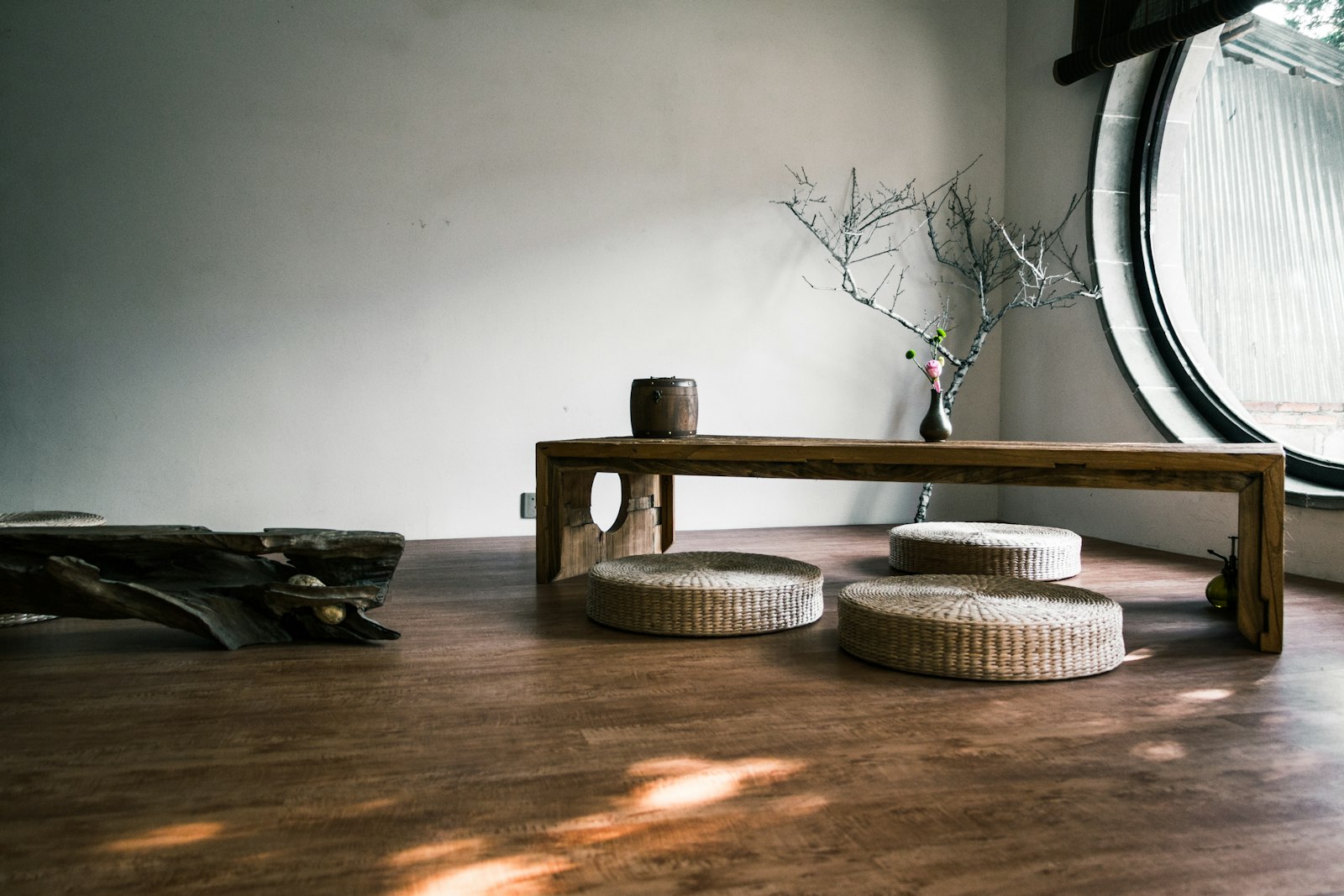
Japandi is what happens when two of the world's most beloved design traditions fall into easy conversation. It blends the warm minimalism of Scandinavia with the serene, nature-rooted craftsmanship of Japan. The result is a home that feels quiet, grounded, and deeply intentional. More than a trend, Japandi is a philosophy about living with less but better, and this guide will help you bring its calm spirit into your space.
Understand the Shared Roots
Although they developed continents apart, Japanese and Scandinavian design share a love of natural materials, functional beauty, and restraint. Japandi draws on the Japanese concept of wabi-sabi, the appreciation of imperfect, weathered beauty, and pairs it with Scandinavian hygge, the pursuit of warmth and comfort. Holding both ideas in mind is the key to getting the look right.
Choose a Grounded, Natural Palette
Japandi leans on muted, earthy tones: warm beige, soft taupe, charcoal, clay, and gentle greens. Scandinavian lightness keeps the room airy while Japanese depth adds a few darker, richer accents. Avoid anything too bright or glossy; the goal is a palette that feels like it was drawn straight from the natural world.
Invest in Craft and Quality
Both traditions prize objects that are made to last and made by hand. Choose solid wood furniture with clean, low lines, handmade ceramics, and textiles in linen, wool, and cotton.
Let Materials Age Gracefully
A wooden table that develops a patina or a ceramic bowl with a slightly uneven glaze is celebrated, not hidden. These signs of age and handcraft are the heart of wabi-sabi and give a Japandi room its soul.
Practice Mindful Minimalism
Japandi spaces are uncluttered, but never cold. The discipline is to keep only what is useful or genuinely beautiful, then arrange it with plenty of breathing room. Low furniture, clear surfaces, and a few carefully chosen objects create a sense of calm that you can feel the moment you walk in.
Connect With Nature
Bring the outside in through a single sculptural branch, a bonsai or simple potted plant, and natural light wherever possible. The connection to nature is essential; it keeps the minimalism feeling alive and serene rather than austere.
Balance Light and Shadow
Where Scandinavian rooms chase brightness, Japanese design honors gentle shadow. Layer soft, warm lighting and let some corners stay dim and restful. This interplay of light and shadow gives Japandi interiors their meditative, grounding quality.
Conclusion
Japandi is less about following rules and more about cultivating calm. Choose natural materials, honor craftsmanship, and edit with intention, and your home will become a true retreat from a noisy world. When you are ready to find the handcrafted, timeless pieces that embody this philosophy, explore our curated collection at Little-Chapter.com, where every item is chosen to help you live more slowly and beautifully.