

How to Mix Metals in Home Decor: The Designer's Complete Guide
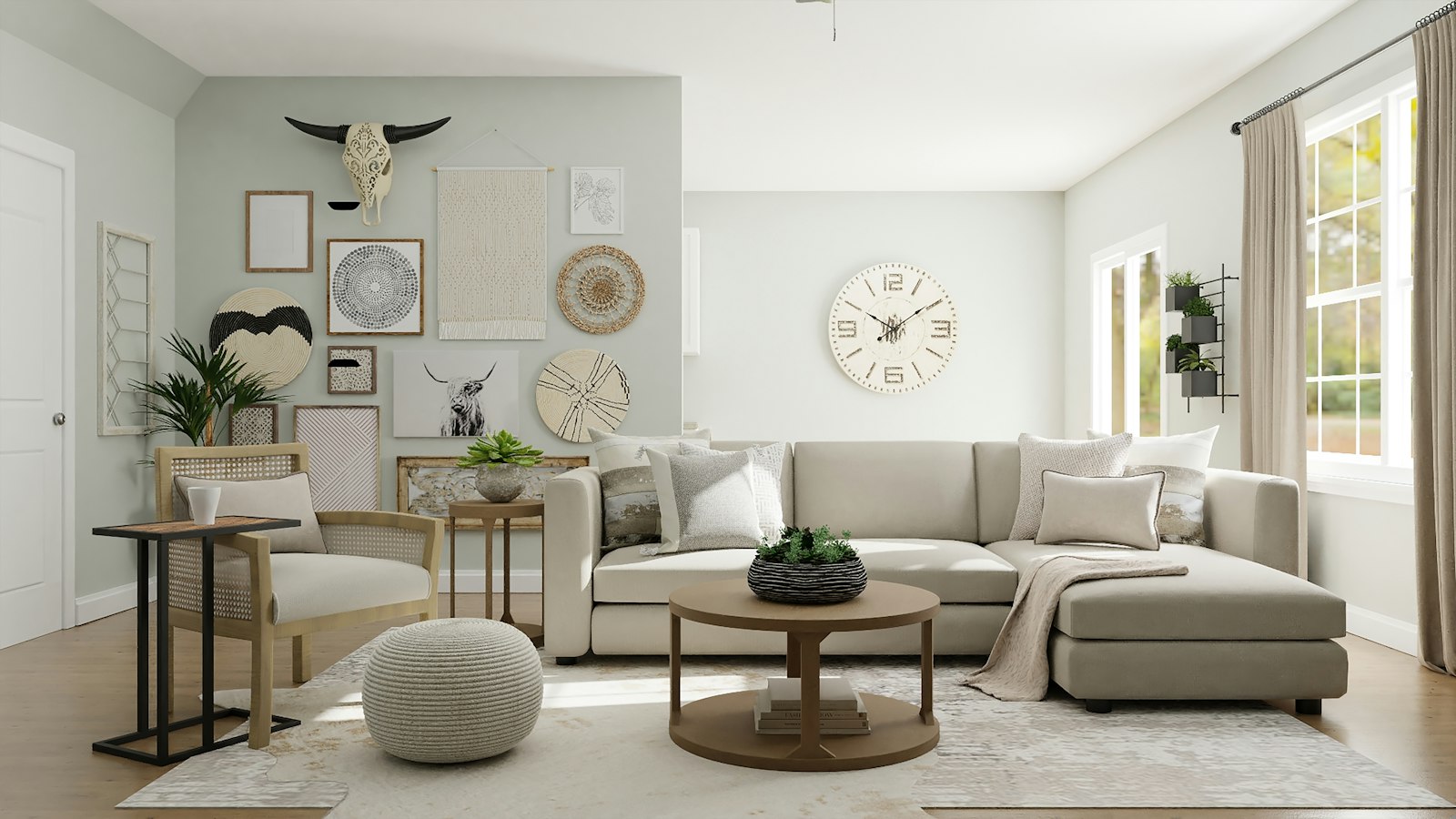
Walk into any beautifully designed home and you will notice something subtle but powerful at work beneath the surface. It is not just the furniture arrangement or the color palette that creates that sense of effortless sophistication — it is the way different metal finishes play off one another throughout the space, creating visual rhythm and a sense of deliberate curation. Mixing metals in home decor is one of the most transformative skills any homeowner can develop, and yet it remains one of the most misunderstood. The old rule that metals must match has given way to something far more interesting: the understanding that contrast, when handled thoughtfully, creates depth that a single-finish approach simply cannot achieve.
Whether you are refreshing a kitchen, rethinking a living room, or building a bedroom from scratch, learning to combine metals with confidence will elevate every corner of your home. This guide walks you through everything you need to know — from understanding metal temperature and tone, to building a cohesive palette, to the small styling habits that make all the difference.
Warm Metals, Cool Metals, and Everything In Between
The first step in mastering mixed metals is understanding that every finish carries a color temperature — just like paint. Warm metals include brass, gold, bronze, and copper. These finishes catch the light with a golden, amber quality that instantly makes a room feel more intimate and inviting. They pair beautifully with natural materials like wood, linen, and stone, and they tend to anchor spaces that lean toward earthy, organic, or maximalist aesthetics.
On the cooler side of the spectrum sit chrome, brushed nickel, silver, and pewter. These finishes reflect light in a crisper, more neutral way, lending rooms a sense of airiness and contemporary elegance. They work particularly well in modern and minimalist interiors, where clean lines and restraint define the overall mood.
Between these two poles you will find the neutral metals: matte black, gunmetal, dark bronze, and aged iron. Think of these as the anchors of any mixed-metal scheme. Because they sit outside the warm-cool binary, they harmonize effortlessly with nearly any combination, making them invaluable for tying together finishes that might otherwise seem mismatched. If you are just beginning to experiment with mixing metals, introducing at least one neutral finish into your palette is one of the most reliable moves you can make.
Building Your Palette: The 60-30-10 Principle
Successful mixed-metal interiors are almost never the result of happy accident. Behind every room that looks effortlessly collected and layered, there is an underlying structure — a hierarchy of metals that gives the eye a clear path through the space. The most useful framework for building this hierarchy is the 60-30-10 rule, borrowed from the world of color theory and applied here to metallic finishes.
Your dominant metal — the one that appears most frequently throughout the room — should account for roughly sixty percent of the metallic presence in the space. This might be unlacquered brass appearing in your pendant light, cabinet pulls, side table base, and curtain rod finials. Your secondary metal takes up approximately thirty percent: perhaps brushed nickel on your faucet, window hardware, and a floor lamp. And your accent metal, at ten percent, makes a brief but memorable appearance — a single copper bowl on the coffee table, or a set of pewter candle holders on the mantle.
This proportion is not a mathematical formula you need to measure precisely. It is more of a felt sense, a way of checking in with yourself as you layer a room to ensure that one finish leads, one supports, and one punctuates. When all three metals compete equally for attention, the result tends to feel scattered. When one clearly dominates, the others read as intentional accents rather than accidents.
Room by Room: Where to Start and What to Consider
The kitchen is the room where most homeowners feel most anxious about mixing metals, and for understandable reasons — fixtures and hardware are semi-permanent decisions, and the kitchen is a high-visibility space where everything is on display. The key here is to anchor the room with one dominant finish on the largest, most visible element (typically the faucet or the cabinet hardware), then introduce a second finish on a less prominent feature. A matte black faucet paired with brushed brass cabinet pulls creates a striking yet cohesive pairing, especially when both tones are echoed in smaller details like a black range hood and brass-toned pendant lights above the island.
In the bathroom, the intimacy of the space means that every detail registers more acutely. Here, the interplay between a polished chrome shower fixture and a brushed gold towel bar can feel either inspired or inconsistent depending on how well they are supported by the surrounding palette. The secret is to ensure both finishes share at least one quality — perhaps a similar level of sheen, or a complementary warm-meets-cool contrast — and to repeat each at least twice within the space so neither feels like an outlier.
The living room offers the most creative freedom, since metal accents here are almost entirely decorative rather than functional. A vintage iron coffee table base, a brass floor lamp, and a set of silver-toned picture frames can coexist beautifully when distributed evenly around the room. The trick is to avoid clustering all of one metal in a single zone — scatter each finish throughout the space so the eye moves fluidly from one to the next, creating a sense of integration rather than division.
The Power of Finish Texture in Creating Visual Harmony
One dimension of mixing metals that often goes overlooked is the role of surface texture — the difference between a polished, reflective finish and a brushed, matte one. Two metals of very different colors can feel surprisingly harmonious when they share the same finish texture, because the way they interact with light becomes a unifying thread. A polished brass and a polished chrome, for instance, are tonally opposite but visually similar in their reflective quality, creating a sense of dialogue rather than discord.
Conversely, pairing two metals of similar color in different textures — say, polished gold and brushed gold — creates a sophisticated tonal contrast that reads as deeply intentional. This approach works especially well in bedrooms and bathrooms, where the quiet interplay between two closely related finishes adds richness without competing for attention.
When you are working with a bolder contrast — matte black against polished copper, for instance — the tension between the two finishes becomes the visual statement itself. In this case, the key is repetition: introduce the pairing more than once within the space so that it reads as a deliberate design choice rather than an isolated accident. Two matte black elements and two copper elements, distributed across different areas of the room, signal a considered palette rather than a random assembly.
Common Pitfalls and How to Sidestep Them
Even with the best intentions, a few recurring mistakes can undermine an otherwise thoughtful mixed-metal scheme. The first and most common is using too many finishes in roughly equal proportions, with no clear hierarchy to guide the eye. When brass, chrome, copper, and gunmetal all appear in similar quantities, the room begins to feel fragmented — as though each piece is calling for attention simultaneously. Always return to the principle of one dominant metal and let the others play supporting roles.
A second common pitfall is introducing a new metal finish into a room with no existing anchor to connect it to the palette. Every metal you add should have at least one element in the room that echoes or complements it — a color in the textile, a tone in the wood grain, or a second piece in the same finish elsewhere in the space. Without this connection, even the most beautiful individual piece can feel out of place.
Finally, resist the urge to confine each metal to its own section of the room. When brass lives only in the reading corner and chrome only near the windows, the room feels divided rather than unified. Distribute each finish throughout the space, even if some appearances are small — a single brass drawer pull on a piece across the room, a chrome candle holder on the bookshelf — to create the sense of a cohesive, intentionally woven interior.
Practical Styling Habits for a Polished Result
Once your palette is in place, a handful of practical habits will help you refine and style the space with confidence. One of the most effective is the tray technique: grouping objects of different metal finishes on a single tray or surface creates an instant vignette that signals intentionality. A brass candlestick, a chrome perfume bottle, and a matte black decorative object arranged on a marble tray read as a curated collection rather than a random gathering. The tray acts as a frame, communicating to the eye that everything within it belongs together.
Another habit worth developing is testing metals in your actual space before committing. Bring home small accessories in your chosen finishes and live with them for a few days. Observe how they look in morning light versus evening lamplight, against your wall color, and alongside your existing furniture. Metals shift dramatically in different lighting conditions — what reads as warm gold in a showroom under bright fluorescents may feel entirely different in the soft, directional glow of a table lamp. Giving yourself this trial period prevents costly decisions made under misleading conditions.
Finally, trust the power of repetition to do the heavy lifting of cohesion. Every time you introduce a finish, find at least two places to echo it in the room — even if those echoes are small. A single brushed bronze drawer pull needs a companion: a bronze sculpture on a shelf, a frame with a bronze-toned mat, a plant pot with a warm metallic glaze. This triangulation of each finish is what transforms a collection of individual pieces into an interior that feels genuinely designed.
Conclusion: Develop Your Eye, Trust Your Instincts
Mixing metals well is ultimately about developing a visual sensibility — an eye for balance, contrast, and the quiet conversations that different finishes have with one another across a room. It takes a little practice, a willingness to experiment, and a certain confidence in your own taste. But once you begin to see how a room can shift and deepen when more than one metal is at play, you will find it difficult to go back to the single-finish approach.
Start small if you need to. Swap out a hardware pull, add a new lamp, place a new decorative object on a shelf. Notice how each addition changes the energy of the space. Over time, you will build an intuition for what works, and the decisions will come more naturally and more quickly.
Ready to find the perfect pieces to build your mixed-metal palette? Explore our thoughtfully curated home decor collection at Little-Chapter.com — where every finish and every detail has been chosen to help you create a home that feels both beautiful and completely your own.