

How to Master Small space maximization tricks
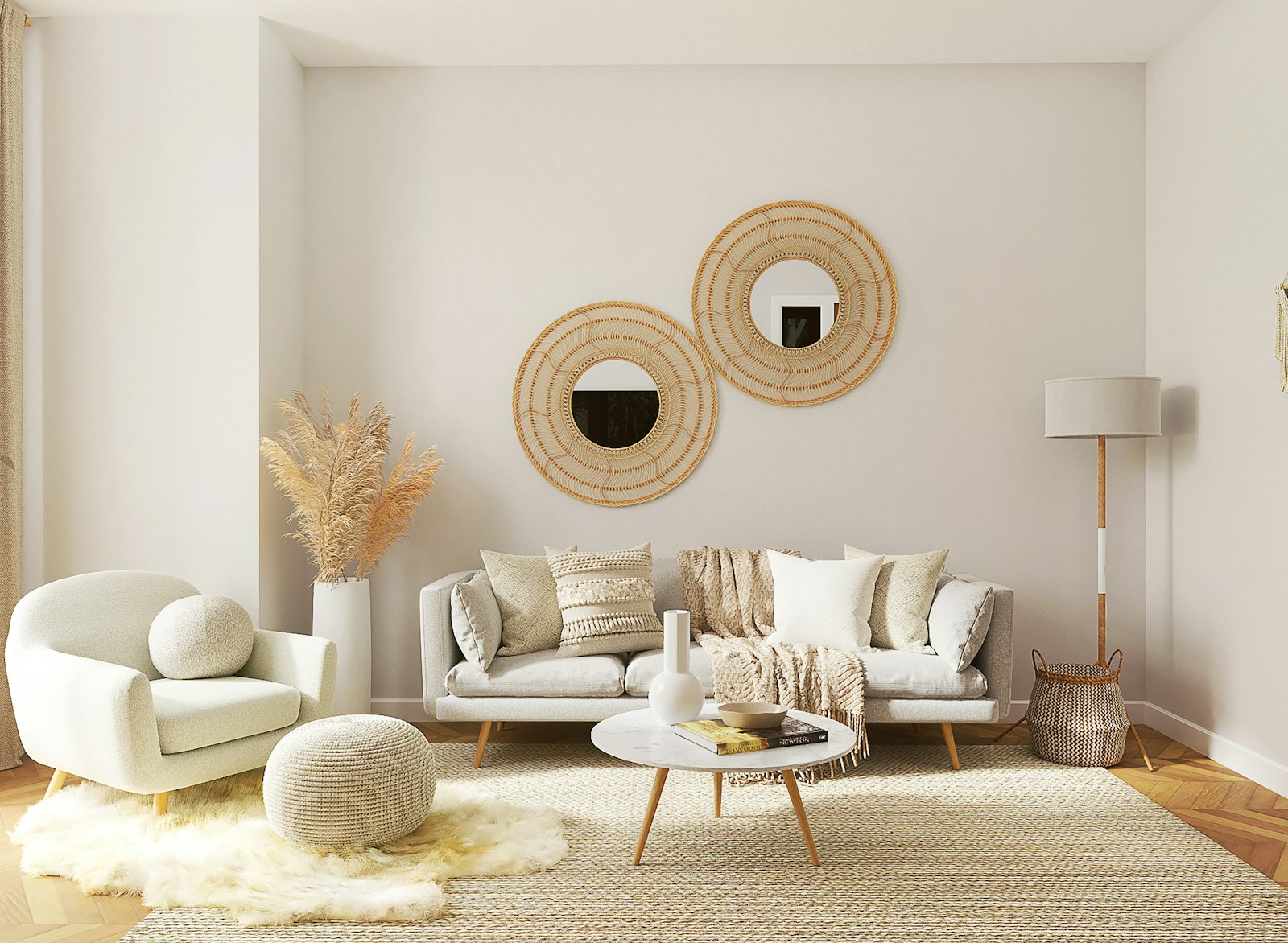
Living small is an art, and the people who do it brilliantly are not just lucky, they have mastered a set of techniques that make compact spaces feel surprisingly generous. The difference between a cramped room and a clever one usually comes down to a handful of advanced moves and avoiding a few classic traps. Here is how to truly master small-space living.
The Mistake: Scaling Everything Down
It seems logical to fill a small room with tiny furniture, but it often backfires, lots of little pieces create visual clutter and make a space feel busier and smaller. The pro move is to use fewer, appropriately scaled pieces. One generous sofa reads calmer than two fussy chairs and a stool.
Master the Illusion of Space
Expert small-space design is full of optical tricks. Mirrors double light and views, vertical lines lift the ceiling, and a monochromatic palette blurs boundaries so the eye cannot tell where the room ends.
Lift and Float
Choose furniture on legs and float shelves or a console so you can see the floor beneath. Visible floor is the single most powerful illusion of greater space.
Demand Double Duty From Everything
In a mastered small home, nothing has just one job. A storage ottoman, a sofa bed, a nesting table, a fold-down desk, each piece earns its footprint twice over. Before buying anything, ask what second purpose it can serve. This discipline is what keeps a small space functional without overcrowding.
Go Vertical With Intention
When floor space runs out, the walls become your best friend. Floor-to-ceiling shelving, tall cabinets, and high-mounted hooks add storage and draw the eye upward. Treating the full height of the room, not just the lower few feet, is a hallmark of expert small-space design.
Zone an Open Space Like a Pro
In a studio, the master move is creating distinct zones without walls. A rug defines the living area, a shelf backs the bed, a change in lighting marks the workspace. These invisible boundaries make one room feel like several purposeful spaces.
Edit Relentlessly
Finally, the people who live well in small spaces are ruthless editors. They own less, but love everything they own. Regular, honest editing is the ongoing habit that keeps a compact home feeling open rather than overstuffed.
Conclusion
Mastering small-space living means scaling up rather than down, using illusions of space, demanding double duty, going vertical, zoning cleverly, and editing relentlessly. With these techniques, even the tiniest home can feel open and intentional. When you are ready to find the multifunctional, space-smart pieces that make it work, explore our curated collection at Little-Chapter.com.