

How to Master Minimalist living room design
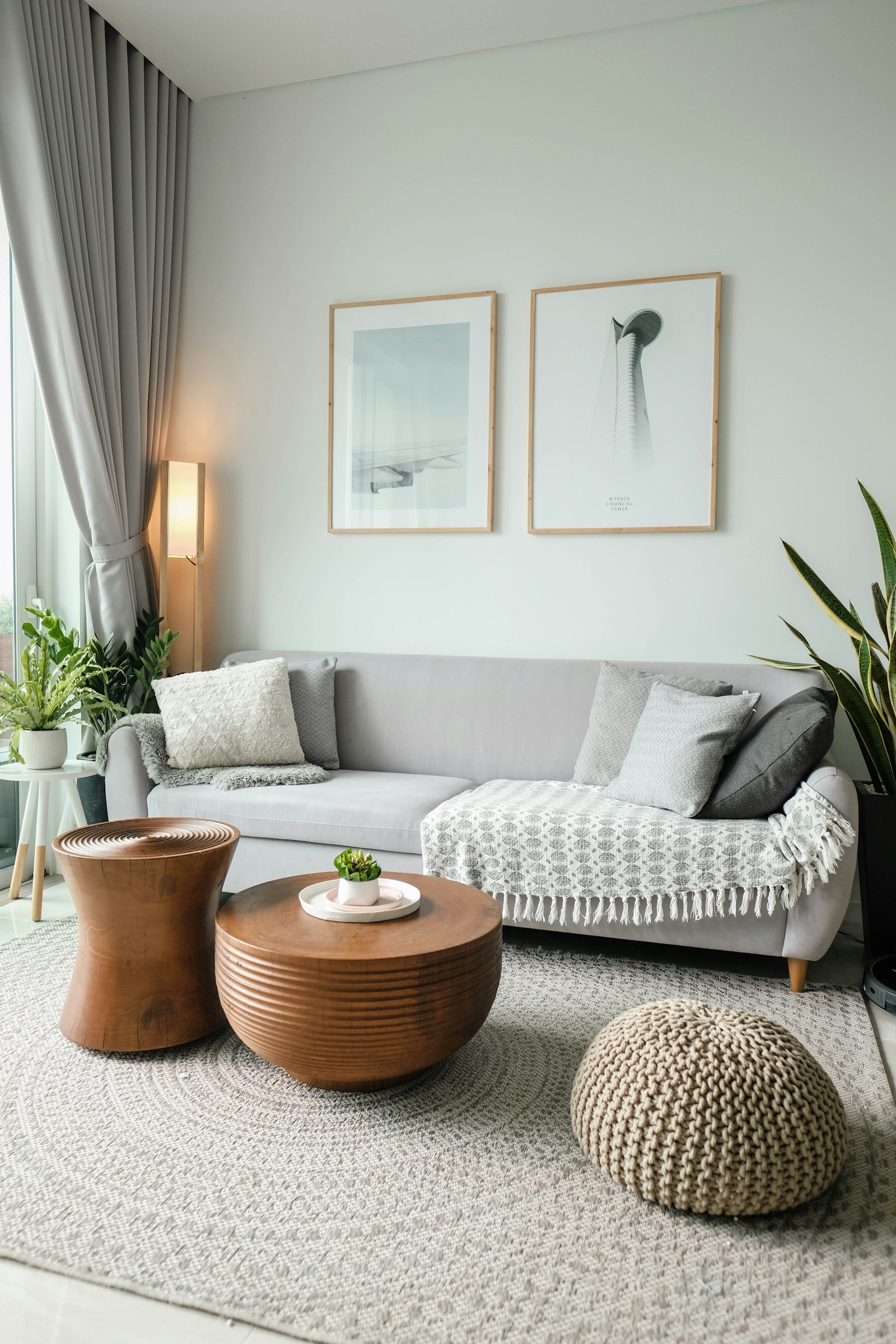
Most people who try minimalism end up with a room that feels less calm and more cold, and then quietly give up. The truth is that mastering a minimalist living room is less about removing things and more about doing a few things exceptionally well. Once you understand the common pitfalls and the techniques designers use to avoid them, a warm, serene, minimal room becomes surprisingly achievable. Let us go deeper.
The Biggest Mistake: Confusing Empty With Calm
An empty room is not automatically a calm one. Strip away too much and a space feels sparse and unwelcoming, the very opposite of the goal. Mastery means knowing the difference between editing and erasing. Keep the pieces that bring comfort and meaning, and let emptiness serve them rather than replace them.
Master the Art of the Single Statement
In a pared-back room, one bold element carries enormous weight. A single sculptural chair, a large piece of art, or a beautiful light fixture becomes the focal point precisely because it is not competing with clutter.
Let One Thing Sing
Choose your hero piece deliberately and build the calm around it. This is how minimalist rooms feel intentional rather than unfinished.
Get Serious About Hidden Storage
The minimalist look depends on clear surfaces, and clear surfaces depend on excellent storage. The professionals never simply have less stuff on show; they have somewhere thoughtful for everything to go. Closed cabinets, storage benches, and concealed solutions are what let a room stay effortlessly serene day after day.
Refine Your Palette to the Last Detail
In a busy room, a stray color goes unnoticed. In a minimalist one, every tone matters. Master decorators tighten the palette until everything harmonizes, then add interest through texture and material rather than contrast. Linen, wood, wool, and stone do the work that color does elsewhere.
Treat Negative Space as a Design Element
Advanced minimalism uses empty space deliberately, the way a composer uses silence. The gaps around your furniture are not accidental; they are framing your favorite pieces and giving the eye room to rest. Resist filling them, and the whole room gains a quiet confidence.
Avoid the Showroom Trap
The final mistake is a room so perfect it feels impersonal. Master minimalists always leave room for life, a few beloved books, one plant, a soft throw, so the space breathes and feels lived-in. Soul is what separates a home from a showroom.
Conclusion
Mastering minimalist design means editing with intention, choosing one statement, hiding storage well, refining your palette, and honoring negative space, all without losing warmth. Get these right and your living room becomes a true retreat. When you are ready to find the considered, beautifully made pieces that anchor a minimalist room, explore our curated collection at Little-Chapter.com.