

How to Master Japandi interior philosophy
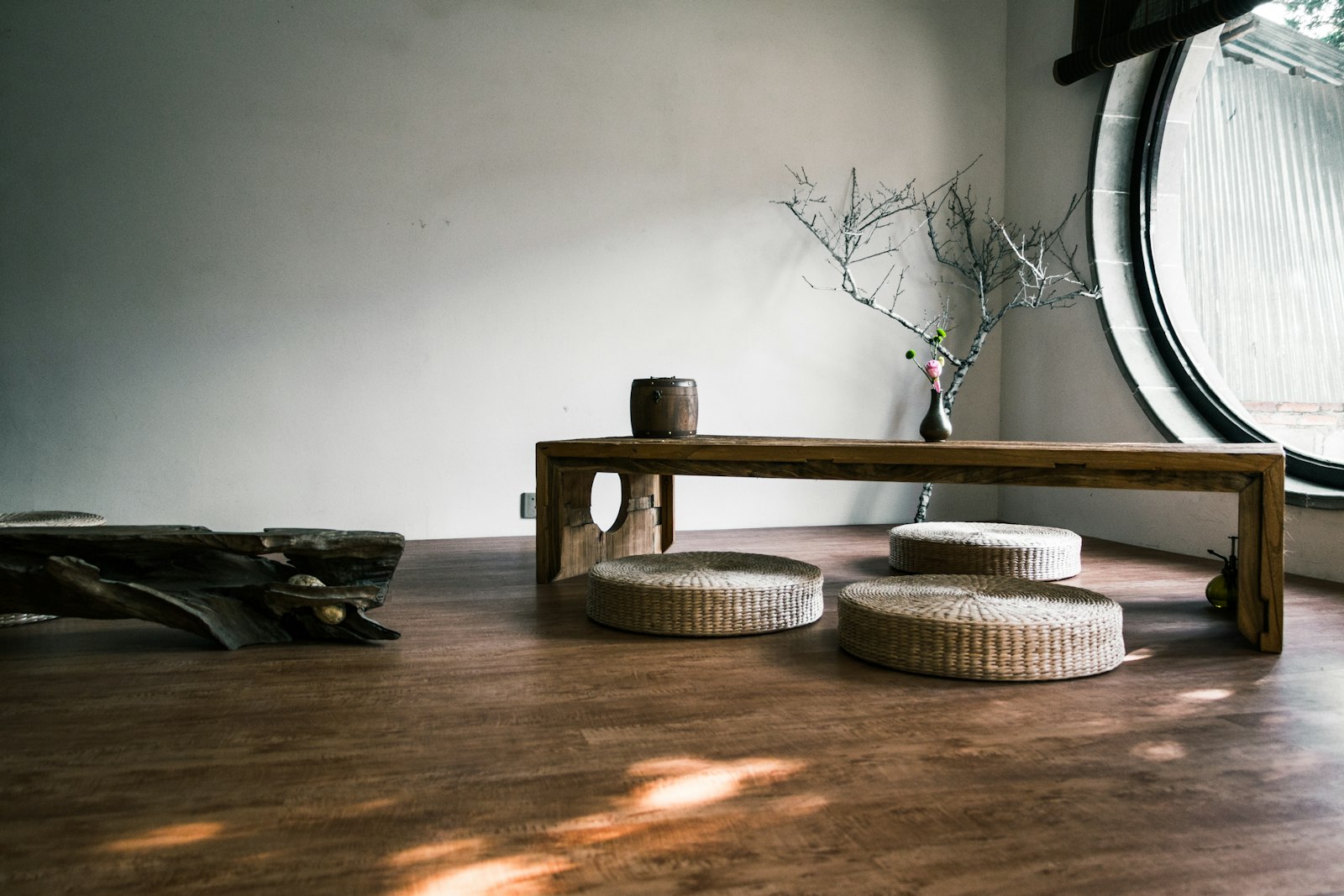
Japandi is often reduced to a color palette, beige, wood, a single branch in a vase, but mastering it goes far deeper. The style is a genuine philosophy about balance: between Japanese rigor and Scandinavian warmth, between emptiness and comfort, between perfection and the beauty of age. Get that balance right and a Japandi home feels profoundly calming. Here is how to move beyond the surface.
The Mistake: Copying the Look, Missing the Feeling
Many Japandi rooms assemble all the right objects yet feel lifeless, because they imitate the aesthetic without the philosophy. The fix is to design for serenity and intention rather than a checklist. Ask whether each choice brings calm and purpose, not just whether it looks the part.
Master Wabi-Sabi Imperfection
Central to Japandi is wabi-sabi, the appreciation of the imperfect and the weathered. This is what keeps the minimalism human.
Celebrate the Handmade
Choose a ceramic with an uneven glaze, a wooden table that will patina, a textile with a slub. These imperfect details give the room soul and warmth that flawless, machine-made objects never can.
Balance Light and Shadow
Where Scandinavian design chases brightness, Japanese tradition honors gentle shadow. Masters of Japandi let some corners stay soft and dim, layering warm light rather than flooding the room. This interplay of light and dark gives the space its meditative depth.
Practice True Editing
Japandi is minimal, but its emptiness is purposeful. The skill is keeping only what is useful or genuinely beautiful and arranging it with generous space. Each object should be able to breathe. This disciplined editing, rather than mere tidying, is what creates the signature calm.
Choose Low, Grounded Forms
Furniture in a Japandi room tends to sit low and close to the floor, echoing Japanese tradition and creating a grounded, restful feeling. Clean lines and solid natural materials reinforce the sense of stability. Avoid anything ornate or visually busy that disrupts the quiet.
Connect to Nature Constantly
The philosophy is rooted in the natural world. A single branch, a simple plant, natural light, and organic materials keep the room alive and grounded. This ongoing connection to nature is the thread that ties the whole philosophy together.
Conclusion
Mastering Japandi means embracing the philosophy, not just the palette: honor imperfection, balance light and shadow, edit with intention, ground the room, and stay connected to nature. The reward is a home that feels like a deep breath. When you are ready to find the handcrafted, natural pieces that embody this spirit, explore our curated collection at Little-Chapter.com.