

How to Master Curtain and drapery guide
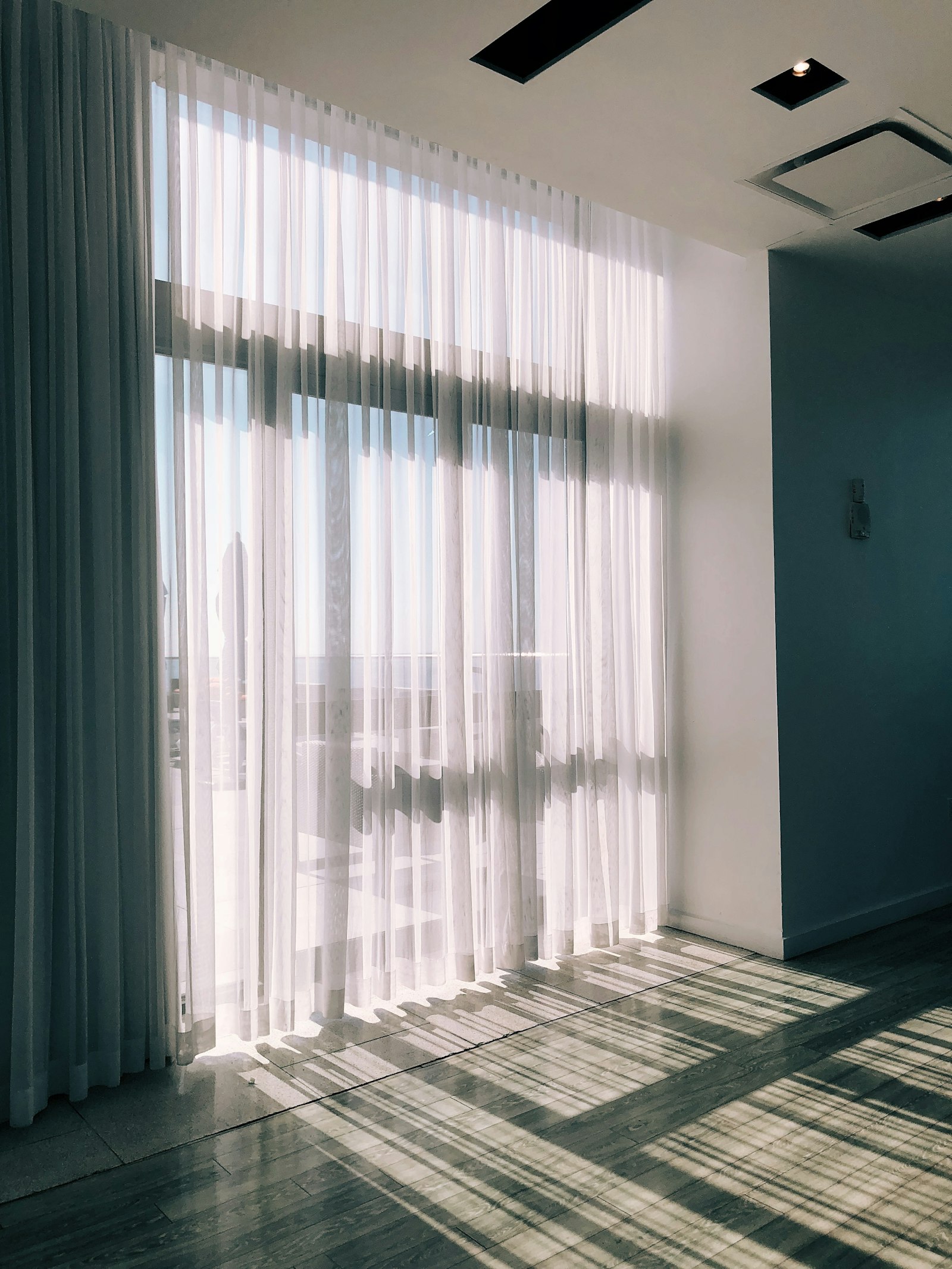
Curtains are quietly one of the most powerful elements in a room, and one of the easiest to get wrong. The right drapery makes windows look grander, ceilings taller, and a whole room more finished; the wrong drapery shrinks a window and cheapens everything around it. The good news is that mastering curtains comes down to a few precise measurements and choices the professionals never skip. Here is the complete guide.
The Mistake: Hanging Too Low and Too Narrow
The most common curtain error is mounting the rod right on top of the window frame and stopping the panels at its edges. This shrinks the window and chops the wall. The expert rule is to hang high and wide: mount the rod near the ceiling and extend it well beyond the frame on each side. This makes windows feel larger and rooms feel taller instantly.
This single correction transforms more rooms than almost any other window-treatment fix.
Master the Right Length
Length is where amateur and professional drapery part ways. Curtains should reach the floor, never float awkwardly above it.
Choose Your Finish
Decide between a crisp look that just kisses the floor, a slight break for a relaxed feel, or a generous puddle for romance. Too-short curtains are the fastest way to make a room look unfinished.
Understand Fabric Weight
Fabric sets both mood and function. Light linens and sheers filter sunlight and keep a room airy, while heavier weaves like velvet add drama, insulation, and better light blocking. Master decorators choose fabric based on what each room needs, privacy, warmth, softness, rather than looks alone.
Build in Fullness
Skimpy, flat panels are a giveaway of an amateur job. For a rich, gathered look, your curtains should total roughly two to two-and-a-half times the width of the window, so they fall in generous folds even when closed. This fullness is what separates designer drapery from an afterthought.
Layer for Flexibility
The professionals layer treatments for the best of every world: sheers for daytime softness paired with heavier curtains or a blind for nighttime privacy and darkness. This combination lets you fine-tune light and mood throughout the day while adding a beautiful sense of depth at the window.
Coordinate Without Matching
Curtains should relate to the room without matching everything exactly. Pick up a tone from your palette and choose a fabric that complements your other textures. A subtly contrasting curtain often looks more sophisticated than one that disappears into the wall, a final touch of the trained eye.
Conclusion
Mastering curtains means hanging high and wide, getting the length right, understanding fabric weight, building in fullness, layering for flexibility, and coordinating without matching. These precise moves make windows look grander and rooms feel complete. When you are ready to find drapery and textiles to frame your windows beautifully, explore our curated collection at Little-Chapter.com.