

How to Master Children's room decor ideas
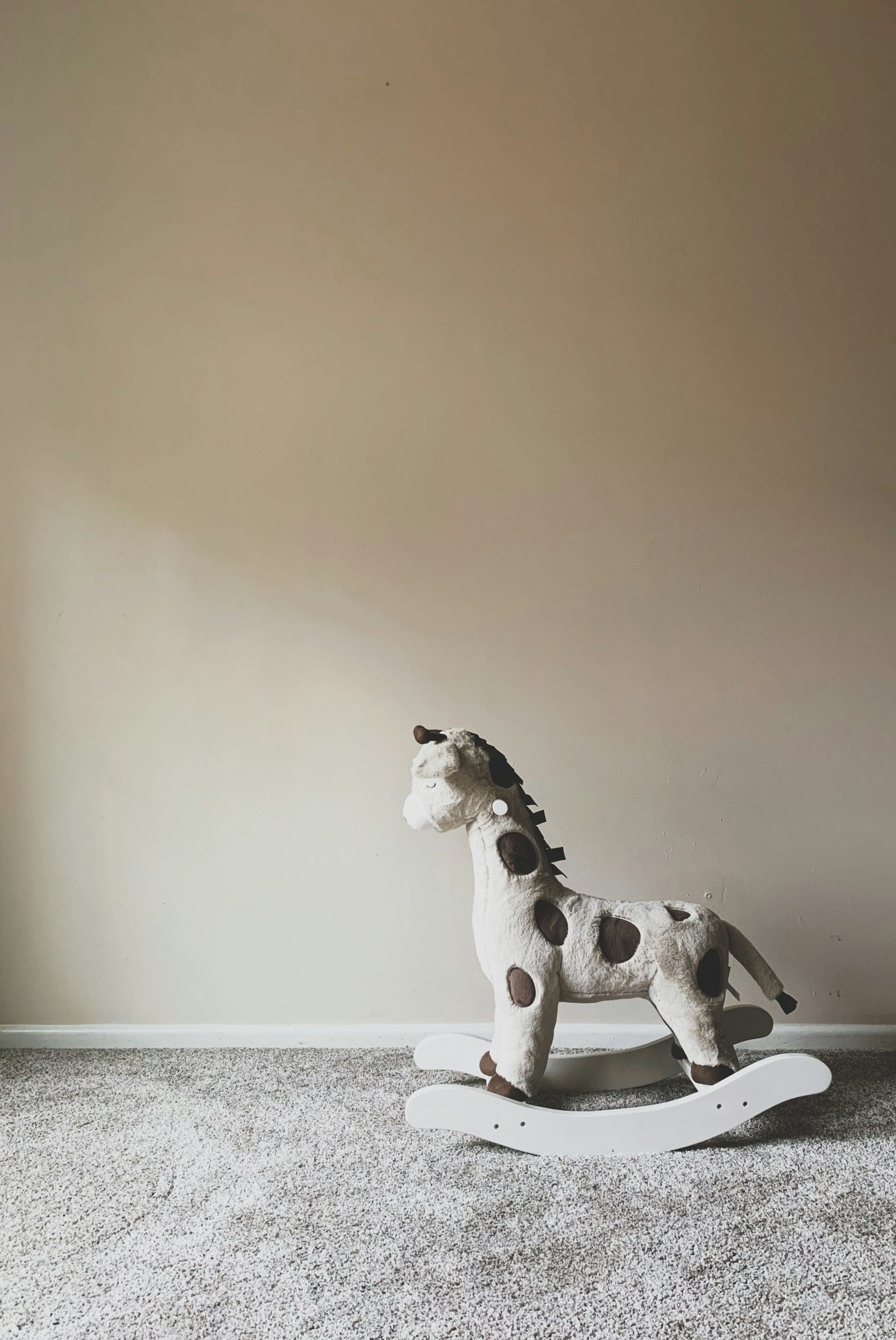
Designing a child's room is one of the trickiest jobs in the home. It must be playful enough to spark imagination, calm enough for rest, practical enough to survive daily life, and flexible enough to grow with a fast-changing little person. Most rooms nail one of these and fail the others. Mastering the children's room means balancing all four at once. Here is how the professionals pull it off.
The Mistake: Designing for Today Only
The most common error is decorating around a current obsession or a bright theme that a child will outgrow within a year or two. The expert approach builds a flexible, longer-lasting foundation and lets the fleeting interests live in easily swapped accessories. This way the room evolves without a costly overhaul every time tastes change.
Think of the big, expensive elements as the timeless base and the cheap, changeable details as where the personality lives.
Master the Calm, Flexible Base
Resist the urge to drench everything in primary colors. A softer, more neutral foundation ages far better.
Save Color for Accents
Keep walls and large furniture calm, then bring the fun through bedding, art, and accessories that are simple and cheap to change as your child grows.
Make Storage Child-Sized
The secret to a tidy kids' room is storage a child can actually use. Low, open bins, labeled baskets, and reachable shelves turn cleanup into something manageable and even fun. Keeping everyday toys and books within their reach builds independence and keeps the daily chaos contained.
Create Activity Zones
A child's room juggles sleeping, playing, reading, and creating. Gently define an area for each, a cozy bed corner, a soft rug for play, a small desk, a book nook. Clear zones help children understand how to use the space and naturally keep it more organized throughout the day.
Prioritize Safety and Durability
With little ones, practicality is non-negotiable. Anchor tall furniture to the wall, choose rounded edges, and pick washable, hardwearing fabrics that survive spills and adventures. Durable, easy-clean choices keep the room looking good and give you genuine peace of mind.
Involve Your Child
The finishing touch is letting your child help shape a few choices, a color, a piece of art, a cherished detail. A room they helped create feels truly theirs, which means they will love it more and, often, respect and tidy it more too. A dedicated reading corner is a wonderful final addition that nurtures a lifelong love of books.
Conclusion
Mastering a children's room means designing for the future, building a calm flexible base, sizing storage for little hands, creating activity zones, prioritizing safety, and involving your child. The result is a space that delights them and pleases you. When you are ready to find the storage, textiles, and charming accents to finish it, explore our curated collection at Little-Chapter.com.