

Designing with Japandi: The Essential Elements of This Serene Blended Style
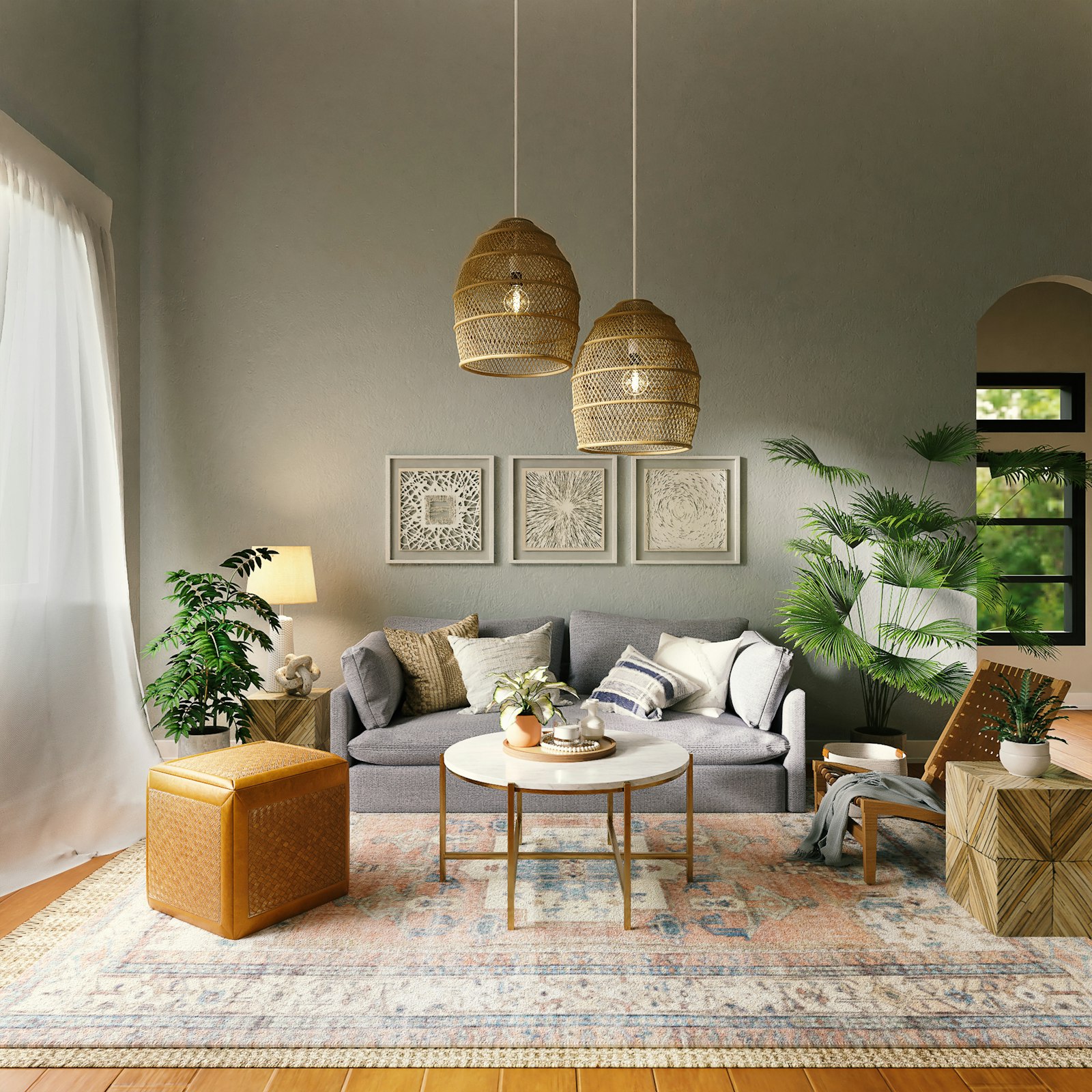
Japandi is not a style that can be reduced to a checklist of items to purchase or a palette of colors to apply. It is, at its best, a way of thinking about space and objects that draws on two of the most philosophically sophisticated design traditions in the world: Japanese and Scandinavian. Understanding what each tradition contributes, how they complement each other, and where they diverge is the key to designing Japandi spaces that are genuinely authentic rather than merely the combination of a few rattan pieces and some neutral tones.
The Japanese contribution to Japandi is primarily philosophical: the wabi-sabi embrace of imperfection and impermanence, the concept of ma (meaningful empty space), the emphasis on material honesty and craft quality, and the understanding that true luxury lies in the quality of the ordinary object rather than in conspicuous display. The Scandinavian contribution is equally philosophical: the commitment to democratic design (beautiful things for everyone), the integration of hygge (coziness and well-being), and the insistence that function and beauty are inseparable. Together, these traditions produce a design philosophy of extraordinary depth and genuine livability.
The Japandi Material Palette
The materials of Japandi interiors are always natural, always honest, and always chosen for their inherent qualities rather than their simulated approximation of something else. Solid wood in the cooler, lighter tones favored in Scandinavia — oak, ash, birch — combined with the darker, more dramatic woods associated with Japanese interiors — smoked oak, walnut, dark bamboo — creates a palette of warm, varied naturals that is both calming and visually rich.
Stone, clay, and ceramic materials appear throughout the Japandi interior in forms that celebrate their natural characteristics: a limestone floor with its subtle variation in color and texture, hand-thrown ceramic vessels with the marks of making visible in their surfaces, a concrete or stone basin with its honest, weighty materiality. Each of these materials brings a quality of age and naturalness that is fundamental to the Japandi aesthetic, grounding the interior in the material world rather than in the world of manufactured surfaces and simulated finishes.
Furniture Design: Low, Simple, and Made Well
Japandi furniture tends toward simple, architecturally precise forms with a quality of craftsmanship that is visible in the details: precise joinery, carefully chosen proportions, surfaces that show the grain and quality of their material. The influence of Japanese furniture design — with its tradition of low, floor-level living and its emphasis on the quality of the single, well-made object — is visible in the low profile of many Japandi pieces: platform beds, low sofas, coffee tables that sit close to the floor.
The Scandinavian influence is visible in the warmth that is maintained even within restraint: a sheepskin throw on a simple wooden chair, a linen cushion on a minimal sofa, a small plant on an otherwise clear surface. These small additions of warmth and organic life prevent the Japandi interior from feeling cold or sterile, maintaining the quality of genuine comfort that distinguishes Nordic-influenced spaces from the sometimes ascetic quality of pure Japanese minimalism.
The Japandi Color Palette
Japandi colors are drawn from the natural world and are characterized by their warmth, their subtlety, and their relationship with the natural materials that populate the interior. Warm whites and creams, the various greys of stone and concrete, the pale gold of natural linen, the warm brown-green of aged bamboo, the soft sage of dried botanicals — these are the primary colors of the Japandi palette, and they share a quality of organic origin that gives them an inherent harmony.
Accents in the Japandi palette tend toward the deep and the warm: charcoal, warm black, forest green, terracotta, deep sage. Used sparingly — in a single cushion, a ceramic object, a framed print — these accents give the pale ground palette a quality of definition and depth without introducing the visual complexity that would undermine the essential calm of the Japandi interior. The discipline is to use very little of the accent and to use it consistently, allowing a small amount of color to have a disproportionately large effect in the otherwise restrained environment. Explore our curated collection at Little-Chapter.com for Japandi-inspired furniture, ceramics, and natural textiles that bring the serene philosophy of this blended style into your home.