

Art Deco Revival in Modern Homes: Glamour Meets Contemporary Style
Art Deco is one of those design movements that never entirely disappears. It withdraws from fashion periodically, retreating into the background of design culture, only to resurface with renewed energy and relevance when the moment is right. The current Art Deco revival reflects a broader cultural appetite for beauty, craftsmanship, and material luxury — for design that has warmth and presence and genuine visual richness — that contemporary minimalism sometimes struggles to satisfy. In a design landscape that has been dominated for years by restraint and reduction, the glamour and geometric exuberance of Art Deco offers a thrilling and welcome alternative.
Art Deco emerged in the 1920s and 1930s as a response to both the ornamental excess of Art Nouveau and the utopian austerity of early Modernism. It synthesized these opposing tendencies into a style that was simultaneously modern and luxurious, geometric and decorative, rational and romantic. The result was a design movement of extraordinary visual richness and equally extraordinary flexibility — one that expressed itself in architecture, furniture, jewellery, graphic design, and cinema with equal confidence and originality.
The Essential Elements of Art Deco
The visual vocabulary of Art Deco is immediately recognizable: strong geometric forms, often with a boldness and symmetry that borders on the monumental. Sunburst and fan motifs. Chevron and zigzag patterns. Stylized naturalistic forms — flowers, animals, human figures — reduced to their geometric essences. These patterns appear on every surface and in every medium, from the architectural facades of skyscrapers to the inlaid marquetry of furniture drawer fronts to the woven pile of decorative rugs.
Color in Art Deco interiors tends toward the rich and the bold: deep jewel tones of emerald, sapphire, ruby, and amethyst, combined with the warm luxury of black lacquer, cream, and abundant gold. The palette is not timid, and the willingness to commit to strong, saturated color is one of the defining characteristics that separates genuine Art Deco from merely Art Deco-inspired design. Black and gold is perhaps the most quintessential Art Deco combination, simultaneously glamorous and graphic, formal and energetic.
Materials: Luxury and Craftsmanship
Art Deco design celebrates materials of genuine luxury and the craftsmanship required to work them beautifully. Lacquered wood in deep, saturated colors — black, deep green, rich red — was one of the characteristic materials of the period, often used for furniture and decorative objects with a quality of finish that emphasized the depth and richness of the color. Exotic woods — zebrawood, macassar ebony, rosewood — with their dramatic natural figuring were used in veneered furniture, their patterns treated as decoration in their own right.
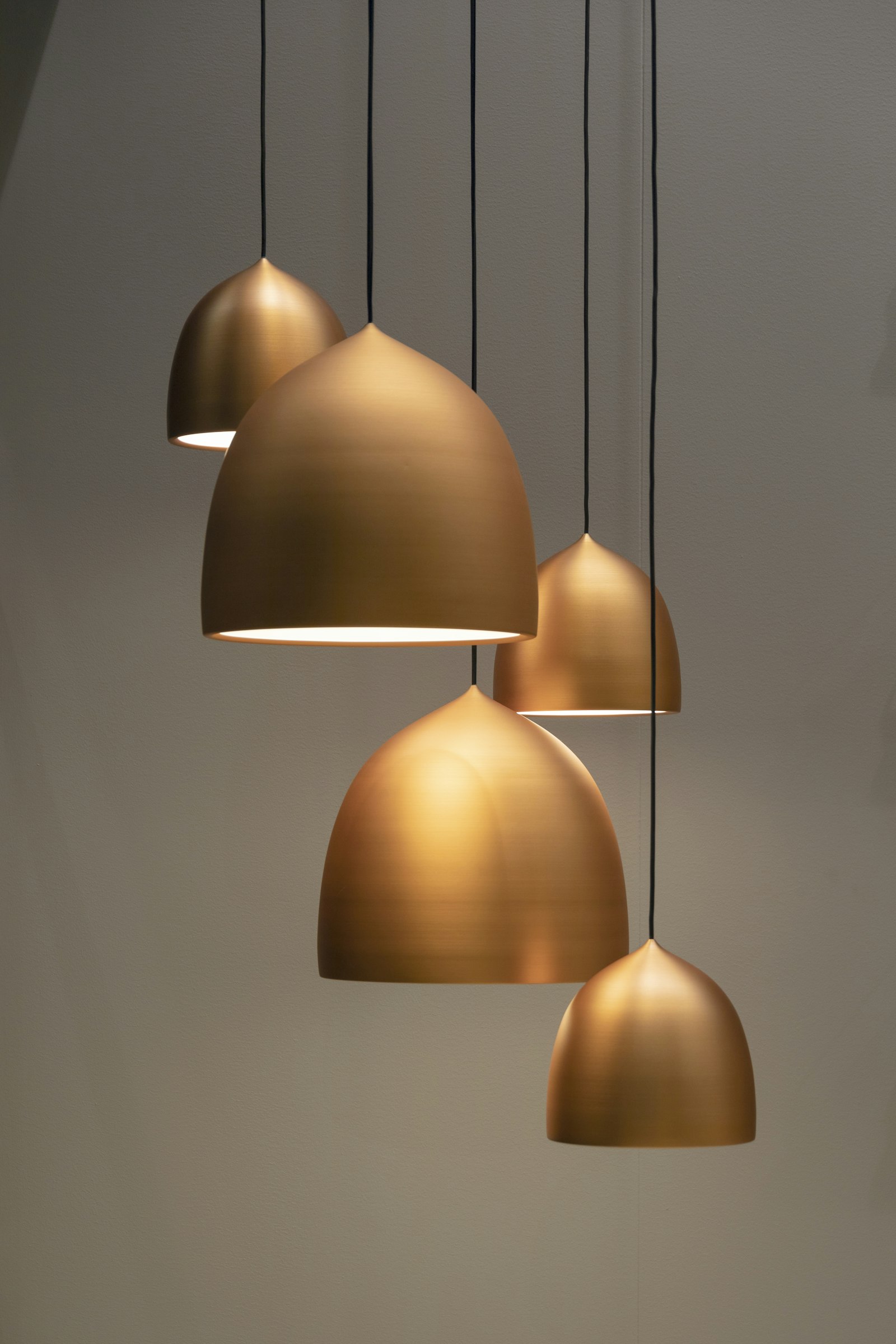
Brass and gold-toned metals are essential to the Art Deco palette, appearing in light fixtures, furniture hardware, picture frames, and decorative objects. Chrome and silver, the cool metallic counterparts to warm gold and brass, provide visual contrast and a quality of sleek, modern precision that balances the warmth of the warmer metals. The combination of warm and cool metals within a single Art Deco interior is characteristic of the style's love of contrast and its confidence in working with visually bold combinations.
Incorporating Art Deco into a Contemporary Interior
The most successful approach to incorporating Art Deco into a contemporary interior is to treat it as one ingredient in a more complex aesthetic recipe rather than attempting a period-faithful recreation. A fully Art Deco room, complete with every period detail, can feel like a museum installation rather than a home. But Art Deco elements — a geometric patterned rug, a brass and glass side table, a piece of period furniture, a bold geometric wallpaper on a single feature wall — integrated into a more contemporary interior bring the glamour and visual richness of the style without the period costuming effect.
The areas where Art Deco elements work best in a contemporary interior are those where visual statement and material richness are most welcome: the dining room, with its natural association with glamour and occasion; the living room, where a beautiful rug, some statement lighting, and a carefully chosen vintage piece can transform the character of the space; the bedroom, where a period headboard or a set of mirrored bedside tables introduce the style with intimate, personal effect. Explore our curated collection at Little-Chapter.com for geometric accessories, brass lighting, and statement pieces that bring Art Deco glamour into the contemporary home.