

A Weekend Guide to Biophilic Design: Simple Projects That Bring Nature Genuinely Into Your Home
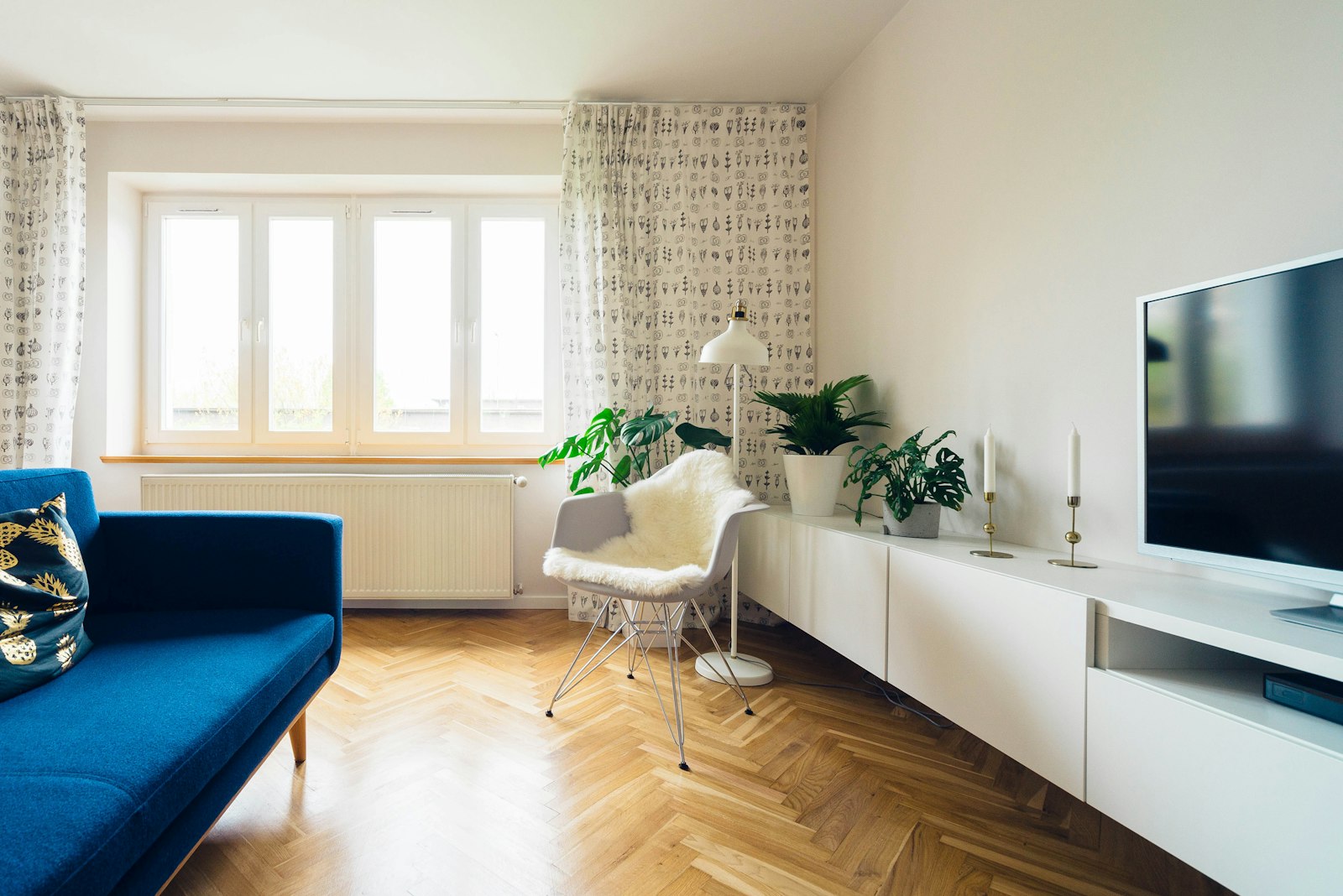
Biophilic design — the design approach that integrates elements of the natural world into the built interior to satisfy the deep human need for connection with living systems — is a principle that can be meaningfully advanced through a single productive weekend without professional help, significant expenditure, or structural renovation. The most important truth about biophilic design for the home decorator on a weekend timeline is that the biology underlying the approach is generous: the human nervous system responds to even modest, unsophisticated natural elements — a single well-placed plant, a view to the garden, the sound of water, natural light on a wood surface — with the measurable physiological benefits that the research on biophilic design has documented. You do not need a green wall or a water feature to benefit from the principle; you need a thoughtful commitment to introducing natural elements wherever they can be accommodated.
The weekend biophilic design project begins with an audit of what is already available in the home — existing plants, natural material objects, views to outdoor spaces, natural light sources — and what interventions would most efficiently introduce additional natural connection. This audit takes perhaps an hour and produces a priority list that structures the remainder of the weekend. The audit question for each room is simple: what would most increase the presence of living, natural, or organic elements in this space, and can that be achieved this weekend?
Day One: Plants, Placement, and Propagation
The first day of the weekend biophilic project is ideally focused on plants: sourcing new plants if appropriate, repotting or relocating existing plants to optimize their placement, and establishing the care routines that will keep them healthy through the seasons. Plant placement for biophilic effect is not a matter of putting plants anywhere they fit but of positioning them where they are most visible from the positions most frequently occupied in each room. The plant behind the sofa cannot be seen from the sofa; the plant on the coffee table in front of the sofa is visible to every person sitting there and introduces a genuine natural focal point into the primary social space of the room.
Propagating existing plants is one of the most satisfying and most budget-friendly actions available on a biophilic weekend: pothos, spider plants, tradescantia, and many succulents can be propagated easily from cuttings placed in water or directly in potting mix, producing new plants within weeks that can populate additional rooms of the house at no cost beyond the potting mix and a vessel to hold them. The process of propagation also deepens the relationship with the existing plants in a way that simply purchasing new ones does not, creating a sense of genuine horticultural engagement that is itself part of the biophilic benefit.
Day Two: Light, Texture, and Natural Materials
The second day of the weekend project focuses on the non-plant dimensions of biophilic design: maximizing the quality and quantity of natural light reaching the interior, introducing additional natural material objects where they are absent, and addressing the acoustic environment if it is dominated by hard, reflective surfaces that create a quality of unnatural resonance quite different from the acoustic character of natural environments. Natural light access can be improved significantly without structural work simply by removing heavy window dressings and replacing them with lighter alternatives, cleaning windows that have accumulated film, and repositioning furniture that blocks light paths from windows into the room.
Natural material objects — a wooden bowl, a ceramic vase, a woven basket, a stone or marble tray — introduce the organic irregularity and material warmth that synthetic alternatives cannot provide. The weekend is an ideal occasion to conduct a room-by-room audit of the materials present and to identify where synthetic objects could be replaced with natural alternatives, prioritizing the most prominent surfaces — coffee table, dining table, kitchen counter, bathroom shelf — where natural materials will be most visible and most frequently touched. Explore our curated collection at Little-Chapter.com for plant pots, natural fiber baskets, wooden vessels, ceramic accessories, and other natural material objects that advance the biophilic design of your home one beautiful object at a time.