

Vintage Furniture Upcycling: Giving Old Pieces a Beautiful New Life
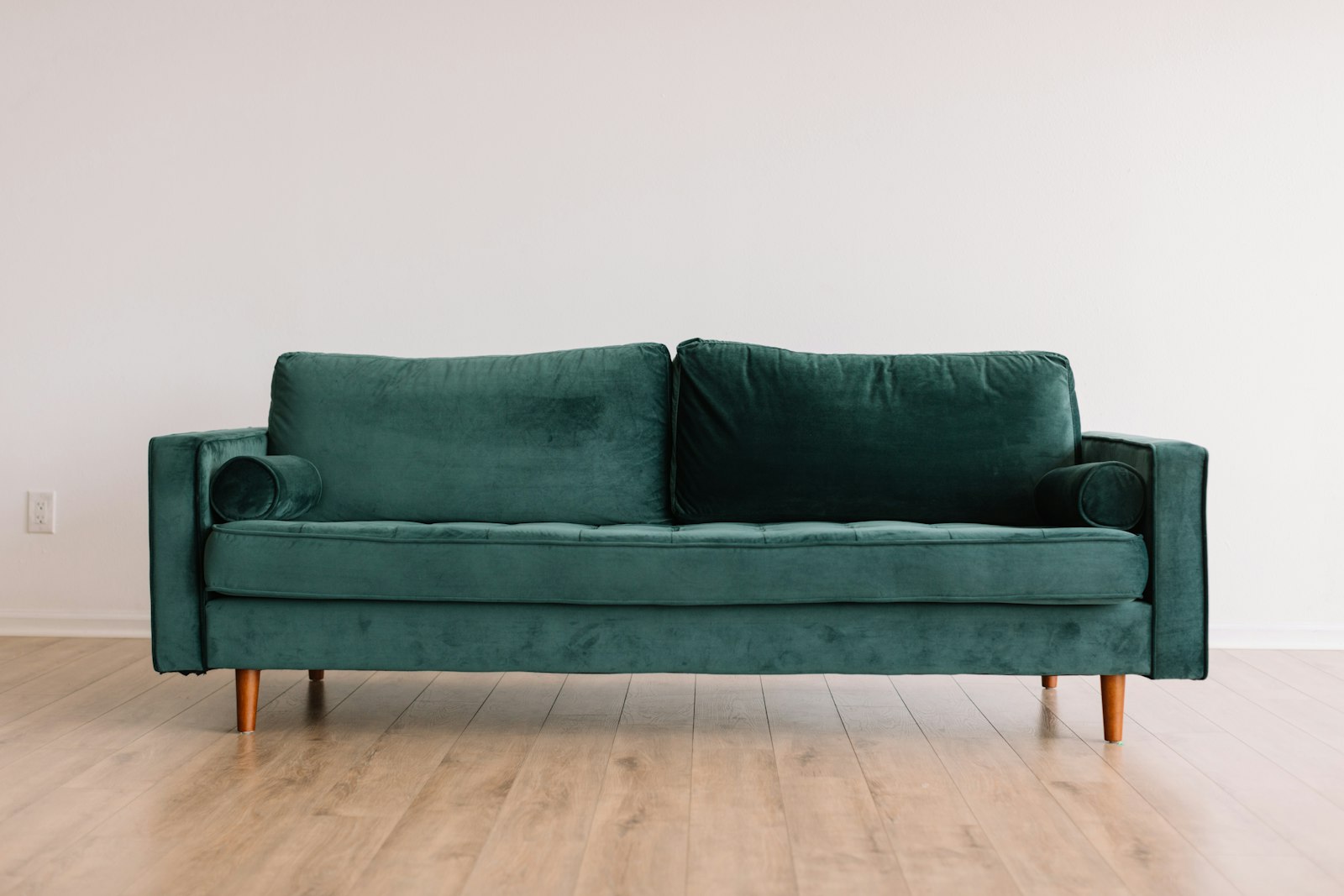
Vintage furniture upcycling sits at the intersection of sustainability, creativity, and genuine design intelligence. When you take a piece of furniture that has outlived its original context — that has been discarded, overlooked, or simply left behind by changing tastes — and give it a new purpose through thoughtful transformation, you are doing something that is simultaneously practical and meaningful. You are keeping a piece out of landfill, reducing the demand for new production, and often ending up with something more beautiful, more characterful, and more personal than anything you could buy new.
The appeal of vintage furniture in contemporary interiors goes beyond the environmental argument. Older pieces, made at a time when solid wood construction was the norm rather than the exception, have a quality of material and making that is genuinely difficult to replicate in modern mass production. The weight of a solid wood drawer, the patina of aged brass hardware, the slight irregularities of hand-crafted joinery — these qualities give vintage furniture a presence and a character that new furniture often lacks, and they make the upcycled piece something that will improve rather than deteriorate with time.
Finding the Right Piece: What to Look For
Successful vintage furniture upcycling begins with finding the right piece — one that has good bones even if its current condition is poor. Good bones means solid construction (drawers that run smoothly, joints that are tight or can be tightened, surfaces that are structurally sound even if cosmetically damaged), good proportions (a piece that is genuinely well-designed in its basic form, not just dated in its surface treatment), and the right scale for its intended use in your space.
Second-hand shops, estate sales, antique markets, online marketplaces, and even curbside collection days are all excellent sources of vintage furniture with upcycling potential. The pieces that offer the best value are often those with cosmetic damage — worn paint, scratched veneer, outdated hardware — that discourages other buyers but that you know you can address. Water damage and structural damage are more serious concerns and require assessment before purchase; some are fixable, others are not.
Paint: The Single Most Transformative Tool
Paint is the most accessible and most dramatically transformative tool in the upcycler's toolkit. A coat of paint can take a piece from dated to contemporary, from heavy to light, from one style to another entirely. The key to beautiful painted furniture is preparation: sanding and priming correctly, using the right paint for the surface and the use case, and applying in thin, even coats rather than thick ones that sag, drip, and look amateur regardless of the color chosen.
Chalk-based paints have become popular for furniture upcycling because they adhere well to most surfaces without priming and give a beautiful matte finish that can be waxed and buffed to a soft sheen. Eggshell and satin oil-based paints are more durable for high-use pieces like dining chairs and dressers. The choice of color is where the creative decision lies, and it is worth spending real time with paint samples before committing: a beautiful vintage sideboard painted in the right deep green or warm terracotta can be genuinely extraordinary, while the same piece in the wrong color is merely updated.
Hardware and Details: The Finishing Touches
Replacing hardware — drawer pulls, knobs, hinges, and escutcheons — is one of the highest-impact, lowest-effort transformations you can make to a piece of vintage furniture. Original hardware in poor condition can be cleaned, polished, or painted to restore it. Original hardware in good condition is often worth keeping, as its age and patina contribute to the authentic character of the piece. New hardware in a style and finish that complements the updated piece can modernize without erasing the vintage quality that makes the piece interesting.
Upholstery is another area of significant transformation potential, particularly for seating. Dining chair seats, headboards, ottomans, and bench cushions can all be re-upholstered with relative ease using a staple gun and good fabric. The fabric choice is crucial: a beautiful vintage chair newly upholstered in a mediocre fabric remains a mediocre chair, while the same chair in a beautiful linen or velvet becomes something special. Invest in the fabric you genuinely love rather than settling for what is convenient or cheap.
Mixing Vintage with Contemporary
The art of mixing vintage upcycled pieces with contemporary furniture and interiors is one of the defining skills of the modern interior decorator. Vintage pieces rarely look their best displayed in a room full of other vintage pieces; they come alive when they are in dialogue with contemporary elements, when the contrast between old and new makes each more interesting. A beautifully upcycled vintage dresser in a calm, contemporary bedroom. A pair of re-upholstered antique chairs around a modern dining table. A vintage wooden trunk used as a coffee table in a minimal living room. These combinations work because the contrast is intentional and the vintage piece is strong enough to hold its own.
The confidence to mix periods and styles comes with practice, and the key is to develop an eye for what makes pieces work together: a shared palette, a shared quality of material, a complementary scale, or simply a sense that the pieces have been chosen with intelligence and care rather than accumulated by accident. Explore our curated collection at Little-Chapter.com for styling accessories, textiles, and accent pieces that pair beautifully with vintage and upcycled furniture.