

Vintage Furniture Upcycling: Giving Old Pieces a Beautiful New Life
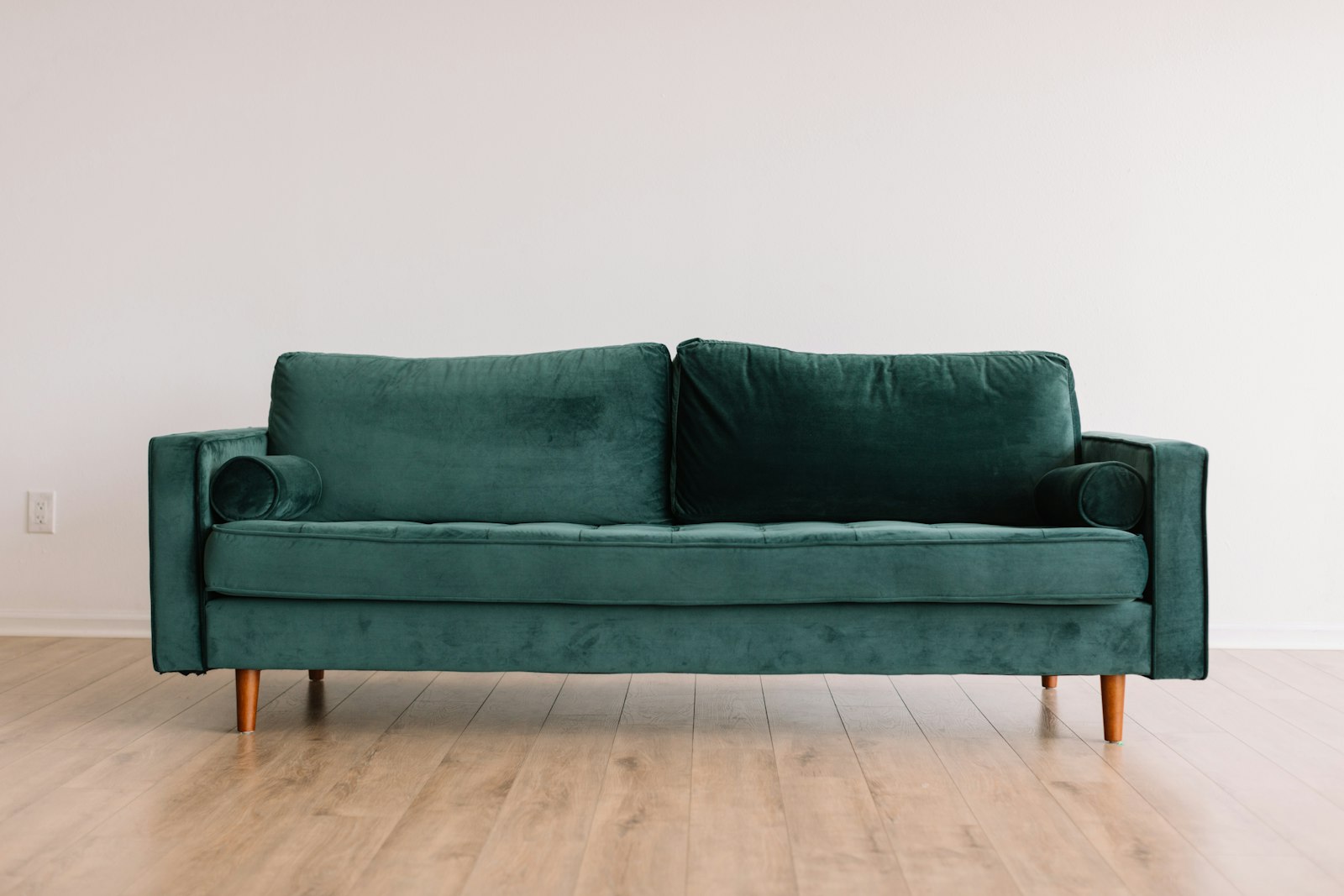
There is a particular satisfaction in finding a piece of furniture with good bones but a rough surface — an old dresser whose drawers still slide smoothly, a solid wood dining chair whose joints are tight but whose finish has dulled with age, a wrought iron garden bench that has sat in a shed for a decade — and understanding that what you are holding is not a problem but a possibility. Vintage furniture upcycling is the practice of recognizing that potential and bringing it to life, and it sits at one of the most rewarding intersections of creativity, sustainability, and home design.
The case for upcycling over buying new has never been stronger. Mass-produced furniture, even at moderate price points, is frequently made from composite materials that off-gas formaldehyde, break down within a few years, and cannot be meaningfully repaired. Solid wood vintage furniture, even pieces that appear to be in poor condition, is often constructed to a standard of quality that modern equivalents rarely match. The joinery is sounder, the materials are more genuine, and the piece, once restored, will outlast any contemporary equivalent by decades.
Finding the Right Pieces
The most important skill in vintage furniture upcycling is learning to assess potential. The piece you are evaluating at a thrift store or estate sale needs to have two things: structural integrity and a form that appeals to you. Surface condition — scratches, worn finish, outdated paint color, ugly hardware — is almost always fixable. Structural problems — broken joints, warped wood, missing load-bearing elements — are considerably more difficult and should give you pause unless you have specific carpentry skills or access to someone who does.
Run your hand along joints and wobble the piece gently. Solid, tight construction is what you are looking for. Open drawers and check that they slide smoothly and that their bases are intact. Look at the overall form with the surface condition mentally stripped away: is this a shape you genuinely find beautiful? Would you love this piece if it were finished in a color or material that suited your home? If the answers are yes, the surface work is almost certainly worth doing.
The best hunting grounds for upcyclable vintage furniture are estate sales, thrift stores, online marketplaces, and flea markets. Estate sales in particular often yield pieces of genuine quality — solid wood furniture from mid-century homes that was made to last a lifetime and has simply aged past its cosmetic prime. Prices at estate sales often reflect the deceased owner's era of purchase rather than the piece's true current value, which means extraordinary finds are genuinely available to patient hunters.
The Essential Toolkit
A basic upcycling toolkit need not be expensive, but it should be complete. Sandpaper in a range of grits from 80 (for heavy material removal) through 120, 180, and 220 (for progressively finer finishing) is the foundation of almost every project. A good quality paintbrush — or several, in different sizes for different applications — makes an enormous difference to the quality of any painted finish. Chalk paint, which adheres to almost any surface without priming and dries to a beautiful matte finish that can be waxed for protection, has democratized furniture painting enormously and is widely available in a beautiful range of colors.
For hardware replacement, a screwdriver and a drill will cover almost every situation. New hardware — pulls, knobs, hinges — is one of the most impactful and least expensive transformations you can make to a piece of vintage furniture. A brass knob where a plastic one was, a ceramic pull where a pressed steel one was, a beautifully shaped bin pull on a chest of drawers that previously had nothing worth noting — hardware changes make a before-and-after that photographs as dramatically as a full repaint.
Painting Techniques for Beautiful Results
The painted finish is the most common and most versatile transformation for vintage furniture, and the range of techniques available spans from simple single-color coverage to complex distressing, color washing, and decorative treatments. For beginners, chalk paint in a single color is the place to start. Sand the surface lightly to remove any gloss, wipe clean, and apply two to three thin coats of chalk paint with a good quality brush. Once dry, seal with a clear wax or a matte furniture sealant. The result is a beautiful, soft, matte surface that makes older wood look intentionally aged and contemporary at the same time.
For more advanced techniques, consider color washing, where a thin, diluted coat of paint is applied over a lighter base coat and partially wiped away while wet to create a translucent, layered effect. Or distressing, where dried chalk paint is sanded at edges and on raised details to reveal the wood or an underlying paint layer beneath, creating an appearance of genuine age. These techniques work best on pieces with interesting profiles — carved edges, turned legs, raised panel fronts — that give the aged effect places to read.
Wood Restoration and Natural Finishes
Not every vintage piece should be painted. Solid wood furniture with beautiful grain, interesting figuring, or historically significant veneer often deserves a natural finish that celebrates rather than conceals the wood. Stripping an old, dark varnish to reveal the natural grain beneath and refinishing with a clear oil, wax, or lightly-tinted wood stain can transform a piece from dark and dated to warm and timeless. This process is more labor-intensive than painting but produces results of extraordinary beauty when the underlying wood is worthy of it.
Danish oil, tung oil, and hard-wax oil finishes are popular choices for natural wood furniture restoration because they penetrate into the wood rather than forming a surface film. They enhance the natural color and figure of the wood while providing good protection against everyday use, and they are easy to spot-repair over time. The resulting finish has a depth and warmth that polyurethane and lacquer finishes cannot match.
Reupholstery: Transforming Soft Furniture
Vintage chairs and sofas with excellent structural frames but worn, outdated, or simply ugly upholstery represent some of the highest-value upcycling opportunities available. A well-made vintage armchair with tightly-strung springs and a solid hardwood frame is, beneath its surface, often a better piece of furniture than anything available new at comparable price points. Reupholstery — recovering the padding and fabric while leaving the structure intact — transforms these pieces into genuinely beautiful, custom pieces that reflect your taste precisely.
Simple drop-in seat cushions on dining chairs are a perfect introduction to upholstery: remove the seat board, strip the old fabric, replace the foam if needed, cover with new fabric, and staple gun in place. More complex projects — fully upholstered armchairs, button-tufted headboards, curved settees — benefit from professional help, but even a partial reupholstery, where the back is retained and only the seat fabric is replaced, makes a significant difference. Explore our curated collection at Little-Chapter.com for beautiful fabrics, paints, hardware, and upcycling supplies that help transform vintage finds into tomorrow's treasured pieces.