

The Perfect Reading Nook Checklist: Everything You Need for Ultimate Reading Comfort
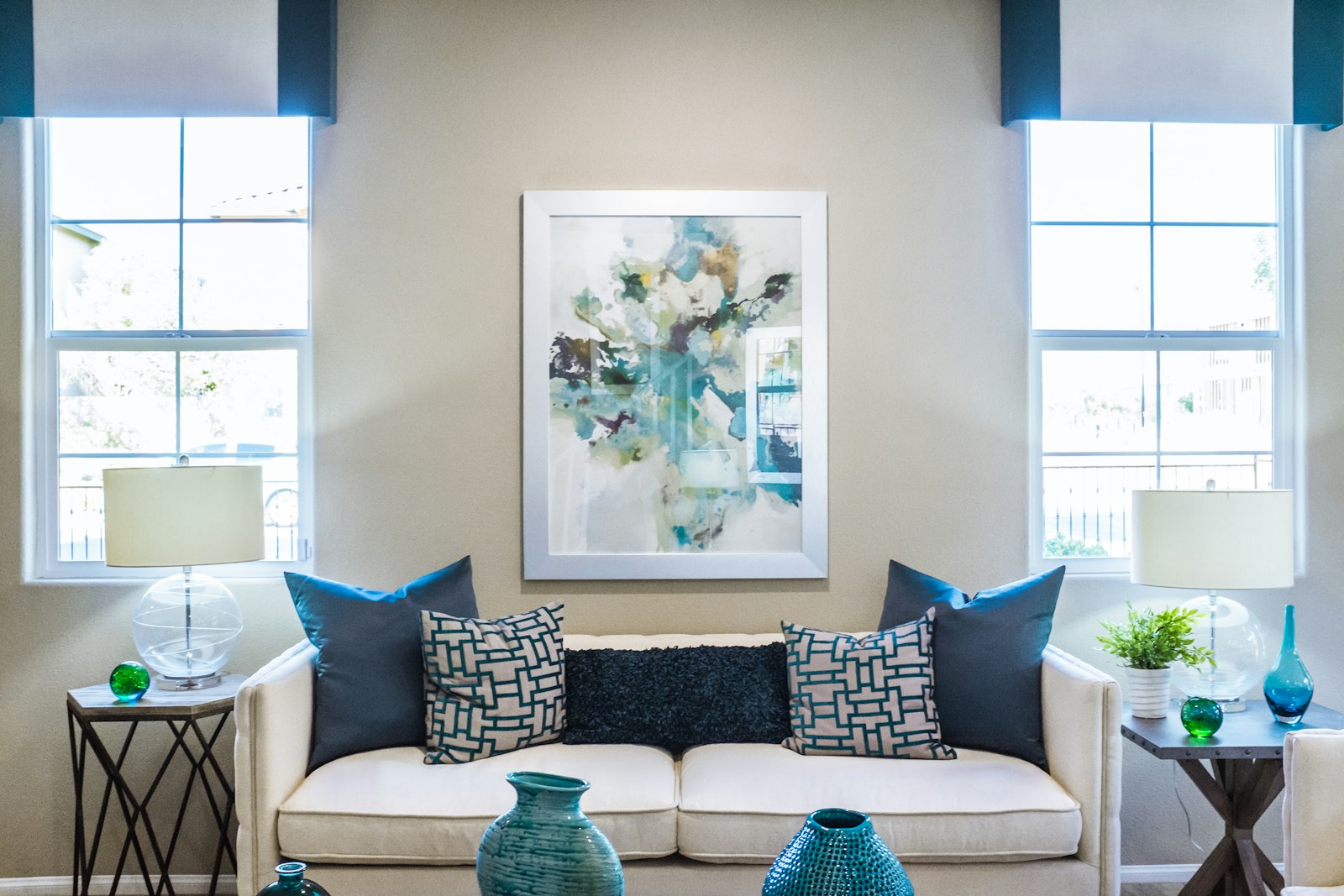
The perfect reading nook is not a matter of taste alone but also a matter of genuine physical and environmental requirements: conditions without which reading for extended periods is uncomfortable, fatiguing, or simply impossible for long. Understanding what these requirements are — and providing them thoughtfully in whatever space is available — is the difference between a reading nook that is genuinely used for hours of pleasurable reading and one that is beautifully designed but rarely actually read in.
This checklist approach to reading nook design is more useful than a purely aesthetic one, because it forces honest engagement with the functional requirements of the space: not how it will look in a photograph but how it will feel to sit in for three hours with a long novel, how the light will hold up as the afternoon progresses, whether the seating truly supports the body in the positions reading actually requires. Meeting the functional requirements is the precondition for the aesthetic success of the reading nook; a beautiful space that is uncomfortable to read in will simply not be read in.
The Chair: Non-Negotiable Comfort Standards
The single most important element of a reading nook is the chair, and its importance cannot be overstated: a reading nook with a genuinely comfortable chair and nothing else will be used; one with a beautiful chair that is genuinely uncomfortable will not be, regardless of how perfect everything else is. The standard of genuine reading comfort is higher than most people initially recognize: a chair that is fine for twenty minutes of casual sitting may be genuinely uncomfortable for three hours of sustained reading, and the test of reading comfort requires sitting in it for that length of time before commitment.
The ideal reading chair is deep enough to allow sitting cross-legged or with legs curled to one side; wide enough to accommodate position changes that reading naturally requires; supportive enough in the lower back to allow upright sitting without fatigue; and equipped with armrests at the right height to support the arms while holding a book without strain. A chair that meets all these requirements is not necessarily expensive, but it is necessarily the result of deliberate selection rather than impulse purchase, and the time invested in finding it is among the best investments the reading nook budget can make.
Lighting: The Technical Requirements
The lighting requirement of a reading nook is specific and non-negotiable: adequate illumination of the book pages without glare, without harsh shadows across the text, and without causing eye strain over extended reading sessions. The standard recommendation for reading light intensity is 500-700 lux at the reading surface, which is significantly brighter than the ambient lighting of most rooms and requires a dedicated reading light rather than reliance on the room's general illumination.
The position of the reading light is as important as its intensity: the light source should be positioned to illuminate the page from behind and to the side of the reader's head (typically over the left shoulder for right-handed readers) rather than from directly in front, which creates glare on the page. A swing-arm lamp attached to the wall beside the chair, or a floor lamp with an adjustable head positioned to the rear and side of the seating, are the two most effective configurations for reading light that meets these requirements.
The Supporting Elements: Temperature, Acoustics, and the Rest
Beyond the chair and the light, the other elements of a genuinely functional reading nook include: a surface at the right height to set down a cup of tea without having to stand up; a throw blanket within easy reach for the temperature drop that comes with stillness during long reading sessions; enough visual privacy or enclosure to create the psychological sense of being apart from the rest of the household; and some provision for the immediate storage of books and reading materials so that the next book is always within reach.
The acoustic environment of the reading nook matters more than most people initially realize: even moderate background noise can interrupt the deep concentration that the best reading requires, and the reading nook positioned in a corner away from the main living areas, or partially enclosed by shelving that absorbs sound as well as providing book storage, will be used more and enjoyed more than one positioned in a high-traffic, high-noise area of the home. Explore our curated collection at Little-Chapter.com for comfortable throws, reading lights, and decorative accessories that complete the perfect reading nook with everything a serious reader actually needs.