

The Nordic Kitchen: How Scandinavian Design Transforms Your Cooking Space
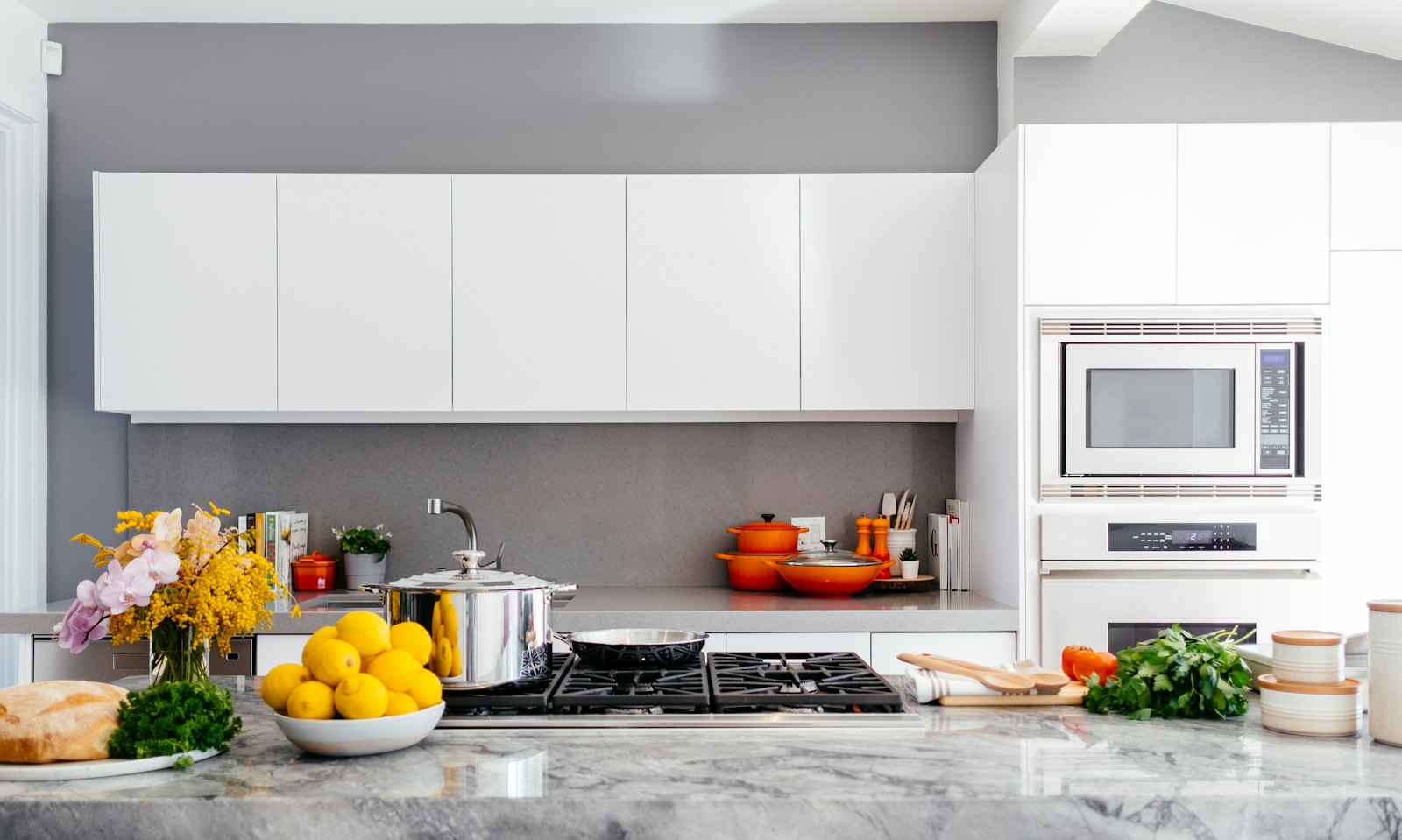
The Nordic kitchen offers a compelling case study in how design philosophy shapes physical space. Unlike decorating approaches that begin with aesthetics — with how something will look — Scandinavian kitchen design begins with how the space will function and works outward from there, allowing the functional requirements to generate the aesthetic rather than imposing an aesthetic over them. The result is a kitchen that looks the way it does because it works the way it does, and this alignment of form and function is the source of its particular beauty.
This distinction matters because it means the Scandinavian kitchen is not primarily a visual style to be applied to any space but a way of thinking about the kitchen that must be understood before it can be authentically translated. Understanding that thinking — why the cabinetry is flat-fronted, why the palette is light, why the worktops are honed rather than polished, why the shelving is open rather than closed — is the first step toward a Nordic kitchen that is genuine rather than merely imitative.
Function First: The Nordic Design Philosophy
The functional logic of the Scandinavian kitchen begins with the acknowledgment that the kitchen is a working room — one in which practical tasks are performed, often under time pressure, and in which everything that is not useful is a liability. This does not mean the Nordic kitchen is austere or cold. It means that every element earns its place, that nothing is included purely for decorative reasons, and that the beauty of the room emerges from the quality and rightness of the functional decisions rather than from decoration applied over them.
This functional logic is why Scandinavian kitchen designers were pioneers in the ergonomic layout principles that now govern kitchen design globally: the work triangle connecting the cooktop, sink, and refrigerator; the continuous counter surface that allows easy movement of ingredients and equipment; the organized storage that keeps everything needed within reach during cooking. These are functional principles, but their application produces the clean, organized, uncluttered quality that is the visual signature of the Nordic kitchen.
The Role of Craft and Materiality
Scandinavian design has a deep tradition of craft — of respect for the skill of making and for the materials that making works with. In the Nordic kitchen, this craft tradition manifests in the quality of the cabinetry joinery, the care taken with the finish of surfaces, and the selection of materials for their inherent qualities rather than their appearance alone. A solid wood countertop is chosen because wood is a pleasure to work on, because it can be sanded and re-oiled when damaged, because it ages in ways that make it more rather than less beautiful. These are the reasoning processes of a craft tradition, not a decorating one.
The hand-thrown ceramic bowls and mugs displayed on open shelves in the Nordic kitchen are another expression of this craft tradition. They are chosen because they are well-made, because they feel right in the hand, because someone skilled made them with care. The fact that they are also beautiful to look at is a consequence of the quality of their making rather than a primary consideration. This is the Nordic understanding of the relationship between utility and beauty: that well-made things are beautiful things, and that beauty in design is inseparable from quality of making and quality of use. Explore our curated collection at Little-Chapter.com for Nordic-inspired kitchen accessories, ceramics, and textiles that bring the spirit of Scandinavian craft into your cooking space.