

The Minimalist Home Edit: What to Keep, Remove, and Replace for a Clutter-Free Life
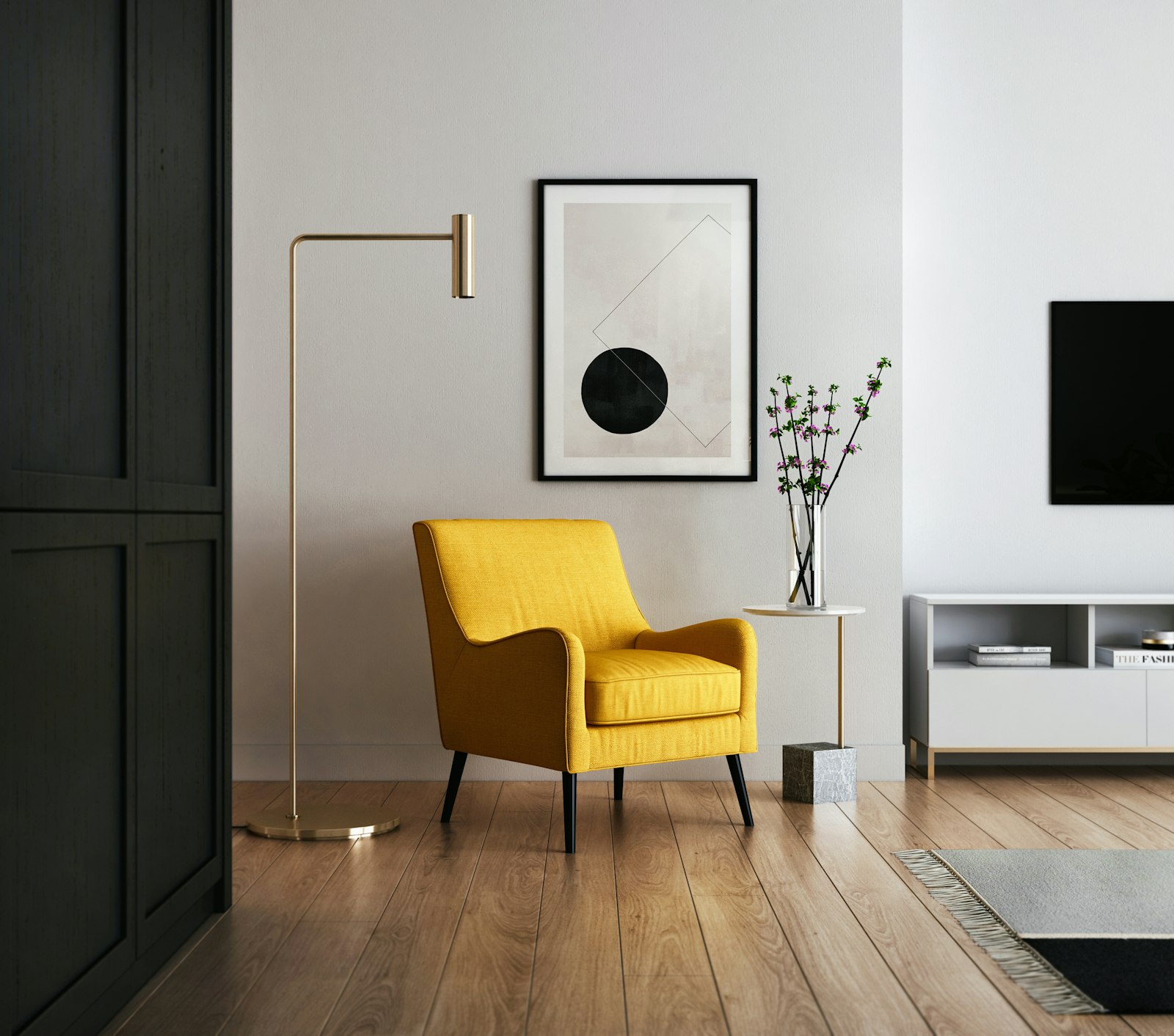
The minimalist home edit is not a one-time event but an ongoing practice of assessment, subtraction, and selective addition that maintains the quality of calm and intentionality that minimalist living promises. Most discussions of minimalism focus on the initial dramatic declutter — the clearing of closets and the donation of unnecessary objects — but the more important and more difficult skill is the maintenance that prevents the gradual re-accumulation of clutter over time. Understanding how objects enter the home, which objects genuinely earn their place, and how to distinguish between what is needed and what is merely accumulated is the intellectual foundation of sustainable minimalist living.
The guiding question of the minimalist home edit is not what can I get rid of? but rather what deserves to stay? This reframing is more than semantic: it shifts the focus from the anxiety of loss to the discipline of curation, from deciding what is dispensable to deciding what is genuinely valued. Objects that survive this test earn their place not because they are difficult to eliminate but because they are genuinely contributing to the quality of life and the quality of the space they occupy.
The Room-by-Room Assessment Process
The most effective home edit proceeds room by room rather than category by category, because rooms have specific functions and the objects within them should be assessed against the requirements of those functions rather than against abstract categories. In the kitchen, the question is which objects are used regularly enough to justify the space they occupy on the counter or in the cabinet. In the bedroom, the question is which objects contribute to rest and which introduce the visual noise that undermines it. In the living room, the question is which objects are genuinely beautiful or meaningful and which are merely familiar.
The room-by-room process begins with a complete clearing of the space: everything off the shelves, out of the cabinets, off the surfaces. This total emptying is temporarily uncomfortable and temporarily disruptive, but it is also temporarily clarifying: an empty room reveals the quality and quantity of its light, the proportions of its walls and floor, and the quality of its fixed elements in a way that a furnished room cannot. The emptying is itself part of the assessment process, because it allows the room to be experienced as a space — as an environment with specific qualities — rather than as a container for its contents.
The Three Questions for Each Object
As each object is considered for return to the room, three questions help clarify whether it belongs: Does it have a specific use in this room that makes it genuinely necessary? Does it bring enough aesthetic beauty to the room to justify the visual space it occupies? Does its presence contribute to the quality of life in this room in a way that I would notice if it were absent? An object that answers yes to at least one of these questions with conviction has earned its place; an object that cannot pass any of the three tests is a candidate for removal regardless of how long it has been there.
The specificity of use matters: an object that is useful in theory but used in practice only once or twice a year does not meet the threshold of genuine necessity. The beauty standard is higher than it might initially seem: the vase that was beautiful when purchased but no longer reads as beautiful among the other objects of the room is not genuinely beautiful in context, even if it would be beautiful in a different setting. The quality-of-life contribution is the most subjective of the three but also the most powerful: an object whose absence would genuinely be noticed and felt has a quality of rightness in the space that transcends both utility and aesthetics.
What to Replace: Upgrading Quality as Quantity Decreases
The minimalist home edit is not simply about subtraction: it is also about replacement of quantity with quality. As the number of objects in a room decreases, the standard for each remaining object rises, because each object is more visible, more noticed, and more directly experienced when it is not surrounded by competitors for attention. The single piece of art on a wall is experienced more fully than the same piece surrounded by other pieces; the single decorative object on a surface is seen more clearly than the same object buried in a collection.
This dynamic encourages a strategy of intentional upgrading: replacing several middling objects with one genuinely excellent one, replacing a collection of ordinary textiles with fewer pieces of genuinely beautiful quality, replacing a shelf of marginally useful objects with a handful of things that are both useful and beautiful. The result is a home that contains less but offers more — more visual clarity, more direct experience of the objects it contains, and more of the quality of life that comes from being surrounded by things that have genuinely earned their place. Explore our curated collection at Little-Chapter.com for beautiful, carefully chosen objects that elevate the spaces they inhabit and meet the minimalist home's high standard for what deserves to stay.