

The Indoor Plant Guide for Non-Green Thumbs: How to Start a Home Plant Collection
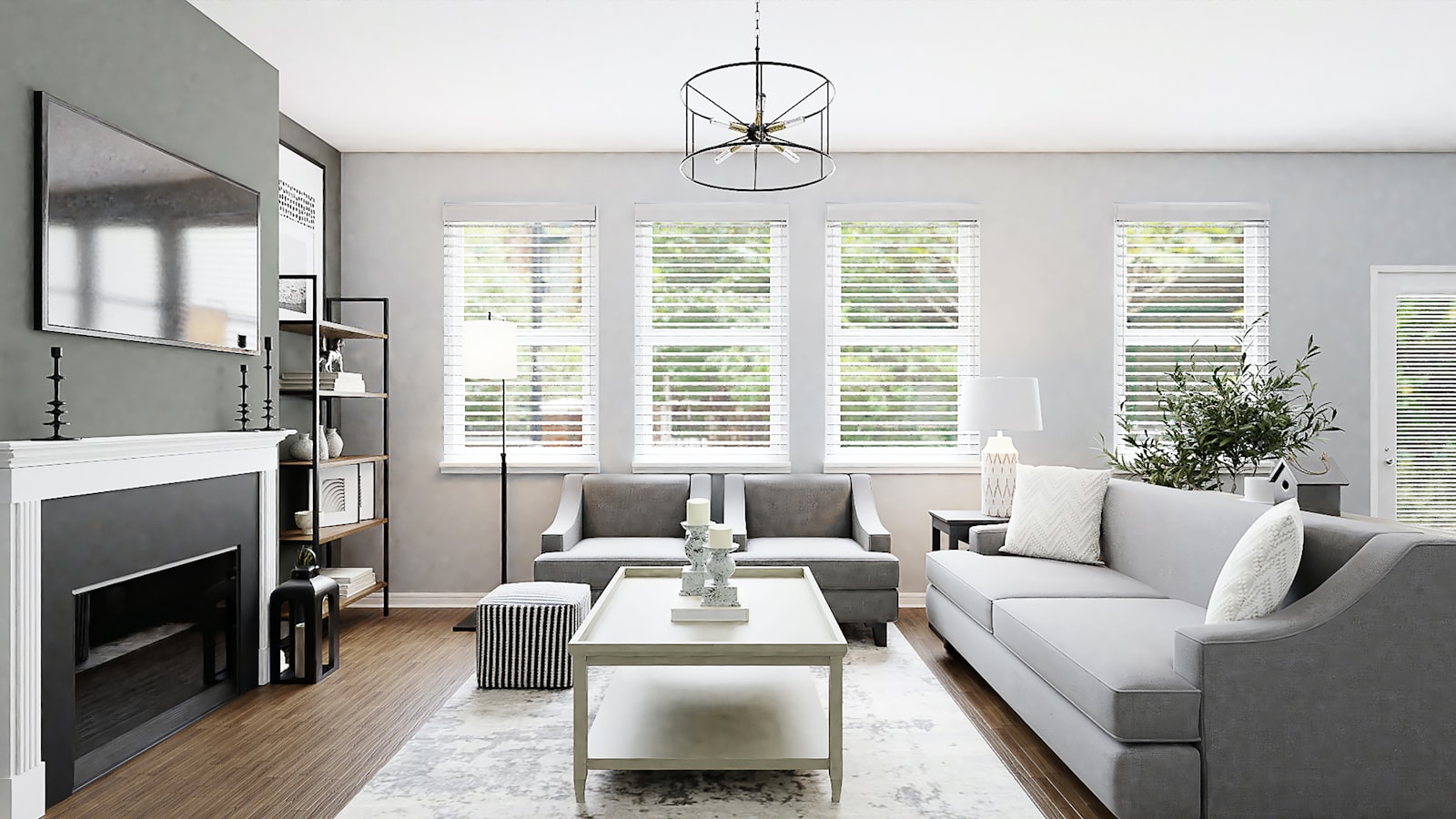
Indoor plants are among the most consistently rewarding additions to a home interior, bringing qualities of life, color, and organic beauty that no manufactured object can replicate. They move with air currents, change with the light, grow and flower on their own schedules, and respond to care in ways that create a genuine relationship between plant and keeper. This living quality is precisely what makes them so valuable as design elements: they bring to the carefully designed interior the quality of unpredictability and organic life that can make even the most polished room feel genuinely inhabited rather than merely styled.
The barrier for many people who would like to have more plants is the fear of killing them — a fear founded on past failures that were almost always the result of wrong plant for wrong conditions rather than inherent inability to keep plants alive. The truth about indoor plants is that virtually anyone can keep certain plants thriving indefinitely, as long as those plants are matched to the actual conditions of the space rather than chosen for their beauty alone. Starting with the right plants — the genuinely hardy, genuinely tolerant species that survive and even thrive under the conditions most homes actually offer — is the most important first step in building a successful indoor plant collection.
The Fool-Proof Foundation: Starting with Easy Wins
The plants that most reliably survive — and thrive — in the hands of beginners are those with the widest tolerance for the variable conditions of the typical home: fluctuating temperatures, inconsistent watering, less-than-ideal light. The pothos is perhaps the most forgiving indoor plant in existence: it tolerates low light, irregular watering, and a wide range of temperatures, and it grows vigorously even under suboptimal conditions, providing the positive feedback of visible growth that encourages continued care. The snake plant (Sansevieria) is similarly indestructible, tolerating drought, low light, and temperature variation that would kill most other plants.
Starting with two or three of these genuinely easy plants — succeeding with them, observing their requirements and learning how they communicate their needs through their appearance — builds the confidence and the knowledge base that makes more demanding plants achievable. The common pattern of plant failure is the purchase of beautiful but demanding plants by someone without experience, followed by repeated failures that create the mistaken belief that they are incapable of keeping plants alive. Starting with the right plants is the intervention that breaks this pattern.
Understanding Light: The Most Critical Variable
Light is the most important variable in plant selection and placement, and the most commonly misunderstood. Most indoor plants require significantly more light than the interiors of typical homes actually provide, and the mismatch between the light a plant needs and the light it actually receives is the most common cause of plant decline. Understanding the light conditions of different areas of your home — which windows face which direction, which areas receive direct sun, which are in shade — is the essential first step in making plant placement decisions that will succeed.
North-facing windows provide consistent but low-intensity light suitable only for the most shade-tolerant plants: pothos, snake plants, ZZ plants, and certain ferns. East-facing windows provide gentle morning sun suitable for plants that want bright but not intense light. South and west-facing windows provide the highest light levels, suitable for plants with higher light requirements: most succulents and cacti, many tropical foliage plants, and most flowering plants. Matching plant to window direction is the single most effective strategy for keeping plants alive and healthy.
Using Plants as Design Elements: Scale, Grouping, and Placement
Beyond keeping plants alive, the design skill with indoor plants is using them as compositional elements: choosing plants of the right scale for their locations, grouping them effectively, and placing them in ways that contribute to the room's visual organization rather than simply filling available space. A single large plant — a fiddle-leaf fig, a large Swiss cheese plant, a statement palm — can anchor a corner with a quality of natural drama that no piece of furniture could achieve; a grouping of smaller plants in a window can create a living tableau of contrasting forms and textures; a trailing plant on a high shelf or in a hanging planter uses the vertical dimension in ways that ground-level plants cannot.
The containers are as important to the design quality of an indoor plant display as the plants themselves. A beautiful plant in an ugly or wrong-scaled pot is not a beautiful object; a beautiful plant in a pot that is correctly sized, made from an appropriate material, and in the right relationship of color and texture to the plant and the room is a design element of genuine quality. Explore our curated collection at Little-Chapter.com for beautiful plant pots, hanging planters, and plant accessories in materials like ceramic, rattan, and terracotta that elevate every plant you bring home.