

The Home Lighting Mistakes Almost Everyone Makes (And How to Finally Fix Them)
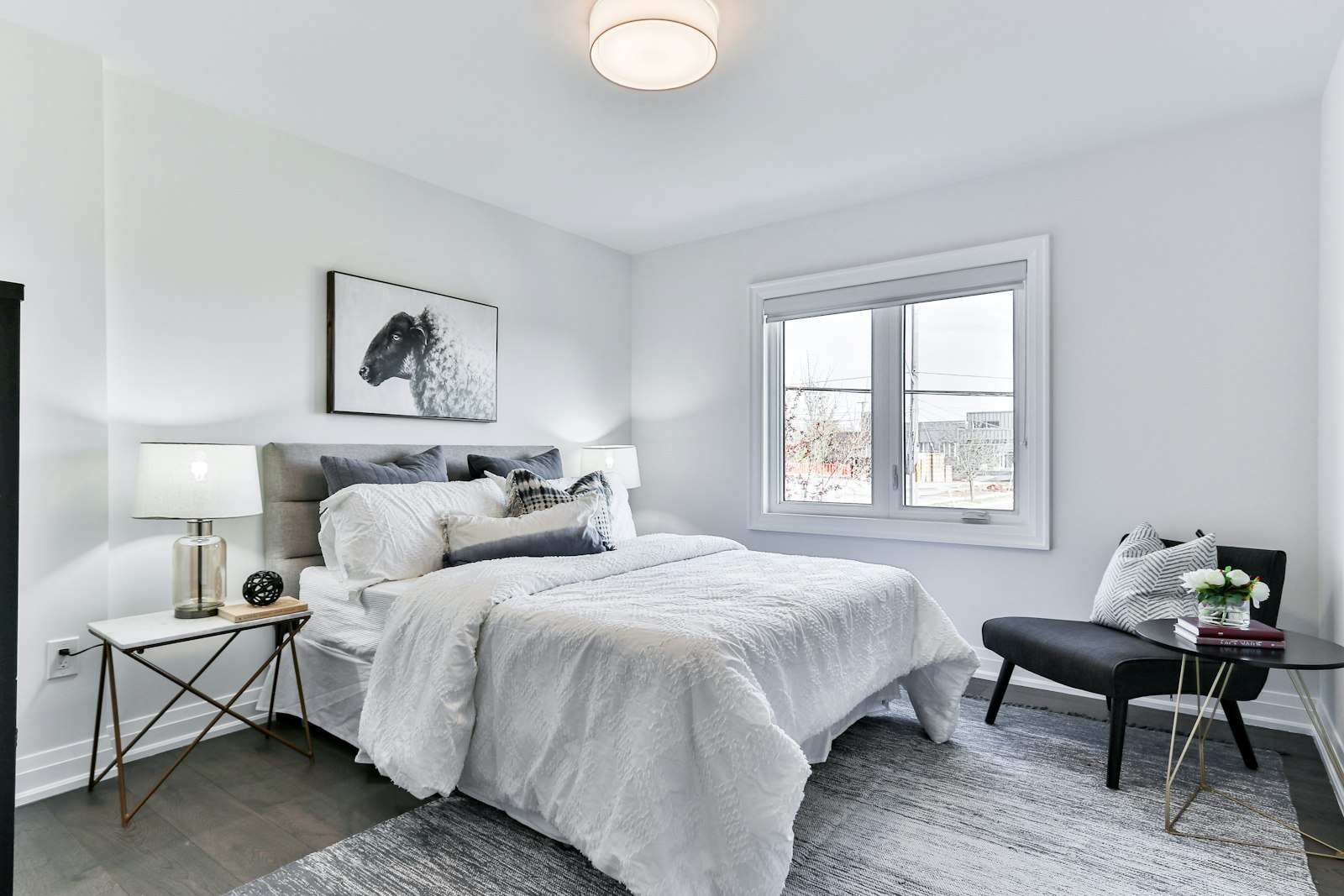
Home lighting is the area of interior design where the gap between common practice and best practice is widest, and where the cost of common mistakes is borne daily in rooms that feel harsh, flat, or atmospherically dead despite furniture and decoration that would look beautiful under better light. The lighting mistakes most commonly made in homes are not obscure or difficult to identify: they are widespread precisely because they represent the default approach to home lighting in most residential construction, and correcting them requires active intervention against that default. Once identified and corrected, the improvement in daily experience is immediate and significant enough that it is difficult to understand why they were tolerated so long.
The first and most consequential lighting mistake is the reliance on a single overhead light source as the primary or sole lighting in each room. The single overhead ceiling fixture — the most common lighting installation in residential interiors — produces flat, even illumination that eliminates shadow and creates an institutional quality entirely unlike the layered, varied, atmospheric quality of well-designed lighting. Natural light, which is the unconscious benchmark against which all artificial light is evaluated, creates infinite variation in intensity, direction, and shadow that the uniform overhead fixture cannot approach. The correction is not to replace the overhead fixture (though upgrading to a dimmer is valuable) but to add multiple lower-level light sources — floor lamps, table lamps, wall sconces — that create the variety of light level and direction that the overhead fixture alone cannot provide.
Mistake: Bulbs That Are Too Bright and Too Cool
The second most common lighting mistake is using bulbs that are either too high in wattage equivalent or too cool in color temperature for the residential environments in which they are installed. The very bright, very cool white light — a high-lumen, 5000K+ color temperature bulb — may be appropriate in a commercial kitchen or a hospital but creates a harshness in domestic rooms that works against the relaxed, warm quality of atmosphere that residential lighting should provide. The difference in the quality of the room under a 2700K warm white bulb versus a 5000K cool white bulb of the same lumen output is striking and immediate: the warm bulb enriches warm tones in the room, creates a more relaxed atmosphere, and produces a quality of light that reads as inviting; the cool bulb flattens warm tones, creates a more activating quality, and produces a light that reads as functional rather than domestic.
The correct bulb color temperature for most residential applications is 2700K — a warm white that produces the quality closest to the incandescent light that is the historical residential standard — or at most 3000K for rooms where slightly higher alertness is appropriate, such as kitchens. Bulbs above 3000K color temperature belong in commercial or task-specific applications, not in the living rooms, dining rooms, and bedrooms where the primary goal of the lighting is atmosphere rather than illumination. Replacing every non-2700K bulb in the home with 2700K equivalents is one of the fastest, cheapest, and most impactful home improvement interventions available.
Mistake: No Dimming Capability
The absence of dimming capability on the main circuits of the primary living spaces is the third most consequential lighting mistake, because it prevents the calibration of light level to the specific activity and mood of each moment: the dinner party that would benefit from lower light than a cleaning session, the film-watching that requires near-darkness with enough ambient light to navigate the room, the wind-down before sleep that benefits from the transition from normal working light to near-darkness. Without dimmers, light is either fully on or fully off, and the inability to use intermediate light levels impoverishes the atmospheric range of the home.
Smart LED bulbs that are dimmable via an app or a smart home system are the easiest retrofit for homes without dimmer switches on the existing circuits, and the combination of dimming, color temperature control, and scheduling that smart bulbs provide transforms the lighting flexibility of a home more completely than any single fixture or lamp addition. The investment in smart bulbs for the primary living spaces — or in the installation of dimmer switches on existing circuits where the wiring allows — pays back in daily flexibility and in the general quality of the home's atmosphere as light levels and quality are calibrated to the moment rather than stuck at the single level the switch was last set to. Explore our curated collection at Little-Chapter.com for floor lamps, table lamps, candle holders, and lighting accessories that add the layers and warmth that every well-lit home requires.