

The Headboard Wall as a Design Statement: Architecture, Upholstery, and Art Combined
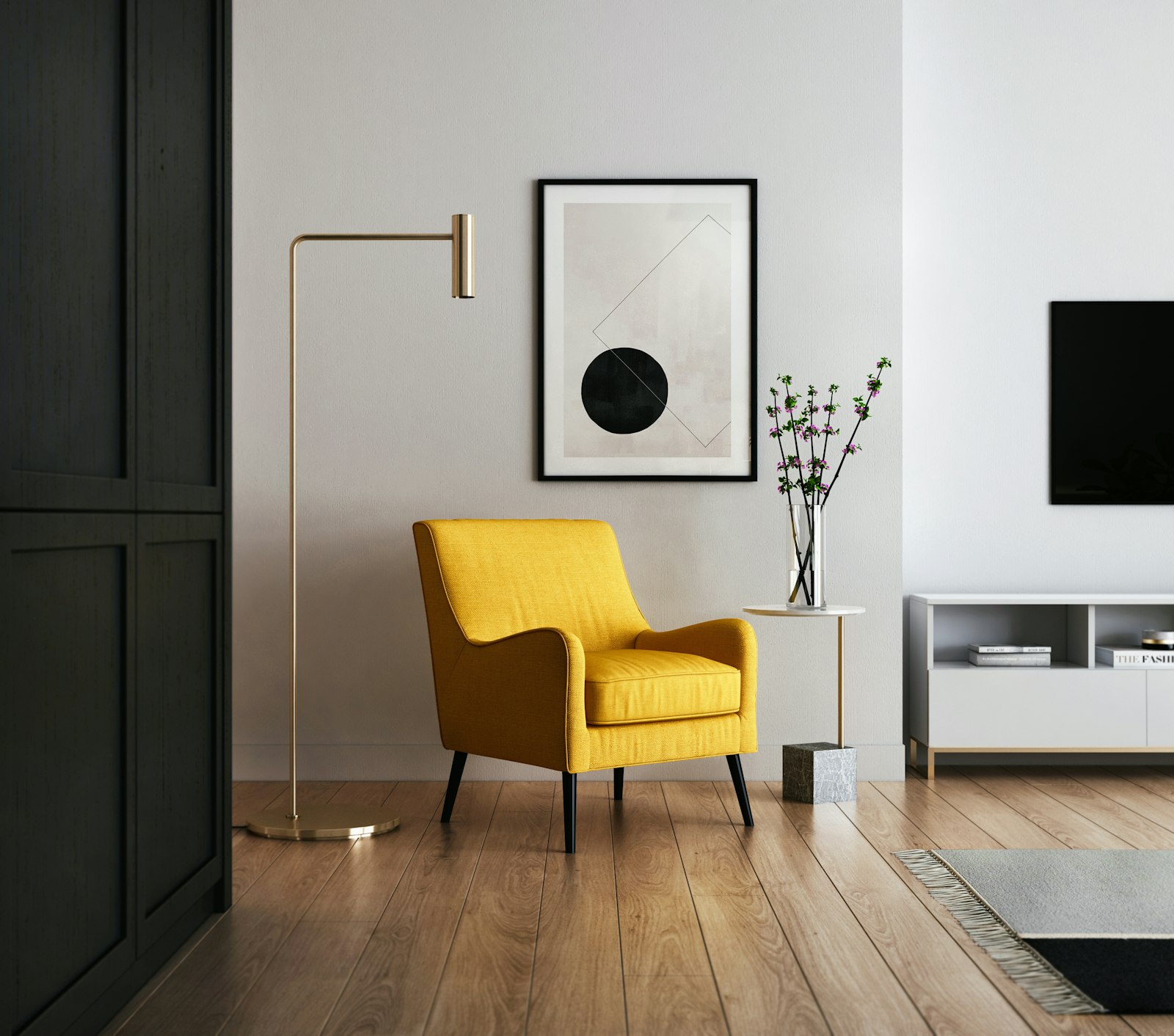
The headboard wall — the wall against which the bed is positioned and which frames the bed as the primary visual focal point of the bedroom — is the most important design surface in the room. It is the surface that is directly in the line of sight from every other position in the space, the background against which the bed and its textiles are evaluated, and the primary carrier of the bedroom's design character. A headboard wall that is simply a painted surface behind a bed is an opportunity missed; a headboard wall that is treated as the design priority it deserves to be transforms the visual quality of the bedroom as a whole more completely than any other single intervention.
The potential of the headboard wall extends well beyond the headboard itself. A fully considered headboard wall composition might include a statement headboard as its central element; flanking bedside sconces at precisely the right height for reading; a decorative treatment of the wall surface behind and above the headboard that creates context and depth for the bed; and perhaps a carefully positioned piece of art or a decorative object that completes the composition at the upper portion of the wall. Each of these elements is straightforward in isolation; the art lies in their combination, in the calibration of scale and spacing and visual weight that makes the whole composition feel considered and complete.
Upholstered Headboard Panels: Creating Scale and Luxury
The upholstered headboard panel — a fabric-covered panel that extends wider than the bed and in some cases extends to the full height of the wall — is among the most architecturally ambitious headboard approaches and among the most effective at creating the quality of a designed bedroom. Full-height upholstered panels have the particular virtue of visually connecting the floor and ceiling in a way that a floating headboard of conventional size cannot, creating a sense of designed enclosure that gives the bed zone a quality of architectural intentionality. The material choice for a full-height upholstered panel is particularly significant because of the area of coverage: a textured linen creates a sophisticated, organic quality; a velvet creates richness and depth; a patterned fabric creates visual complexity that must be carefully balanced with the other elements of the room.
The fitted headboard panel can also serve as the foundation for a gallery wall composition: artwork hung against an upholstered background is given a quality of display that is significantly more intentional than artwork hung against painted plaster, because the upholstered surface acts as a large-scale mat that frames the entire grouping. The combination of upholstered panel and artwork requires careful attention to scale — the art should be large enough relative to the panel to read clearly without being so large that it overwhelms the upholstery, which should remain the dominant element of the composition with the art as accent.
Sconces: The Architectural Element That Completes the Composition
Bedside wall sconces are the element of the headboard wall composition that most people get wrong, either because they position them incorrectly or because they choose models that are too small in scale relative to the wall they occupy. The correct positioning for a bedside sconce is determined by the specific task it must perform: providing adequate reading light for a person lying or sitting up in bed without glaring into the eyes of the reader or the partner. This places the sconce center at approximately 140-150cm from the floor for a standard bed, with the arm extending sufficiently outward from the wall to position the shade ahead of the reader's eyeline rather than behind it.
The scale of sconces relative to the headboard wall is a common source of visual disappointment: sconces chosen for a showroom display that occupies only a section of the wall frequently look diminutive when installed on a full-scale wall alongside a large headboard. The solution is to choose sconces whose arm length and shade size are genuinely proportionate to the wall on which they will be mounted, which typically means choosing larger than instinct suggests. A sconce with an arm extending 30-40cm from the wall and a shade of reasonable size creates a properly proportioned element of the headboard wall composition; a tiny sconce mounted on the same wall disappears and fails both practically and aesthetically. Explore our curated collection at Little-Chapter.com for bedside sconces, headboard accessories, bedroom art, and finishing touches that complete the headboard wall as the design centerpiece every bedroom deserves.