

The Budget Guide to Sustainable Home Decor: Beautiful Choices That Are Also Better Choices
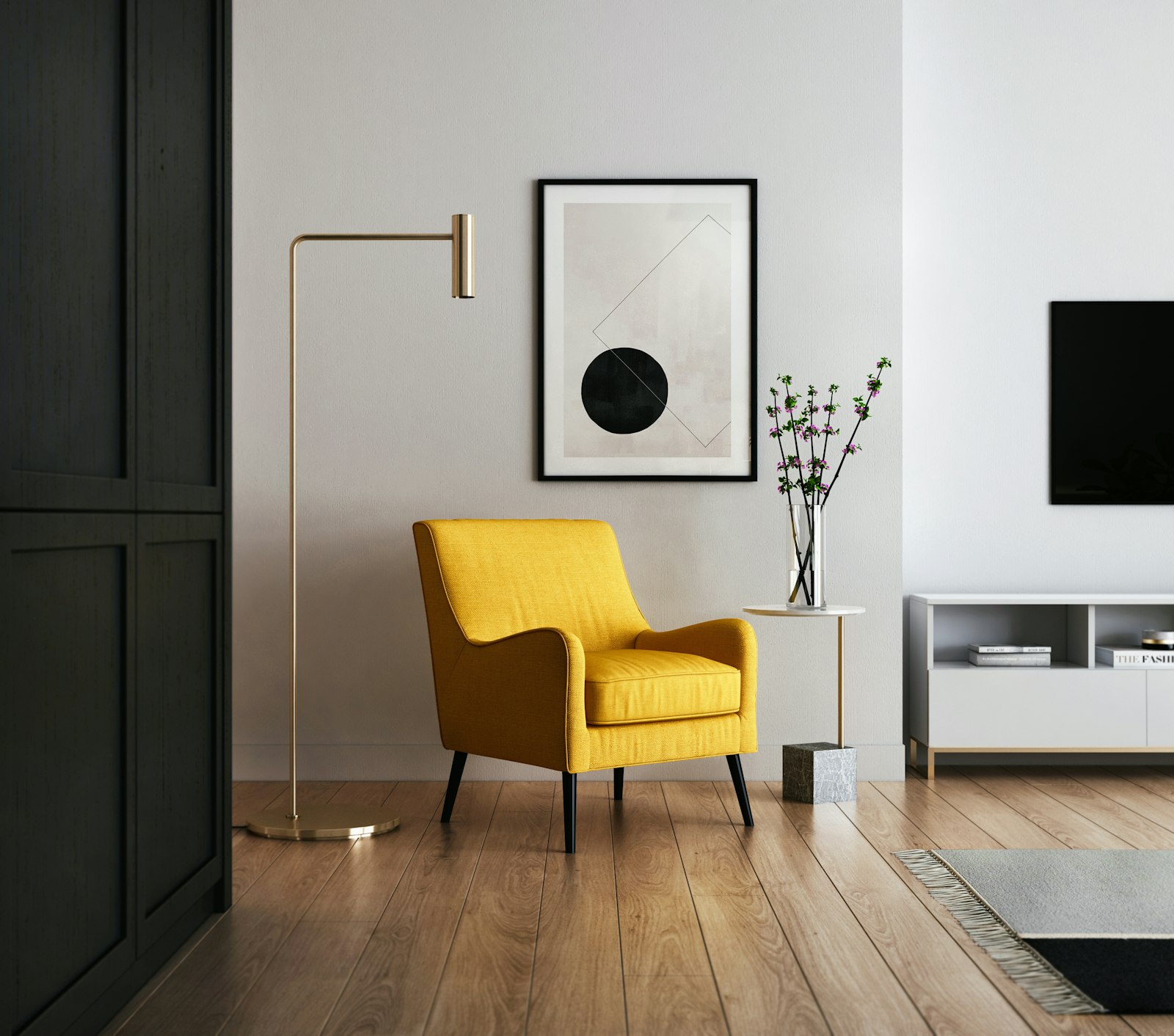
The sustainable home decor movement has been complicated by a pervasive misconception: that choosing environmentally responsible home furnishings necessarily means spending more money or accepting lower aesthetic quality than conventional alternatives provide. This misconception — itself partly a product of the premium pricing of some certified sustainable products and the marketing of eco-friendly home furnishings as a luxury category — has prevented many households from making sustainability a genuine priority in their home decoration decisions. The reality is more nuanced and more encouraging: many of the most sustainable choices available in home decoration are also among the most economical, the most beautiful, and the most consistent with quality interior design principles.
The most impactful and most economical sustainable home decoration choice is the simplest: buying secondhand. The secondhand furniture and object market is the most genuinely sustainable option available for most home decoration needs, because it extends the useful life of existing objects without generating the emissions, resource consumption, and waste associated with the manufacture of new ones. A solid wood sideboard bought secondhand and refinished represents a fraction of the environmental cost of a new equivalent, often at a fraction of the price, and frequently with a quality of material and construction that new items at the same price point cannot match. The budget sustainable home decorator's most powerful tool is not a certification database but an eye for quality at the local thrift store.
Natural Materials: The Sustainability and Beauty Alignment
Natural materials — solid wood, natural stone, clay, organic cotton, linen, wool, jute, seagrass, and rattan — are simultaneously the most sustainable and among the most beautiful materials available for home decoration, representing one of the clearest cases in interior design where the responsible choice and the aesthetically excellent choice coincide rather than trade off against each other. Natural materials are biodegradable at end of life, typically have lower manufacturing energy footprints than synthetics, and age in ways that increase their character and beauty rather than revealing their aging as degradation. The linen cushion that softens and wrinkles with use becomes more beautiful; the synthetic fabric that pills and fades becomes less beautiful. The long-term aesthetic and environmental arguments for natural materials point in the same direction.
The specific natural materials with the best sustainability profiles within their categories are those that are rapidly renewable, minimally processed, and available without significant transportation impact. Linen is among the most sustainably produced of all textile fibers: flax requires minimal water and pesticide input compared to cotton, and the full plant is used in processing, generating very little waste. Jute and seagrass are rapidly renewable, require minimal chemical processing, and biodegrade completely at end of life. FSC-certified solid wood confirms that the forest from which the timber was sourced is managed sustainably and replanted. These are the specific choices within natural material categories that offer the strongest environmental credentials alongside strong aesthetic performance.
Longevity as the Ultimate Sustainability Principle
The most important sustainability principle available to the home decorator — and the one that subsumes and reinforces all other sustainable choices — is longevity: buying fewer things that last longer rather than more things that must be replaced frequently. The environmental impact of a piece of furniture or a home textile is not determined solely by the materials from which it is made but by the total number of its replacements: a conventionally manufactured solid wood table that lasts for fifty years has a dramatically lower total environmental impact than a low-cost particleboard alternative that requires replacement every five to seven years, regardless of the certification status of either. Buying for longevity — choosing quality that endures over price that saves in the short term — is therefore the single most important sustainable home decoration decision available, and it aligns perfectly with the principles of good design. Explore our curated collection at Little-Chapter.com for natural fiber textiles, solid wood accessories, organic cotton bedding, and beautiful objects made from materials that are as kind to the environment as they are to the eye.