

The Best Indoor Plants for Every Room in Your Home
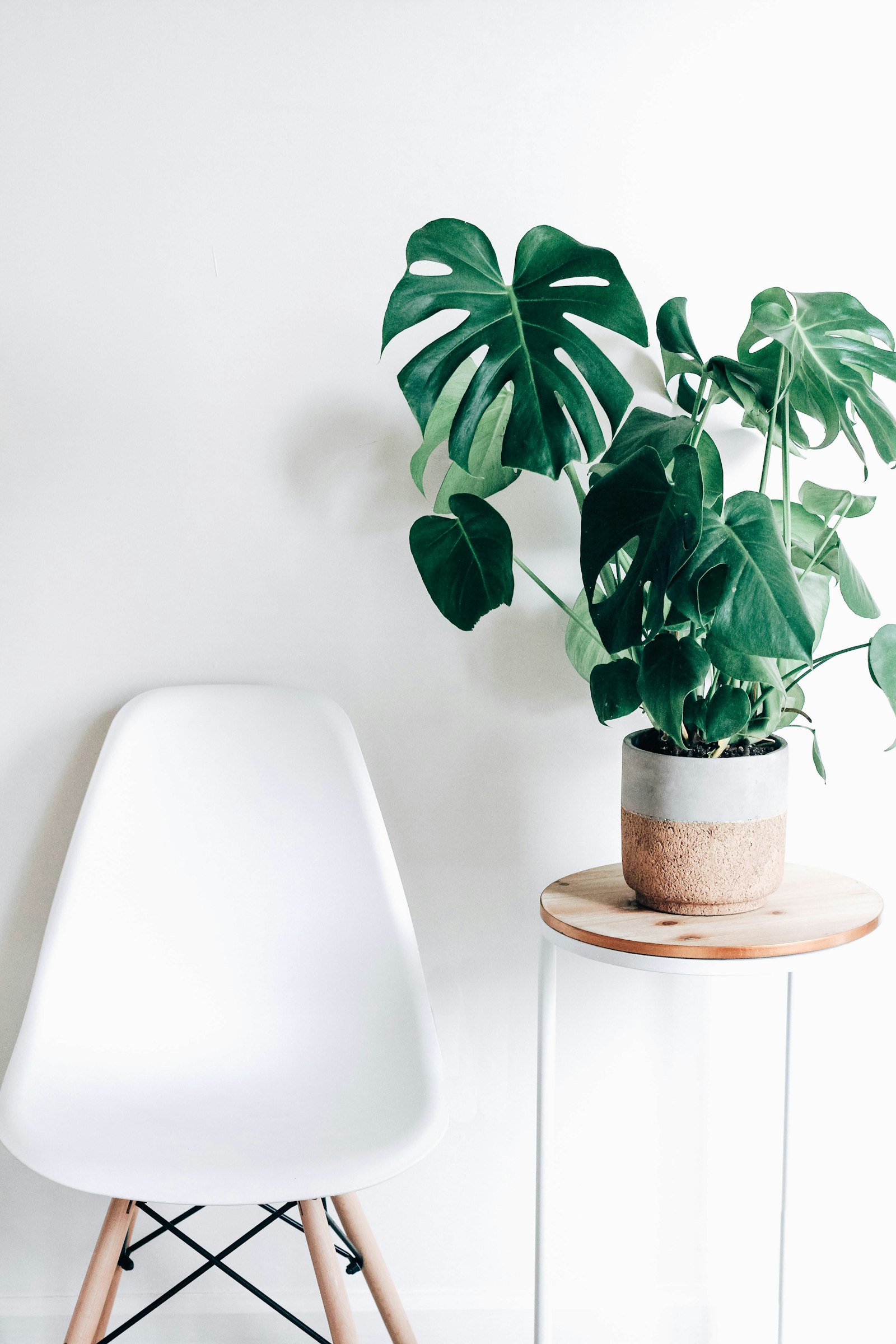
Plants do something to a room that no other decorating choice can replicate. They bring a quality of living, breathing presence that shifts the entire atmosphere of a space — making it feel more oxygenated, more connected to the natural world, and more genuinely inhabited. A room without plants can be beautiful; a room with the right plants, placed with care, is alive in a way that beauty alone cannot achieve.
The hesitation many people have about incorporating plants into their homes — the fear of killing them, of choosing wrongly, of creating more work than pleasure — is understandable but largely unfounded. The range of indoor plants available today spans the full spectrum from high-maintenance show-stoppers to nearly unkillable companions that thrive on neglect. Understanding which plants suit which conditions is the key that unlocks the plant-filled home without the accompanying guilt of a graveyard of failed specimens.
The Living Room: Statement Plants and Social Greenery
The living room is where plants can make their most dramatic statement, and where larger specimens truly earn their place. The fiddle-leaf fig — beloved of interior designers for its large, glossy, sculptural leaves — commands attention in a corner or beside a large window. It requires bright indirect light and consistent watering, but rewards that attention with a presence that makes every room it inhabits look better photographed. For lower maintenance with similar drama, the rubber plant offers similarly architectural leaves in a rich, deep green, and tolerates lower light and less frequent watering with equanimity.
The monstera deliciosa — the split-leaf philodendron whose distinctive fenestrated leaves have become one of the most recognizable icons of contemporary interior design — grows to remarkable size in good conditions and remains one of the most forgiving of large indoor plants. It prefers bright indirect light and consistent moisture but adapts readily to imperfect conditions. In a living room corner with a few hours of gentle morning sun, a mature monstera can reach ceiling height with leaves large enough to use as fans — an extraordinary organic presence that no piece of furniture can replicate.
The Bedroom: Air-Purifying Companions
The bedroom requires a more thoughtful plant selection, prioritizing species that support rather than disrupt sleep. Air-purifying plants that actively filter common household pollutants are the most valuable choice for a bedroom environment. The snake plant (Sansevieria) is perhaps the ideal bedroom companion: it releases oxygen during the night rather than the day (unlike most plants), tolerates low light and infrequent watering, and has a graphic, architectural quality that suits both minimal and more maximalist bedrooms. A tall, columnar snake plant in a simple terracotta pot beside the bed is one of the simplest and most effective design and health decisions you can make for a bedroom.
Peace lilies are another excellent bedroom choice — their elegant white spathe flowers and glossy dark leaves bring a gentle beauty to the room, and they are known for their air-filtering capacity. They require consistent moisture and indirect light, and they communicate their needs clearly: a drooping peace lily simply wants water, and recovers quickly once watered. For smaller bedrooms or bedside positioning, a pothos or heartleaf philodendron in a hanging planter or trailing from a shelf adds cascading greenery without occupying floor or surface space.
The Kitchen: Herbs and Trailing Beauty
The kitchen is the most functional plant zone in the house, and it rewards the practical approach: grow things you will use. A kitchen windowsill planted with basil, thyme, rosemary, and mint provides fresh herbs for cooking while creating a genuinely beautiful green focal point. The functional and the aesthetic align perfectly here — a well-tended herb garden on a kitchen windowsill looks precisely as good as it tastes.
Beyond herbs, trailing plants cascade beautifully from kitchen shelves. Pothos and heartleaf philodendron are the workhorses of kitchen plant design — they grow quickly, tolerate fluctuating kitchen conditions including occasional dry spells, and trail generously from shelves and cabinets. A row of small succulents on the kitchen windowsill adds texture and color without demanding much water. String of pearls or string of hearts in hanging pots above the sink creates a curtain of delicate trailing greenery that is as lovely as it is easy to maintain.
The Bathroom: Humidity Lovers
The bathroom is an underutilized plant zone in most homes, which is a genuine shame because the warmth and humidity of a regularly used bathroom is exactly the environment that certain plants love. Air plants (Tillandsia) are among the most bathroom-friendly plants available — they require no soil, absorbing moisture and nutrients directly from the air, and the regular steam from showers provides much of the humidity they need. Arranged in a collection on a wooden tray, tucked into a wall-mounted air plant display, or simply placed on the edge of the bathtub, air plants bring an organic, almost otherworldly beauty to the bathroom.
Ferns, orchids, and calatheas are also natural bathroom plants. These species originate from humid tropical and subtropical environments and thrive in the warm, moist air of a frequently used shower room. A Boston fern hanging from a ceiling hook in a bathroom transforms the room into something between a spa and a jungle. Orchids — unfairly considered difficult — actually do very well in bathrooms with bright indirect light, because the humidity eliminates the need for frequent watering.
The Home Office: Focus and Fresh Air
Research consistently shows that the presence of plants in a workspace improves concentration, reduces stress, and increases productivity. For the home office, the best plant choices are those that are easy to care for (you don't want plant maintenance distracting from work) and known for their air-purifying qualities. Spider plants, ZZ plants, pothos, and rubber plants all meet these criteria: they tolerate a range of light conditions, require watering only when their soil is dry, and actively filter common office air pollutants including formaldehyde and benzene from office furniture and electronics.
A single substantial plant in a corner of the home office — a tall ZZ plant, a lush rubber tree, a statement bird of paradise — is often more effective than a collection of small plants scattered across surfaces where they might distract. The one large plant reads as a design element; many small plants can read as clutter. A clean desk is a productive desk, and plant placement should reinforce rather than undermine that clarity.
Plant Styling: Containers, Height, and Grouping
The container is a crucial part of plant styling. A beautiful plant in an ugly or poorly-chosen pot is a missed opportunity. Terracotta has an earthy, timeless quality that suits almost any plant and any interior style. Ceramic pots in matte glazes add color and texture. Woven baskets as plant pot covers bring warmth and natural texture. Concrete pots suit minimalist and industrial interiors. The container should relate to the plant's character and to the room's overall aesthetic.
Height variation creates visual interest in plant groupings. A tall floor plant beside a medium plant on a stand beside a small trailing plant at floor level creates a dynamic composition that draws the eye through the arrangement. Group plants in odd numbers — three or five rather than two or four — for compositions that feel natural and considered. Explore our curated collection at Little-Chapter.com for beautiful plant pots, stands, and botanical accessories that help your indoor garden look its absolute best.