

The Bedroom Refresh: Simple Changes That Transform How You Sleep and Wake
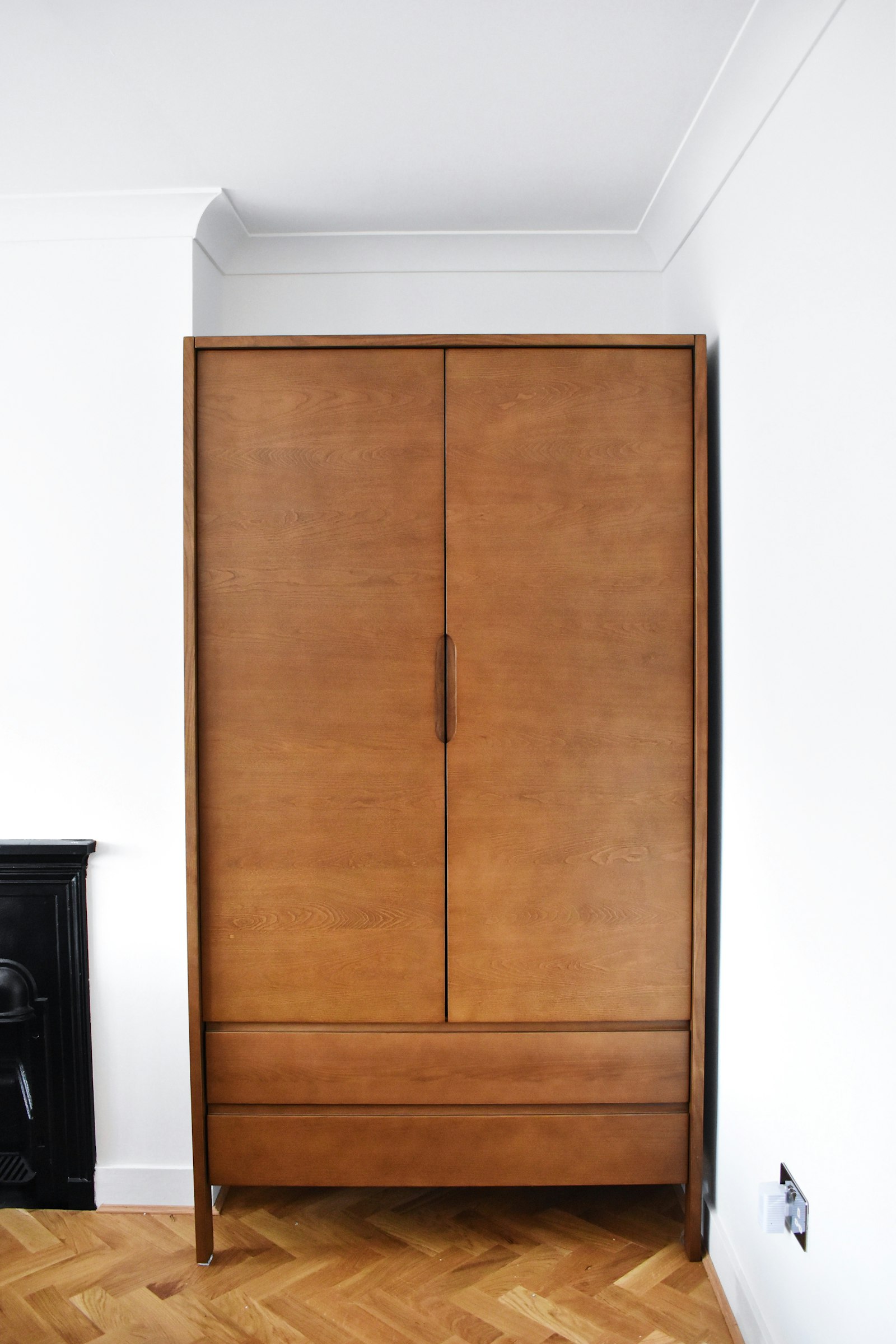
The bedroom refresh — the set of changes that genuinely improve the quality of sleep and the quality of waking in a bedroom without requiring the expense and disruption of full redecoration — is one of the most practically rewarding home improvement projects available. Unlike the full bedroom overhaul, which requires replacing furniture, repainting walls, and starting from scratch, the bedroom refresh works with what is already there, identifying the highest-impact changes and making them in a logical order that delivers the maximum improvement for the minimum investment of time and money.
The starting point for any bedroom refresh is an honest assessment of the room's current shortcomings: which aspects of the room are actually preventing better sleep or a better experience of waking? The room that is simply aesthetically uninspiring requires different interventions from the room that is too warm, too bright in the morning, too noisy, or too disorganized to support genuine rest. Identifying the actual problems rather than applying generic solutions is what makes the refresh genuinely effective rather than merely cosmetic.
The High-Impact Low-Cost Changes
The changes with the highest impact-to-cost ratio in a bedroom refresh are consistently the same: new bedding, improved blackout capability, and better bedside lighting. New bedding — fresh sheets in a thread count and material that the occupant finds genuinely comfortable, a duvet that is the right warmth for the season, pillowcases in a fabric that feels good against skin — changes the daily experience of the bed more directly than almost any other change, because it is engaged with every night and every morning in the most physically intimate way.
Blackout capability — through lined curtains, blackout blinds, or the simplest option of a blackout liner added behind existing curtains — directly affects sleep quality for anyone whose bedroom receives morning light before their preferred waking time. The improvement in sleep quality from a dark room over a light one is well-documented and substantial enough to repay the modest cost of blackout provision very quickly in terms of improved rest and energy. This is the bedroom refresh change with the most direct physiological impact, and it is often the most overlooked.
Decluttering the Sleep Environment
The psychological impact of visual clutter in the bedroom — the surfaces covered with objects that have no designated home, the chair loaded with clothing in transition, the dressing table buried under products and accessories — is more significant than most people appreciate, because the visual processing of clutter continues even below the level of conscious attention and contributes to the low-level cognitive arousal that makes falling asleep more difficult. Clearing these surfaces — finding designated storage for the displaced objects rather than simply moving them — is a bedroom refresh intervention that costs nothing and produces a quality of visual calm that directly supports the room's primary function.
The discipline of keeping bedroom surfaces clear is not a one-time task but an ongoing practice, and the most effective approach is to create storage systems that make putting things away genuinely easier than leaving them out. A hook on the back of the bedroom door for the in-transition garment that would otherwise land on the chair; a bedside tray that limits and organizes the objects permitted on the nightstand; a drawer system in the dressing area that makes finding things easy enough that things are not left out for visibility — these small organizational investments pay ongoing dividends in the quality of the sleep environment.
The Furniture Rearrangement: The Free Transformation
The position of the bed within the bedroom is the most significant single decision in the room's spatial organization, and the fresh consideration of whether the current position is actually the best one is one of the highest-impact free interventions available in any bedroom refresh. The ideal bed position faces the door without being directly aligned with it, allows access from at least one side, and positions the sleeper in relation to windows in a way that manages morning light effectively. Many bedrooms have a bed positioned in the first location tried rather than the best location considered, and the experiment of trying a different position often reveals significant improvements in both the practicality and the aesthetics of the room.
The furniture rearrangement extends beyond the bed to the other pieces in the room: the nightstand positioned on the side from which the bed is entered most frequently, the dresser positioned where it does not interfere with traffic flow, the chair or bench positioned where it can actually be used rather than serving as a landing spot for displaced clothing. These rearrangements cost nothing and can be reversed if they prove unsuccessful, making them among the most experimental and most educational interventions available. Explore our curated collection at Little-Chapter.com for beautiful bedding, decorative pillows, and bedroom accessories that make a bedroom refresh both simple and genuinely transformative.