

Styling Your Bookshelves: How to Display Books and Create a Beautiful Shelfscape
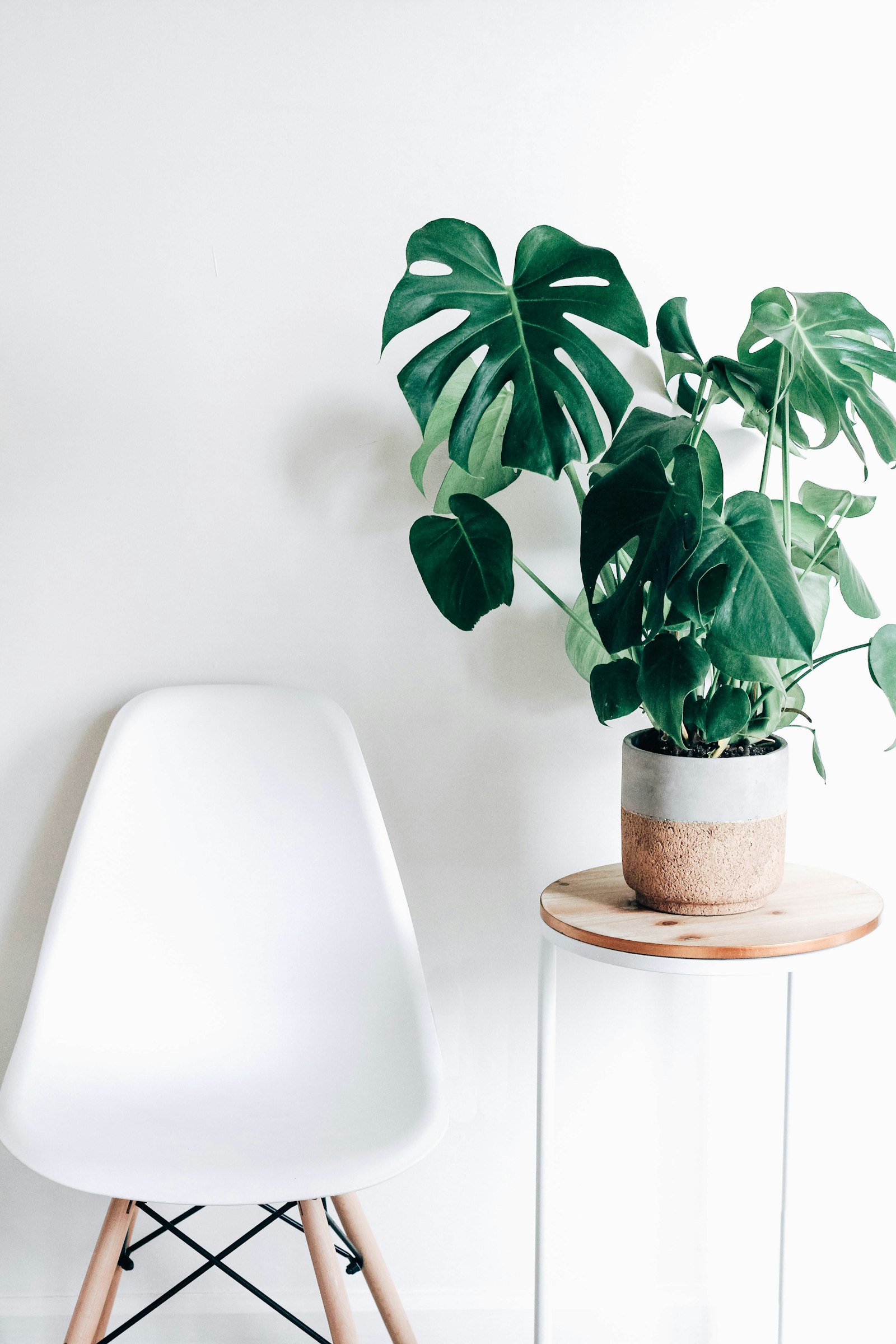
The well-styled bookshelf is one of the most revealing features in a home: it displays not just books but the intellectual character and aesthetic sensibility of its owner in a way that few other domestic features can match. A bookshelf that is both beautiful and genuinely used — that contains books that are actually read rather than merely displayed, arranged in a way that makes them both accessible and visually interesting — is one of the most personal and most intellectually alive objects a home can contain.
The challenge of bookshelf styling is that books are not inherently cooperative objects. They come in arbitrary sizes, their spines vary in color and thickness in ways that have nothing to do with aesthetic coherence, and the ideal organization system for finding books (alphabetical by author, or by subject) is rarely the most aesthetically interesting arrangement. Reconciling the intellectual requirements of a book collection — the need to find things, to have related things near each other, to have access to what is currently being read — with the aesthetic requirements of a beautiful shelfscape is the central tension of bookshelf styling, and it is a tension that admits of better and worse solutions but not of perfect resolution.
The Organizing Systems: Color, Subject, and Hybrid Approaches
The three primary organizing systems for bookshelves each have distinct advantages and limitations. Organization by subject — history with history, fiction with fiction, art books with art books — is the system that best serves finding and using the collection; it is the most intellectually coherent approach and the one that most clearly reflects the character of the collection as a working library rather than a decorative installation. Its aesthetic limitation is that subject groupings may produce visually incoherent sections where books of very different sizes and colors are placed together without regard for visual rhythm.
Organization by color — arranging books in color families or gradients regardless of subject — produces the most visually striking and most photographically appealing shelves, but at the cost of complete intellectual usability: finding a specific book requires knowing its color rather than its subject, which is not how most people think about their books. Color organization works best for the decorative portion of a bookshelf — books displayed by color as visual objects in their own right — rather than as the organizing principle for a working library that is regularly consulted.
The Art of Interspersing Objects
The most effective bookshelf styling almost always includes objects interspersed among the books: small sculptures and ceramics, framed photographs or art prints, small plants or natural objects, beautiful boxes or containers. These objects serve several purposes simultaneously: they break up the visual regularity of books lined up at the same height, they introduce different materials and textures, and they provide the opportunity for personal expression that books alone — which are, after all, commercially produced objects with pre-designed spines — cannot offer.
The most effective objects for interspersing among books are those that are small enough not to dominate the shelf but distinctive enough to be noticed: a small ceramic vessel, a found stone of interesting shape, a tiny framed photograph, a decorative object with personal significance. They should be varied in height and material, placed at irregular intervals rather than at precisely even spacing, and occasional enough that the shelf reads primarily as a bookshelf with decorative objects rather than as a display cabinet that happens to contain some books.
Depth and Layering: The Third Dimension
Books placed in a single row at the front of a shelf leave much of the shelf's depth unused, but the use of this depth through layering is one of the most effective techniques in creating bookshelves with visual richness. A row of books at the front, with a second row of books or objects stacked or standing behind them, creates depth and the impression that the shelf contains more than a single-plane arrangement ever could. Framed art leaning against the back of the shelf above the books, visible above the spines, adds another layer that makes the arrangement three-dimensional and creates the layered, accumulated-over-time quality of a shelf that is genuinely lived with rather than styled for a single photographic moment.
Varying the orientation of books — mixing upright books with horizontally stacked groups — is the simplest technique for introducing visual rhythm and allowing decorative objects to sit at the right height. A stack of horizontal books topped by a small object creates a visual element that is both functional (the books are still accessible) and decorative (the stack creates a platform that elevates the object to a useful display height). Explore our curated collection at Little-Chapter.com for beautiful bookends, small ceramics, and decorative objects that bring your bookshelves to life as the personal, visually rich feature of your home they deserve to be.