

Smart Storage Solutions That Keep Your Home Beautiful and Clutter-Free
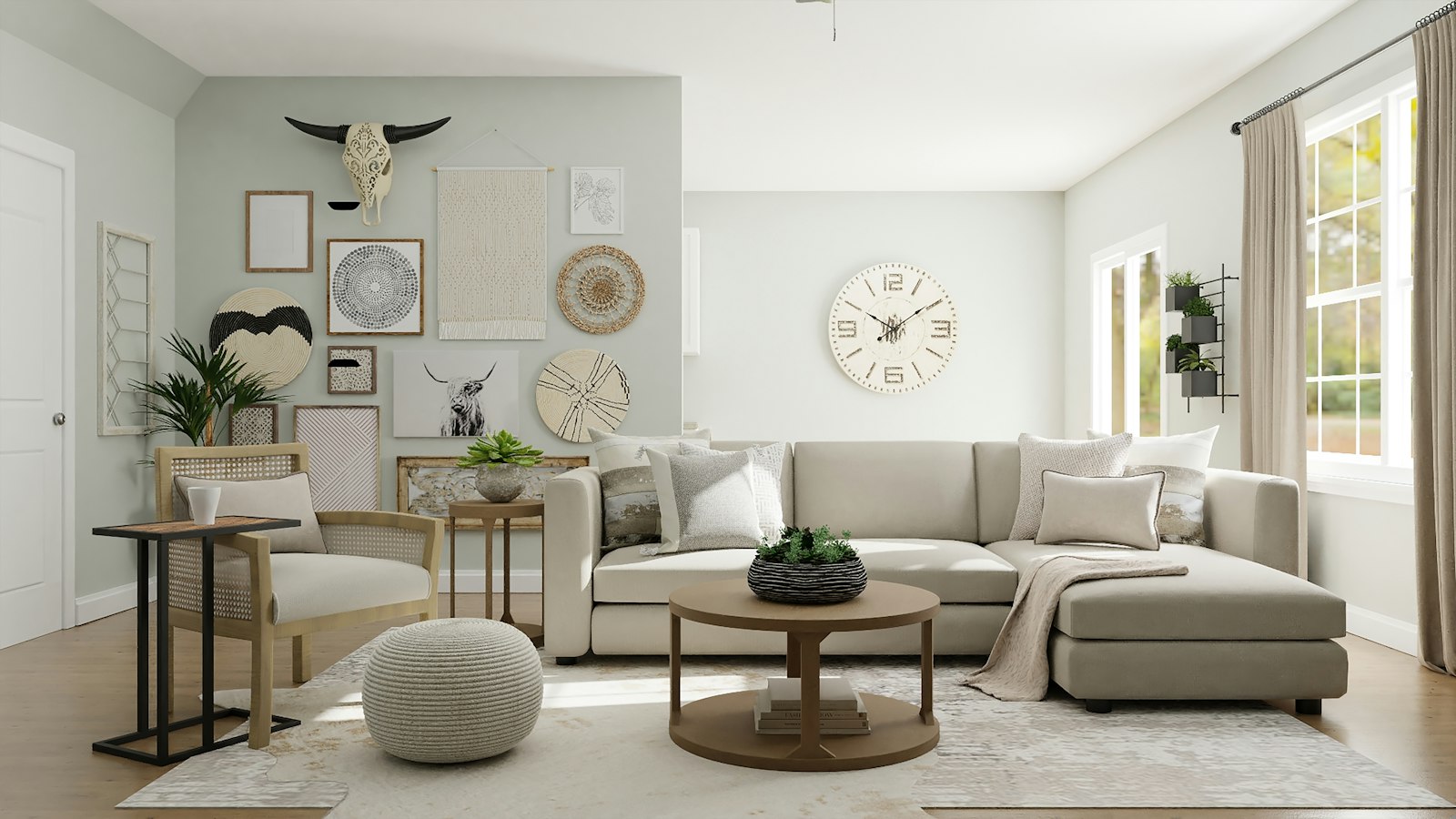
The relationship between storage and beauty in interior design is more intimate than it might initially appear. A beautifully designed room requires not just beautiful objects and surfaces but also the near-total absence of the visual noise of clutter — the accumulation of everyday objects that have no designated home and therefore gravitate toward any available horizontal surface. The storage system of a room — the provision of sufficient, accessible, and intelligently organized places for everything the room contains — is what makes the difference between a room that looks beautiful day after day and one that achieves beauty only briefly before reverting to disorder.
This means that storage is not, as it is sometimes characterized, the enemy of beauty in interior design — the utilitarian concession to practical necessity that must be hidden or minimized in the interests of aesthetics. Storage, done well, is one of the enablers of beauty: the infrastructure that makes it possible for the visible surfaces of a room to remain curated and intentional rather than colonized by the ordinary accumulation of daily life. The best approach to storage integrates it into the design of the room rather than treating it as a problem to be solved after the design is otherwise complete.
The Spectrum: Hidden, Closed, and Open Storage
All storage can be placed on a spectrum from fully hidden to fully open, and the appropriate position on that spectrum for any given storage need depends on the nature of the objects being stored and the aesthetic goals of the room. Hidden storage — built-in cabinetry, under-bed drawers, ottoman storage, furniture with concealed compartments — removes objects entirely from sight and is the appropriate solution for things that are neither beautiful nor useful to display: financial documents, cleaning supplies, the miscellaneous objects that accumulate in every household and resist categorization.
Closed storage — cabinets with opaque doors, lidded containers, boxes in fabric or natural materials — provides access to stored objects while concealing their specific contents. It is the appropriate solution for things that are functional but not beautiful: dishes that are not the best ones but are used daily, out-of-season clothing, the cables and chargers of contemporary digital life. Closed storage creates visual calm while maintaining accessibility, and it is the most useful category for rooms where aesthetics and practicality must be balanced.
Built-In Versus Freestanding: The Trade-Offs
Built-in storage — cabinetry designed and installed as part of the architecture of the room — provides the most storage for the least visual impact, because it can fill the full height and width of a wall surface without the visual interruptions created by freestanding furniture. The clean, architectural quality of a wall of well-designed built-in shelving or cabinetry is genuinely beautiful in a way that an equivalent wall of freestanding furniture cannot match, and the efficiency of space use — the elimination of wasted space around freestanding pieces — is significant in rooms where space is limited.
The trade-offs are cost and permanence: built-in storage is significantly more expensive than equivalent freestanding pieces and cannot be taken with you when you move. For homeowners in a settled living situation, the investment often justifies itself in both practical and aesthetic terms; for renters or people likely to move within a few years, the investment rarely makes sense regardless of the quality of the result.
The Organization System: Making Storage Actually Work
The most beautifully designed storage system fails if it is not organized in a way that makes finding and returning things easy enough to be done consistently rather than only occasionally. The most important organizational principle is simplicity: storage systems that require complex procedures for retrieval — unlabeled boxes stacked three deep, categorization systems too finegrained to be maintained — are storage systems that will be bypassed by anyone in a hurry, which is everyone, most of the time.
The best storage systems are designed around two principles: like with like (things of the same category are stored together so that finding one thing means finding all similar things) and frequency-appropriate accessibility (things used daily are at hand; things used seasonally are stored more remotely). These simple principles, applied consistently to every storage decision, produce systems that are actually used and that therefore actually keep rooms organized and beautiful day after day. Explore our curated collection at Little-Chapter.com for beautiful storage vessels, baskets, boxes, and organizing accessories that make keeping your home tidy as visually satisfying as it is practical.