

Seasonal Home Decorating: Refreshing Your Space Through the Year
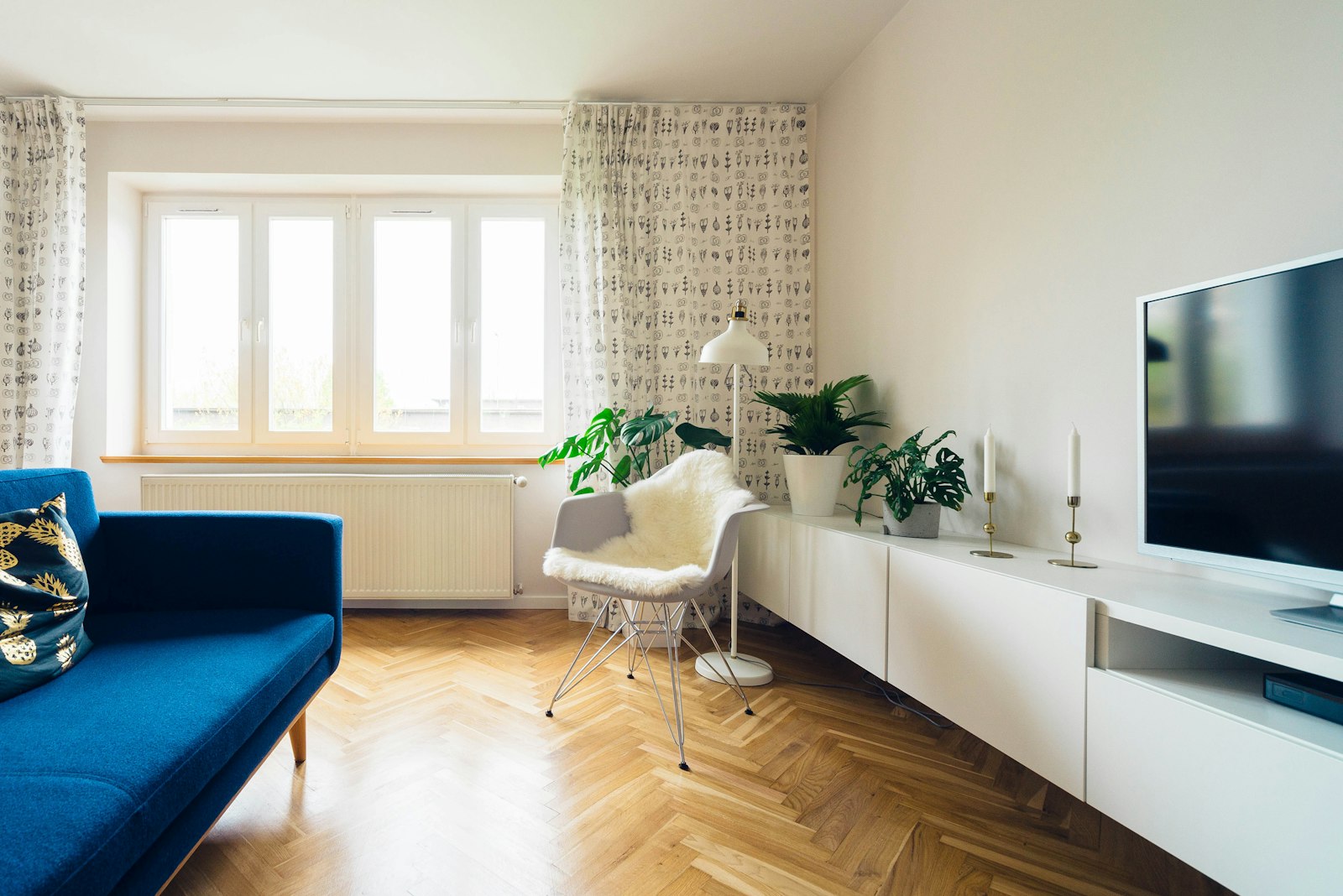
The home that changes with the seasons — that reflects the character of autumn as readily as it reflects the character of spring, that responds to the quality of winter light as sensitively as it responds to summer abundance — is one that feels genuinely alive rather than static. This seasonal responsiveness is one of the qualities that distinguishes homes that feel deeply inhabited from those that feel merely furnished: the evidence of a relationship between the home and its occupants that is ongoing and evolving rather than fixed at the moment of purchase.
Seasonal decorating does not require the wholesale redecoration of rooms four times a year — a practice that would be both exhausting and expensive. It requires, rather, a sensitivity to the changes that the seasons bring — in light quality, in color, in temperature, in the natural materials and objects available — and a willingness to introduce and rotate a relatively small number of elements that carry the season's character into the home. The fixed elements of the room — the furniture, the paint color, the rugs — remain constant; the seasonal layer is overlaid and then exchanged, year after year, in a rhythm that keeps the home feeling responsive and alive.
Autumn: Warmth, Texture, and Harvest Abundance
Autumn is the season that most rewards the home decorator: the abundance of natural materials available — gourds and pumpkins, dried seed heads and grasses, branches of colored leaves and berries, pine cones and chestnuts — is unmatched by any other season, and these materials bring a quality of organic warmth and richness to the home that manufactured decorations cannot replicate. The shift in textile weight and color that autumn calls for — heavier throws in amber and rust and deep green replacing the lighter linens of summer — is also one of the most practically satisfying seasonal changes, because it adds comfort at exactly the moment that comfort is most desired.
The color palette of autumn decorating moves naturally toward the warm end of the spectrum: the terracottas and rusts, the ochres and ambers, the deep burgundies and forest greens that reflect the colors of the autumn landscape. Introducing these colors through cushions, throws, table linens, and natural objects — rather than through paint or furniture — is the most flexible approach, allowing the warmth of the season to be felt without permanently committing the room to an autumnal palette.
Winter: Cozy, Candlelit, and Reflective
Winter home decorating is less about the addition of seasonal objects than about the amplification of qualities the home already possesses: warmth, enclosure, light in darkness. The candles that supplement electric lighting throughout the year become essential in winter; the throws that are occasionally appreciated in autumn are necessary in winter; the reflective surfaces — mirrors, glass, metallic objects — that multiply the scarce winter light throughout the year become particularly valued in the shortest days.
The natural materials of winter — evergreen branches, pine cones, branches stripped of leaves, berries that persist through cold — bring the outside world into the home during the months when the outside world is most inhospitable, and their presence creates a connection to the natural seasonal cycle that is as psychologically valuable as it is aesthetically beautiful. A branch of winter-bare twigs in a tall vase, a bowl of pine cones from a morning walk, a jar of dried rosehips — these simple, free, gathered objects bring winter into the home with a quality of authenticity that manufactured winter decorations cannot match.
Spring and Summer: Light, Freshness, and Open Windows
The seasonal shift from winter to spring is the most emotionally powerful of the year, and the home can be made to participate in it through the replacement of winter's heaviness with spring's lightness: swapping deep throws for light linens, replacing candle clusters with fresh flowers, opening curtains fully to admit the improving light. The reduction of visual weight rather than the addition of new elements is often the most effective spring decorating intervention: editing out the winter accumulation to reveal the clarity and freshness that the season calls for.
Summer decorating embraces the fullness and abundance of the season: fresh flowers in every room, bowls of fruit and vegetables that are simultaneously decoration and sustenance, the light cotton slipcovers and natural fiber rugs that replace winter's heavier textiles. The home in summer can be at its most casual and most generous, because the season's abundance makes generosity effortless. Explore our curated collection at Little-Chapter.com for seasonal throws, decorative objects, and natural accessories that help you celebrate every season in your home beautifully and effortlessly.