

Outdoor Living Space Styling: Creating Your Perfect Alfresco Room
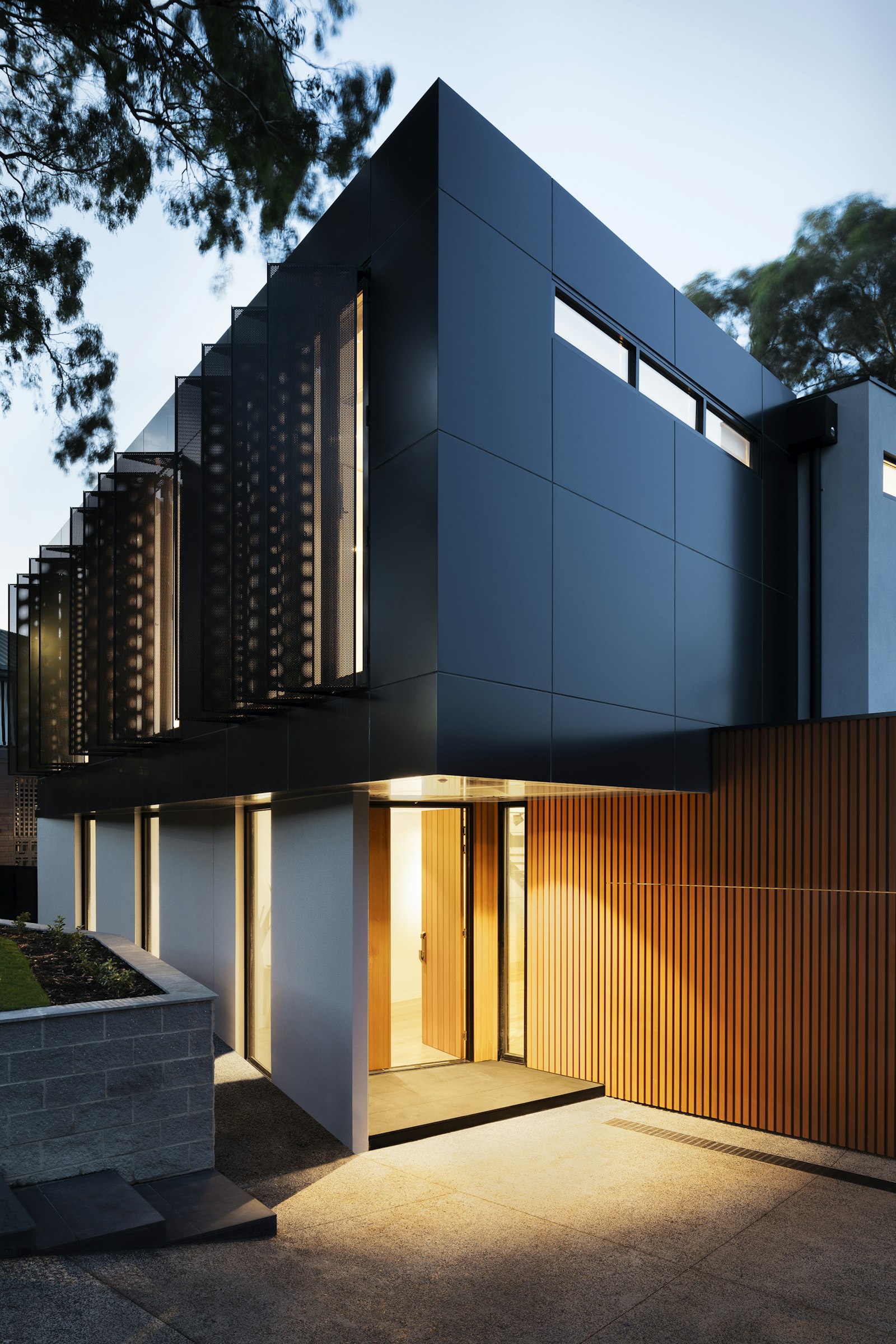
The outdoor living space has become one of the most valued and most invested-in areas of the contemporary home. As the boundaries between interior and exterior living have dissolved — as architects and designers have increasingly sought to extend the usable, comfortable space of the home into the garden, onto the terrace, and across the patio — the outdoor room has come to be understood not as an adjunct to the house but as an extension of it: a room without a ceiling that deserves the same quality of design thinking as any space within four walls.
The outdoor room that truly works — that is used daily throughout the warm months, that becomes the preferred location for meals and reading and social gatherings rather than a decorative space that is admired but rarely inhabited — is designed with the same attention to comfort, function, and beauty as the best indoor rooms. It has seating that invites lingering, lighting that allows evening use, shelter that extends the season, and details that make it feel genuinely finished and considered rather than merely furnished.
The Furniture: Outdoor Comfort Without Compromise
Outdoor furniture has improved dramatically in quality and design in recent years, and it is now possible to furnish an outdoor room with pieces that are beautiful, comfortable, and genuinely weather-resistant. The key materials for quality outdoor furniture are teak and other dense hardwoods that weather naturally and beautifully, powder-coated steel or aluminum that resists rust and requires minimal maintenance, high-quality synthetic rattan that combines the visual warmth of natural rattan with significantly greater durability, and marine-grade fabrics that resist fading, moisture, and mold while providing genuine seating comfort.
The most common mistake in outdoor furniture selection is compromising on comfort. An outdoor sofa or chair that is merely decorative but not genuinely comfortable to sit in will not be used, regardless of how beautiful it looks in a showroom or a catalogue. The cushioning must be supportive enough for extended sitting, the dimensions must suit the scale of the space, and the overall configuration must invite the particular kinds of outdoor use you have in mind — whether that is formal dining, casual lounging, or both.
Shade and Shelter: Extending the Season
A well-designed outdoor room is usable in a range of weather conditions, not only on perfect sunny days. Shade is essential for comfortable use during the hottest hours of summer days: a quality parasol, a sail shade stretched between posts, a pergola with climbing plants that provide dappled cover, or a permanent canopy structure all serve this function. The choice depends on the scale and character of the outdoor space and the degree of shelter required.
A patio heater or outdoor fireplace extends outdoor use into the cooler months of spring and autumn, and the latter particularly creates an atmosphere of campfire warmth and social intimacy that is one of the great pleasures of outdoor living. A built-in or freestanding firepit around which seating is arranged creates a genuinely magical outdoor gathering space, combining the practical benefit of warmth with the primal, social quality of fire that draws people together.
Plants: Bringing the Garden In
Plants are as essential to the outdoor room as they are to any interior, but the scale and ambition of outdoor planting can be proportionally greater. Large terracotta and glazed ceramic pots planted with dramatic specimens — architectural agapanthus, the bold graphic form of agave, the cascading abundance of bougainvillea in warm climates — create focal points of great visual impact. Climbing plants on walls and pergolas create enclosure and privacy while adding vertical green interest. Herb planters near an outdoor dining area bring the sensory pleasure of kitchen garden fragrance to the eating experience.
The styling of outdoor plant displays follows the same principles as indoor ones: grouping, varied heights, attention to the relationship between pot and plant, and a degree of restraint that prevents the space from feeling cluttered. Three large pots of different heights planted with the same species create a more powerful effect than a dozen small pots of different species scattered around the space without order or intention.
Lighting: The Key to Evening Use
Outdoor lighting transforms the garden at dusk, creating an environment that is at least as beautiful as — and often more magical than — the same space in daylight. The layered approach to outdoor lighting produces the best results: ambient lighting from wall-mounted lanterns or post lights that provides overall illumination; accent lighting that highlights specific plants, trees, or architectural features; and atmospheric lighting from string lights, lanterns, and candles that creates the quality of warm, festive light that outdoor entertaining requires.
Solar-powered lights have improved dramatically in quality and are now a practical and sustainable option for garden lighting, eliminating the need for electrical installation while providing genuine illumination. Outdoor-rated string lights draped through trees, pergolas, or along fences create an immediately festive quality of warm ambient light that transforms the outdoor room from a daytime space into an all-hours environment. Explore our curated collection at Little-Chapter.com for outdoor furniture, lighting, planters, and accessories that help you create a beautiful, truly livable outdoor room.