

Open Shelving Styling: The Art of Beautiful, Functional Display
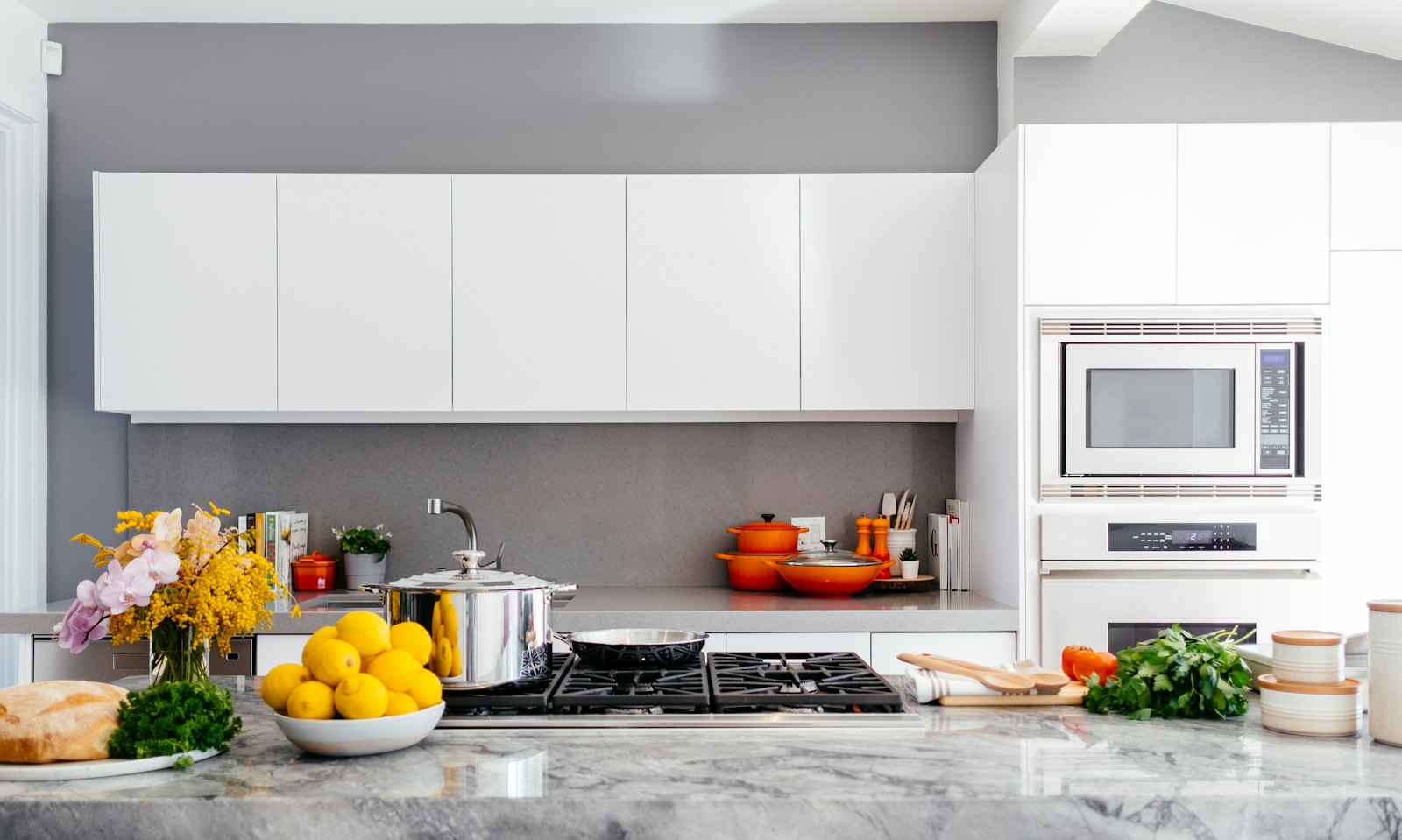
Open shelving is one of the most seductive and most demanding elements in contemporary interior design. When styled well, it creates kitchens, living rooms, and home offices of extraordinary warmth and personality — spaces where the objects of daily life are displayed with the care and intention of a museum installation, where function and beauty operate entirely in concert. When styled poorly, it creates visual chaos: a horizontal surface for every item that doesn't have another home, a collection of mismatched containers and half-used products that makes the entire room feel disorganized.
The difference between these two outcomes is not budget, not the quality of the shelves, and not even the quality of the objects displayed. It is understanding and consistently applying a small set of principles that govern what belongs on an open shelf, how it should be arranged, and how to maintain the display over time. These principles are learnable, and once learned, they transform open shelving from a source of decorating anxiety into one of the most genuinely pleasurable surfaces in the home.
The Golden Rule: Only Display What You Love and Use
The most important principle of open shelving styling is also the simplest: display only objects that meet two criteria simultaneously. They must be things you genuinely love looking at, and they must be things you regularly use or could reach for without hesitation. An object that is beautiful but never touched becomes a dust-collector and a source of subtle guilt. An object that is practical but ugly undermines the visual integrity of the shelf and makes the whole display look more like storage than styling.
This rule immediately clarifies the editing process. Take everything off your open shelves and evaluate each object against both criteria. The beautiful ceramic pitcher you use for water at every meal belongs. The functional but ugly plastic container belongs in a closed cabinet. The decorative object you haven't touched in three months probably belongs somewhere else or nowhere at all. What remains after this edit will be a collection of things that are both genuinely beautiful and genuinely used — and these objects, given proper space and arrangement, will make your shelves sing.
The Rule of Three and Visual Grouping
Objects arranged in groups of odd numbers — three or five rather than two or four — have a natural visual dynamism that even-numbered groupings lack. A pair of objects suggests a set; a trio suggests a collection. This principle, the rule of three, is the single most applicable guideline in shelf styling, and it works across every aesthetic from minimalist to maximalist.
Within each group of three, vary at least two of three elements: height, width, or depth. A tall slim vase beside a medium round ceramic bowl beside a small rectangular dish creates a composition with visual movement. Three identical objects in a row create a pattern rather than a composition — sometimes intentional, but more limiting in terms of visual interest. The groups themselves should be distributed across the shelf with breathing space between them — a gap of empty shelf between groupings allows each composition to register clearly rather than blurring into a continuous horizontal mass of objects.
Color Strategy on Open Shelves
Color coherence is the element that transforms a collection of individual objects into a composed display. When the objects on an open shelf share a color palette — even loosely, even imperfectly — the shelf reads as intentional rather than accumulated. In a kitchen, this might mean displaying ceramics in a palette of earthy whites, warm greys, and terracotta rather than a random assortment of whatever plates and bowls you happen to own. In a living room bookshelf, it might mean arranging books by color, or grouping the predominantly blue-spined books together and the warm-toned ones together.
White and near-white ceramics are the most versatile choice for open kitchen shelving because they relate elegantly to almost any kitchen palette and create a sense of light and calm that busier colors cannot. If your kitchen is warm-toned, warm whites and cream ceramics will integrate most naturally. If your kitchen palette is cooler — pale blue, sage green, grey — slightly cooler whites and glazes will harmonize better. The calibration doesn't need to be precise; it simply needs to be considered.
Height Variation and Layering
A shelf that holds objects of the same height looks flat and unresolved. Varying heights — tall at the back, shorter in the front, with interesting mid-height elements in between — creates visual depth and a sense of curation that a single horizontal line of objects cannot achieve. Stack books horizontally to create platforms for smaller objects placed on top. Lean a small framed print or piece of art against the shelf back to create a backdrop. Use a small riser or a simple wooden block to elevate one object above the others in a grouping.
Layering also adds depth. In a kitchen shelf, a small plant placed in front of the plates creates a front-to-back layering that adds life and dimensionality to the display. In a living room bookshelf, a small object placed in front of a stack of books creates a composed still-life quality. The front of the shelf is valuable display real estate that is often left empty — using it thoughtfully adds the finishing layer that elevates a shelf from good to truly beautiful.
Natural Elements: Plants and Botanicals
Living plants are among the most effective additions to open shelving because they bring movement, organic variety, and genuine life to a display. Trailing plants — pothos, string of pearls, heartleaf philodendron — cascade beautifully over the front edge of a shelf, softening the hard horizontal line and adding a sense of lushness. Small succulents in simple terracotta pots fill gaps in a composition without demanding much space or attention. A single dramatic plant — a small cactus, a sculptural air plant, a tiny trailing fig — can be the unexpected element that makes a shelf arrangement memorable.
Dried botanicals offer the visual quality of plants without the care requirements: a small bundle of dried lavender in a ceramic vase, a stem of dried pampas grass in a tall bottle, a wreath of dried eucalyptus hung from a shelf edge. These elements add texture, organic color, and a gentle nostalgic quality that works beautifully in Scandi, cottagecore, and rustic-modern aesthetics.
Maintenance: The Ongoing Practice
Open shelving requires more maintenance than closed storage, and this reality should be factored honestly into the decision to install it. Dust accumulates on displayed objects and must be dusted regularly. Objects accumulate beyond the edit — a new purchase here, a gift there — and periodic re-editing is necessary to prevent the shelf from drifting back toward a cluttered storage look. Seasonal updates, where some objects are rotated in and others stored away, keep the display feeling fresh and intentional throughout the year.
The maintenance required by open shelving is not a flaw but an invitation to ongoing engagement with the objects you own and display. The regular act of dusting, rotating, and re-arranging keeps you connected to each object in a way that closed-cabinet storage simply does not. Explore our curated collection at Little-Chapter.com for beautiful ceramics, plants, and decorative objects that make every open shelf a display worth living with.