

Mixing Metals in Home Decor: Breaking the Rules Beautifully
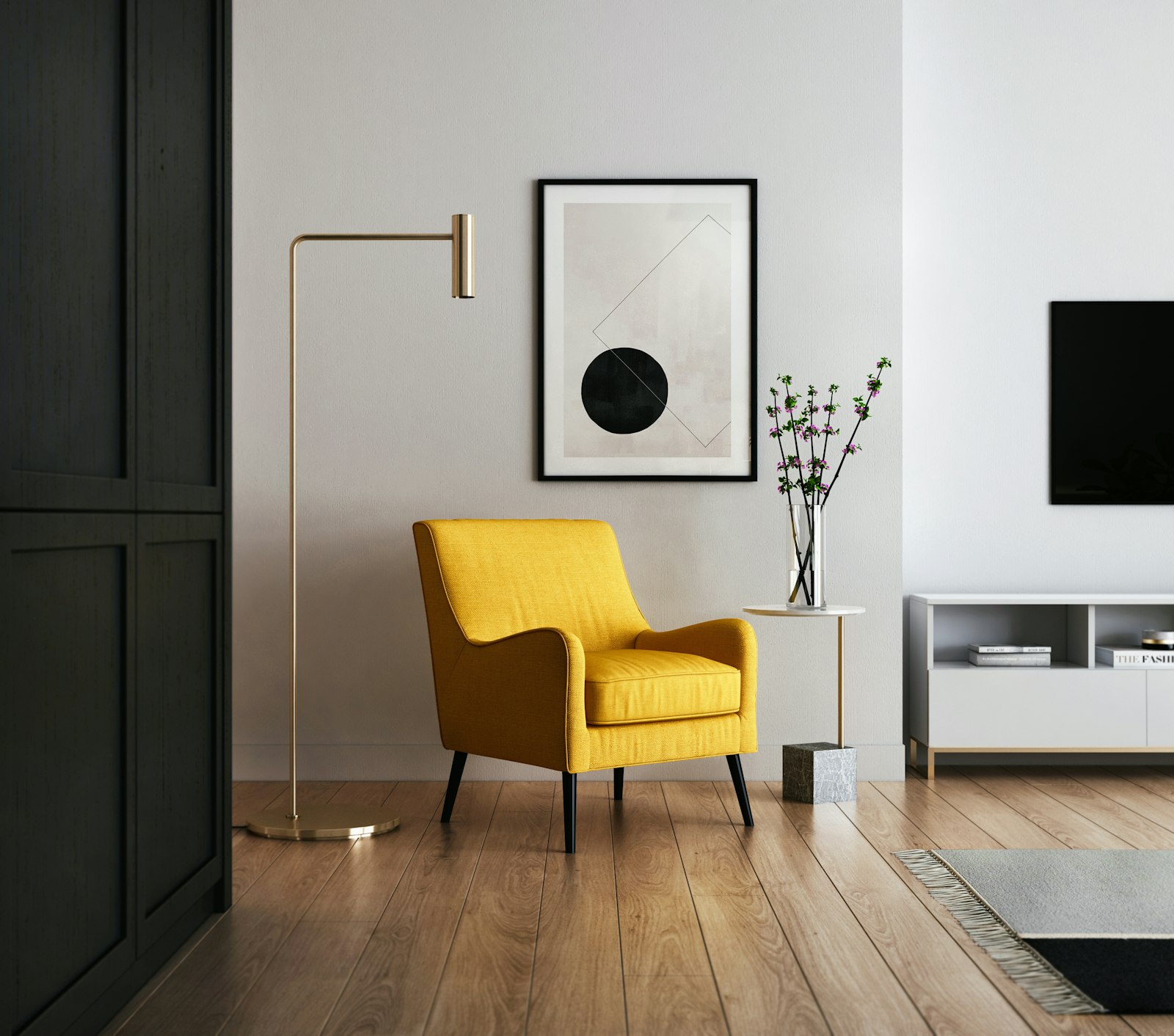
For years, the conventional wisdom in interior design was to choose one metal finish and stick to it throughout a room — all brass, or all chrome, or all matte black — on the grounds that mixing metals looked unintentional and incoherent. This advice made a kind of sense in an era when the mixing was indeed often accidental, when different metals ended up in the same room simply because no one had thought carefully enough about how they related. But it has been comprehensively overturned by the best contemporary interior design, which demonstrates conclusively that mixed metals, when chosen and deployed with intelligence, produce spaces of far greater richness, interest, and visual sophistication than any single-metal approach can achieve.
The key word in that sentence is intelligence. Mixing metals successfully is not about randomly combining whatever finishes happen to be available; it is about making considered choices that create a coherent, intentional result. The rules that make mixed metals work are few and learnable, and once you understand them, the world of metal finishes opens up as one of the most exciting and most versatile elements of interior decoration.
The Foundation: Choose a Dominant Metal
Successful metal mixing almost always begins with establishing a dominant metal — one finish that appears most frequently and most prominently in the room, setting the overall tone and character. In a warm, rich interior, the dominant metal might be aged brass or burnished gold. In a more cool and contemporary space, it might be brushed nickel or polished chrome. In an industrial or masculine room, matte black might set the tone. The dominant metal appears in the most visible and most significant applications: the main light fixture, the plumbing fixtures, the primary hardware on furniture and cabinetry.
Secondary and accent metals are then chosen to complement and contrast with the dominant finish. A brass-dominant room might incorporate matte black as a grounding accent (in drawer pulls, picture frames, or small accessories) and perhaps polished gold for occasional decorative pieces. A nickel-dominant room might welcome brushed brass as a warming secondary metal. The ratio that tends to work best is approximately 60 percent dominant metal, 30 percent secondary, and 10 percent accent, though this is a guideline rather than a formula.
Temperature Coherence
The most reliable guide to which metals work together is temperature: warm metals (gold, brass, bronze, copper, aged or antique finishes) pair naturally with other warm metals, while cool metals (chrome, nickel, pewter, brushed steel) pair naturally with other cool metals. Mixing warm and cool metals — brass with chrome, for example — requires more care and is less reliably successful than mixing within the same temperature family.
Within the warm metal family, the full spectrum from pale gold through rich brass to deep bronze offers extraordinary variety without the risk of temperature clash. These metals share the quality of warmth that makes them look natural together, and the differences in value and tone between them provide the contrast and interest that make the mix interesting. A room with gold ceiling fixtures, warm brass hardware, and a bronze lamp base has richness and sophistication that no single-metal approach can match.
Finish Variation: Matte, Satin, and Polish
Alongside color temperature, the finish of a metal — how reflective and how smooth its surface is — is an important dimension of the mixing decision. Mixing different finishes of the same metal (polished brass and brushed brass, for example) adds variety without the risk of temperature clash and is one of the most reliably successful mixing approaches. The polished surface catches and reflects light actively, while the brushed surface absorbs it more softly, and the combination of these qualities in the same room creates a beautiful interplay of light and reflection.
When mixing different metals, varying the finish can either smooth out the differences between them or emphasize them. A matte black and polished brass combination emphasizes the contrast between the two metals' colors. A brushed black and satin brass combination is more subtle and harmonious. Both can be beautiful; the choice depends on the overall character you are trying to create in the room — dramatic and graphic, or rich and quietly sophisticated.
Where Metals Live in the Room
Distributing different metals thoughtfully around a room — rather than clustering all of one metal in one area and all of another in a different area — creates the sense that the mix is cohesive and intentional. If brass is the dominant metal, it should appear in at least three locations that are visually distributed around the room: perhaps the ceiling light, the hardware on a sideboard, and a lamp on a bookshelf. The secondary metal similarly appears in multiple locations. This distribution creates a visual dialogue between the metals that gives the room a quality of designed richness rather than accumulated accident.
Hardware is often the place where metal mixing is most practically significant — the drawer pulls and knobs of kitchen cabinetry, bedroom furniture, and bathroom vanities are small but numerous and highly visible. Mixing hardware finishes within a kitchen — brass cup pulls on lower cabinets with matte black bar pulls on upper ones, for example — can create a beautiful, layered effect when done with intention. Explore our curated collection at Little-Chapter.com for beautifully designed decorative accessories in mixed metal finishes that bring sophistication to any interior.