

Mixing Metals in Home Decor: A Designer's Guide to Getting It Right
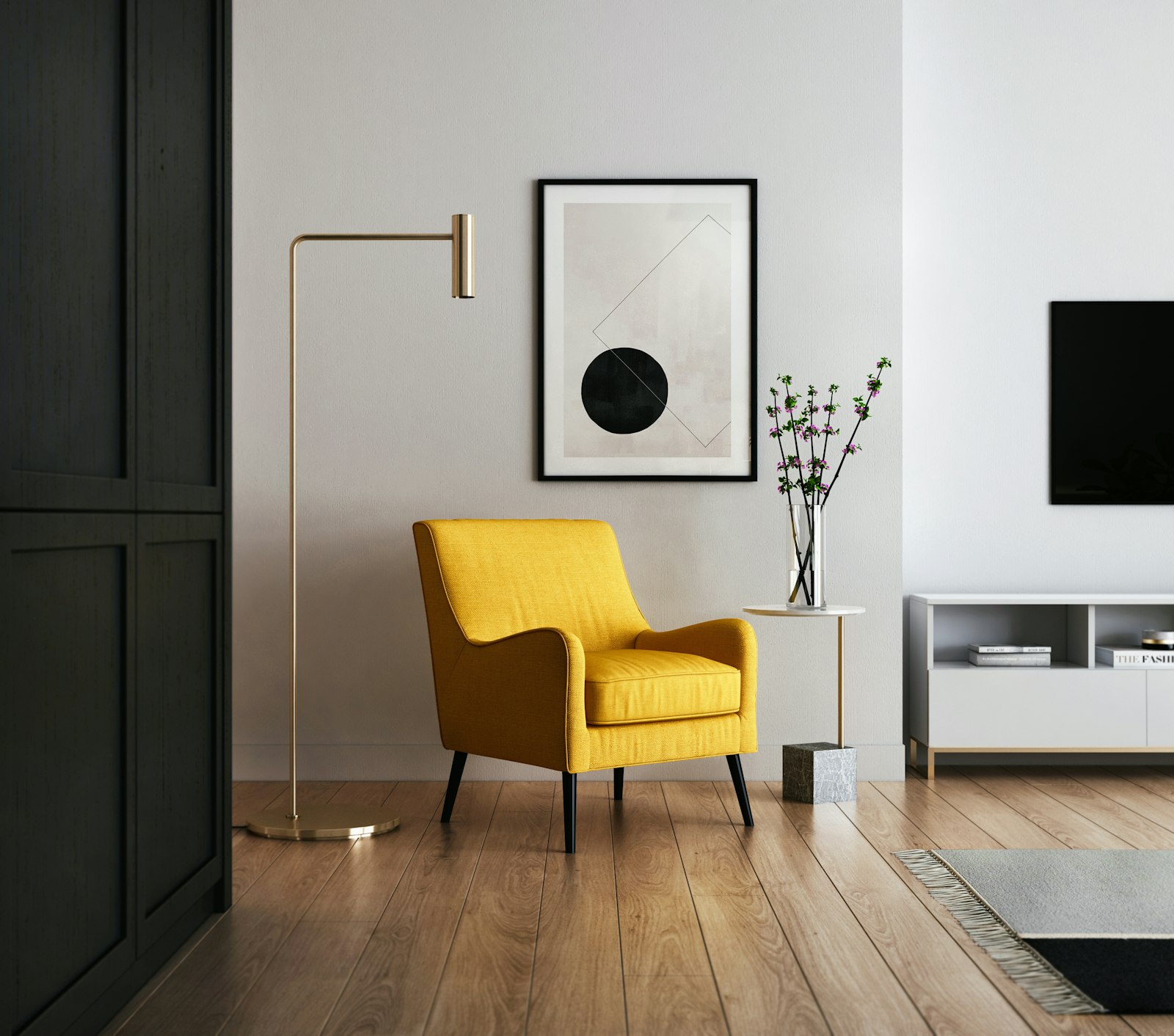
The rule against mixing metals in home decoration — once taught as gospel in design schools and repeated earnestly in decorating guides — has been thoroughly and enthusiastically overturned by the interior design world of the past decade. Today, the most sophisticated, most admired interiors almost always feature a deliberate mix of metal finishes: brass and black, brushed nickel and aged bronze, copper and matte steel. The monometallic room, where every finish is carefully matched to a single tone, now reads as slightly rigid, slightly overthought, slightly lacking in the lived-in personality that mixed metals provide.
Understanding why mixed metals work — and what distinguishes a considered mix from an accidental clash — gives you the confidence to apply this technique in your own home with genuine assurance. The principles are straightforward, and once internalized, they make metal selection one of the most pleasurable aspects of putting a room together.
The Core Principle: Warm and Cool, Not Random
The most important organizing principle in mixing metals is the warm-cool distinction. Warm metals — brass, gold, bronze, copper, aged brass — have yellow or red undertones that give them a richness and organic depth. Cool metals — brushed nickel, chrome, stainless steel, silver — have blue or grey undertones that feel crisp, contemporary, and precise. Black metal, technically neither warm nor cool, functions as a neutral that mediates between warm and cool finishes.
The mixes that work best are those that include metals from only one side of the temperature divide, with black as an optional mediator. Brass and black is currently the most popular combination in contemporary interiors — the warmth of brass against the graphic strength of matte black creates an elegant, slightly dramatic palette that reads as both sophisticated and accessible. Brushed gold and aged bronze creates a tonal mix within the warm family that has extraordinary depth and richness. Brushed nickel and chrome mixed within the cool family creates a contemporary, slightly industrial palette.
The Rule of Dominant and Accent Metals
Successful metal mixing requires a clear hierarchy. One metal should dominate — appearing in the most visible and most frequent positions — and one or two metals should appear as accents, providing variety and interest without competing for dominance. The dominant metal typically appears in the largest or most architecturally significant fixtures: the kitchen faucet and cabinet hardware, the bathroom towel bars and faucets, the primary light fixtures in the main living areas. The accent metals appear in smaller accessories: a brass lamp base in an otherwise brushed nickel bathroom, a matte black candle holder in a brass-dominant kitchen, a copper jug on a kitchen shelf where everything else is matte black.
This hierarchy prevents the room from looking like a random collection of whatever hardware happened to be on sale. When the dominant metal appears consistently in the most prominent positions, the room has a clear design language. The accent metals feel like deliberate additions to that language rather than departures from it.
Brass: The Most Versatile Statement Metal
Brass deserves particular attention because it is the metal that has done more to transform contemporary interior design than any other. The revival of brass — after decades of being associated with outdated, overly formal interiors — produced rooms of extraordinary warmth and sophistication, and the continuing evolution of brass finishes (polished, satin, brushed, unlacquered, aged, antique) has given designers an enormous range of brass looks to work with.
Unlacquered brass is particularly notable for its behavior over time: without the protective lacquer coating that keeps polished brass looking permanently shiny, unlacquered brass develops a natural patina as it reacts with air and skin oils. High-touch items like cabinet pulls and faucets develop the darkest patina soonest, while less-touched items like light switch plates change more slowly. The result, over months and years, is a finish with the warmth and variability of a genuine antique — one that looks as though it has been in the house for decades even if it was installed last year.
Black as the Universal Mediator
Matte black has become ubiquitous in contemporary interior design for reasons that go beyond mere trend. Black reads as a color and as a metal simultaneously — it has the graphic strength and definition of a bold color choice while functioning as a hardware and fixture finish in precisely the way a metallic finish does. This dual nature makes it extraordinarily versatile: matte black pairs beautifully with brass (creating a warm-dramatic combination), with brushed nickel (creating a contemporary-graphic combination), and with both simultaneously (creating the three-metal arrangement that currently defines a specific kind of high-design kitchen or bathroom).
Black fixtures in a kitchen or bathroom — matte black faucets, matte black cabinet hardware, matte black light fixtures — create a strong visual graphic that defines the space with unusual precision. When combined with natural materials (wood, stone, ceramic) and a warm neutral backdrop, matte black adds a sophistication that would take considerably more design effort to achieve through other means.
Application Room by Room
In the kitchen, the faucet and cabinet hardware are the primary metal decisions. Choose a dominant metal for these (brass, brushed nickel, or matte black are the leading options) and let the secondary metals appear in smaller accessories: a copper kettle, a brass fruit bowl, a cast iron skillet with a matte black handle. In the bathroom, faucets, towel bars, and light fixtures are the primary hardware positions. In the living room, metals appear primarily in light fixtures, side table legs, picture frames, and decorative objects — areas where mixing is easy and looks intentional. In the bedroom, lamp bases, bedside table hardware, and mirror frames are the primary metal elements.
The guiding principle in every room is the same: decide on your dominant metal and apply it consistently to the highest-profile positions. Then allow your accent metals to appear in the supporting positions — bringing variety, warmth, and the lived-in quality that a perfectly matched room will always lack. Explore our curated collection at Little-Chapter.com for beautifully designed metal accessories, hardware, and decor in every finish to help you build your perfect mixed-metal palette.