

Minimalist Living Rooms: How to Edit Your Space for Maximum Visual Impact
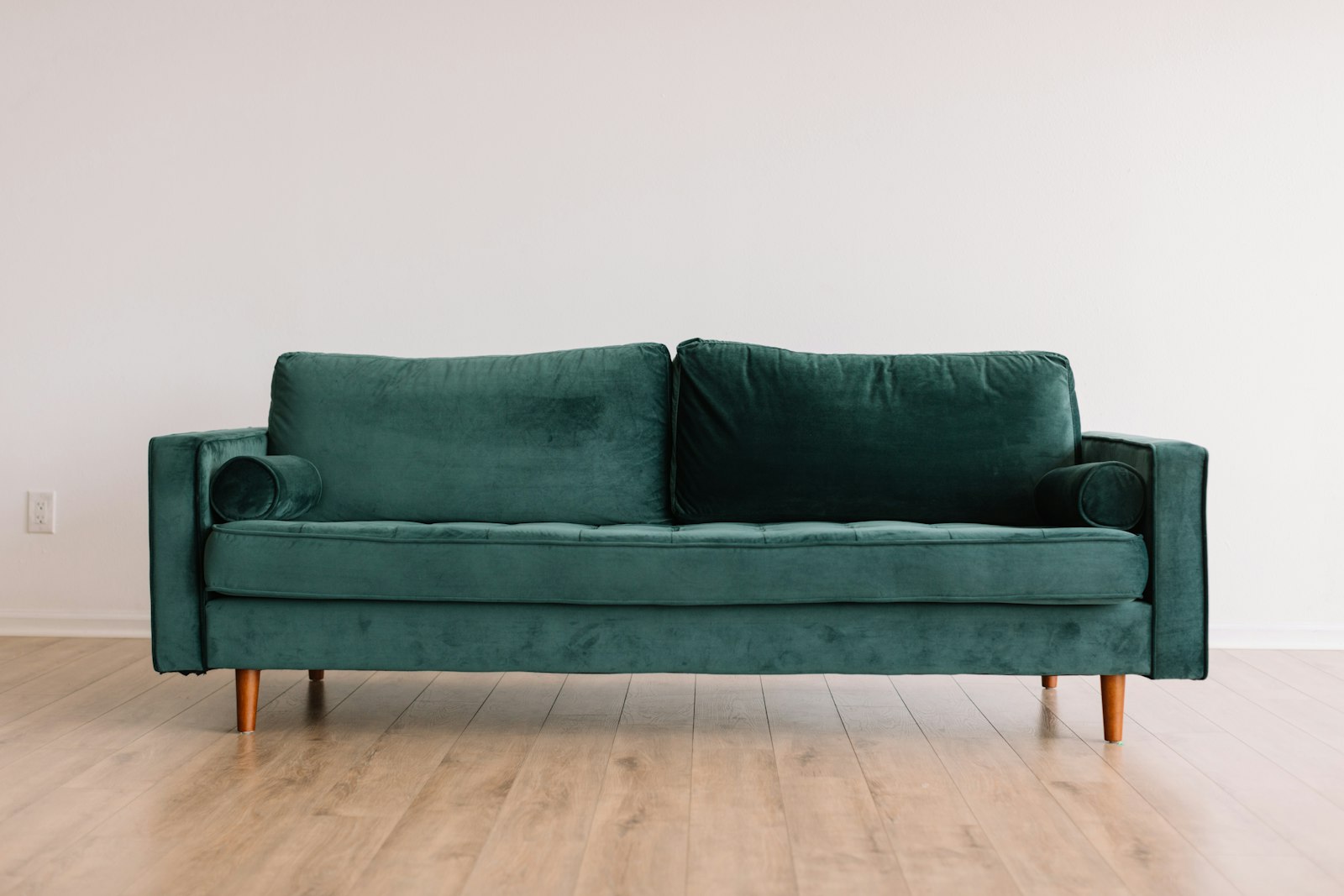
Editing is the essential skill of minimalist design, and it is harder than it sounds. Adding things to a room is easy — the natural gravity of domestic life pulls toward accumulation, toward filling available surfaces, toward the acquisition of objects that seem like they might improve a space. Removing things is more demanding: it requires a willingness to make decisions, to distinguish between what genuinely serves the room and what is merely present in it, and to trust that less will indeed be more. The minimalist living room is the product of sustained, thoughtful editing, and the quality of the result is proportional to the quality of that editing process.
The most useful framework for editing a minimalist living room is to treat the exercise as a series of questions rather than a list of things to remove. For each item in the room: does this do something that no other item in the room does? Is it beautiful enough that its presence enhances the room visually? Does it earn its place in terms of both function and aesthetics? Anything that cannot answer yes to at least two of these questions is a candidate for removal, and the cumulative effect of these removals is the beginnings of a genuinely minimalist room.
The Starting Point: Everything Out
The most effective approach to creating a minimalist living room from a previously cluttered one is to begin by removing everything — absolutely everything — and then to return only what genuinely earns its place. This radical approach forces a clarity of thinking that is very difficult to achieve when editing in place, surrounded by the accumulated context of the room as it currently exists. When you look at an empty room, you see its shape, its light, its proportions — the qualities that the furniture and objects should serve rather than obscure.
Returning items to the empty room should be a deliberate, sequential process: the largest pieces first (sofa, coffee table), then the secondary furniture (side tables, shelving), then the objects and textiles. At each stage, the question is whether each addition improves the room from its current state. If adding a piece makes the room better — more beautiful, more comfortable, more functional — it belongs. If the room is equally good or better without it, it does not belong in the minimalist version of the space.
Furniture Editing: Quality Over Quantity
The minimalist living room typically has fewer pieces of furniture than its conventional equivalent, but the pieces it does have are of higher quality and more carefully chosen. A single genuinely beautiful sofa is preferable to a sofa plus a love seat that crowds the room. A considered armchair positioned with intention is preferable to two chairs that struggle for space and compromise each other. The principle of one great piece rather than several mediocre ones applies across every category of furniture in the minimalist room.
Scale is critical in a room with fewer pieces, because each piece is seen more clearly and in more direct relationship to the space around it. A sofa that is slightly too large reads as oppressive in an edited room where it would be lost in a more crowded one. The proportions of every piece must be considered not just in relation to each other but in relation to the room itself — to the floor area, the ceiling height, and the wall space around it.
Color Discipline: The Power of One
Minimalist living rooms typically work with a color palette of three tones or fewer: a dominant neutral, a secondary tone, and perhaps a single accent. This constraint requires more thought than a complex palette — the few colors that are present must be genuinely beautiful and must work together in a way that is both harmonious and visually interesting. But the constraint also produces its own reward: a room of exceptional visual coherence that photographs beautifully from every angle and that never feels busy or overwhelming.
The accent color in a minimalist room, when used, should be used sparingly and consistently. A single terracotta cushion. A stack of books with warm-spined covers. A small piece of ceramics on the coffee table. The accent does not need to appear everywhere to have impact; in a minimal room, even a small amount of contrast color registers clearly and creates the visual interest that prevents the palette from feeling monotonous. Explore our curated collection at Little-Chapter.com for beautifully made furniture, textiles, and objects that help you build a minimalist living room you truly love.