

Japandi Interior Philosophy: Where Japanese Wabi-Sabi Meets Nordic Calm
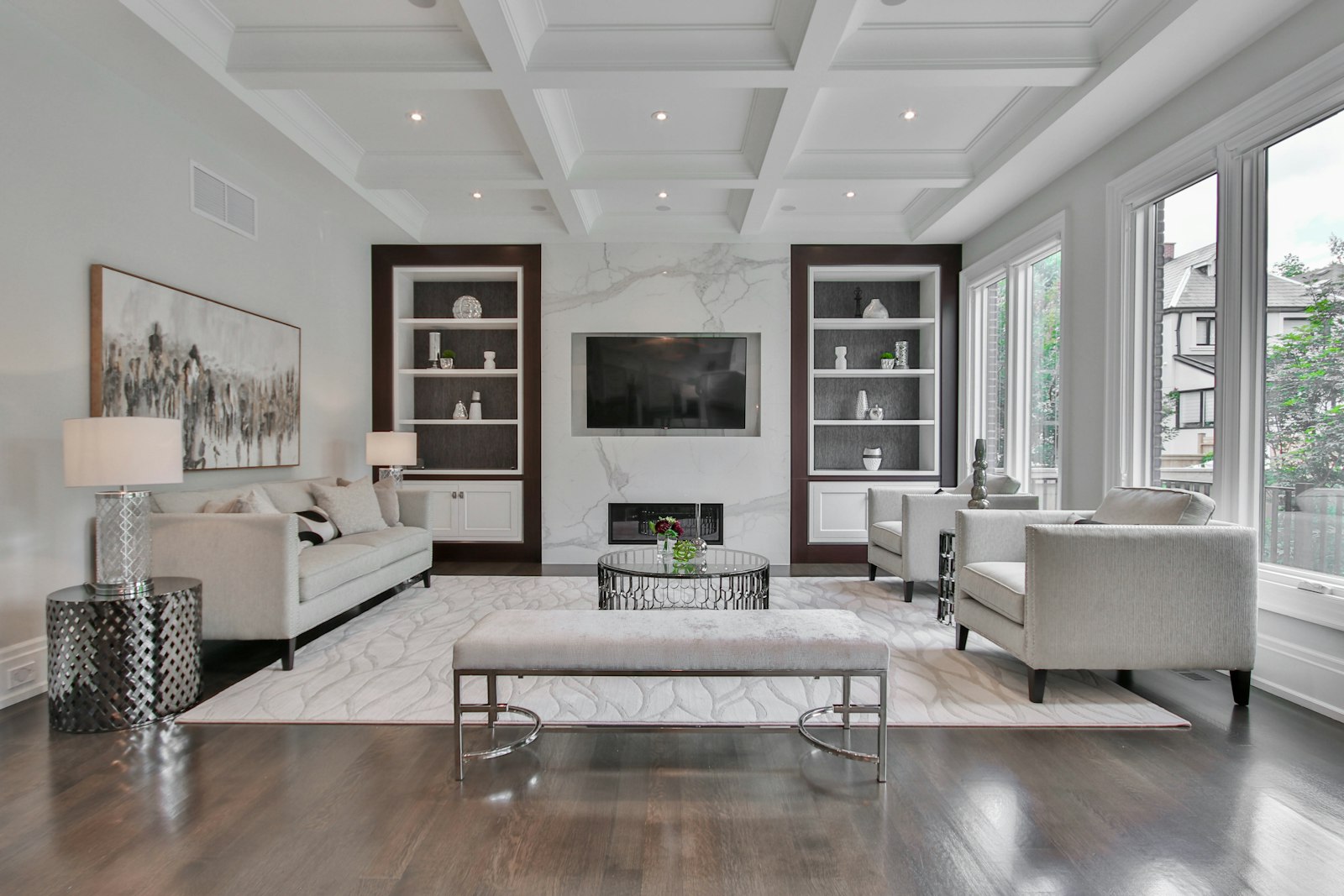
Japandi is the name given to the fusion of Japanese and Scandinavian design sensibilities, and while the portmanteau is relatively recent, the aesthetic it describes has deep roots in both traditions. The result of bringing Japanese wabi-sabi — the philosophy of finding beauty in imperfection, incompleteness, and impermanence — together with Nordic hygge and its emphasis on functional simplicity and warm, cozy living, is an interior style of extraordinary depth and genuine livability. Japandi spaces are quiet without being empty, minimal without being cold, and refined without being precious.
What makes Japandi more than just a trend is the genuine philosophical alignment between its two parent traditions. Both Japanese aesthetics and Scandinavian design share a deep respect for natural materials, a commitment to honest craftsmanship, an appreciation for the beauty of functional objects, and an understanding that restraint is not deprivation but liberation. These shared values mean that the fusion feels natural rather than forced, creating interiors that are coherent and considered rather than merely eclectic.
Color and Tone: The Japandi Palette
The Japandi color palette is one of the most distinctive and most appealing aspects of the style. It works with a range of warm, natural neutrals — the grey-beige of raw linen, the warm white of natural plaster, the pale wood tones of oak and bamboo — punctuated by deeper, earthier accents: charcoal, warm black, forest green, deep terracotta, dusty sage. These deeper colors appear as accents in cushions, ceramics, and occasional furniture rather than as dominant wall colors, creating a palette of subtle sophistication that feels both calming and visually interesting.
The Japandi approach to color is governed by an understanding of how colors relate to natural materials. The warm neutrals of the palette are drawn from the natural world — from stone, clay, wood, and fibre — rather than from paint charts, and this grounding in the natural gives them a quality of harmony and coherence that more arbitrary color combinations lack. When you choose colors that reference materials you are also using, the room has an organic consistency that feels genuinely designed rather than merely decorated.
Furniture: Low, Simple, and Crafted
Japandi furniture tends toward lower profiles than Western furniture traditions, reflecting the Japanese influence of floor-level living and the intimacy with horizontal surfaces that this creates. Low platform beds, low sofas with clean wooden frames, simple coffee tables that sit close to the ground — these proportions create rooms with a quality of spaciousness and calm that higher, more imposing furniture cannot achieve. In a Japandi bedroom or living room, the eye is drawn across horizontal planes rather than upward, and this creates a quality of visual rest that is both literal and psychological.
The furniture of the Japandi interior is almost always made of natural materials — solid wood, rattan, bamboo, linen and wool upholstery — and the craftsmanship of each piece is visible and celebrated rather than concealed. Visible joinery, the grain of the wood, the slight irregularity of a hand-thrown ceramic base: these marks of making are not defects to be hidden but qualities to be valued, expressions of the wabi-sabi understanding that imperfection is inherent in all things made by human hands.
Negative Space: The Art of What Is Not There
Perhaps the most distinctively Japandi element of interior design is the treatment of negative space — the empty areas of a room that in other styles would be filled with furniture, decoration, or objects. In Japandi design, negative space is not emptiness but a positive element of the composition, as considered and as intentional as any piece of furniture. A bare wall beside a beautiful object. A clear floor area that allows a piece of furniture to breathe. A tabletop with a single considered object and nothing else. These empty spaces are not failures of decoration but achievements of restraint.
The Japanese concept of ma — the meaningful pause or interval, the space between things — is at the heart of this approach. Ma teaches that space and silence have their own significance, that the intervals between objects are as important as the objects themselves, and that a room that breathes — that has room to expand and contract, to be still and to move — is a more profoundly inhabitable space than one that is filled to capacity.
Textiles and Organic Texture
While Japandi interiors are restrained in their use of pattern and color, they are rich in texture. Natural textiles — rough linen, undyed cotton, wool in its natural colours, hand-woven rattan and rush — bring tactile richness to the minimal space without introducing visual complexity. A linen cushion cover with visible weave. A wool throw in natural oatmeal. A rattan basket on a wooden floor. These textural elements warm the spare Japandi interior and make it genuinely comfortable rather than merely beautiful to look at.
Ceramics play a particular role in the Japandi interior as the intersection of Japanese craft traditions and Scandinavian design values. Hand-thrown pots with visible finger marks and natural glaze variations. Simple, honest forms that do their function beautifully. Objects that are both beautiful and useful, that reward daily use and grow more beautiful with time. These are the objects that populate the Japandi home, and they represent both traditions at their most thoughtful and most authentic. Explore our curated collection at Little-Chapter.com for furniture, ceramics, and natural textiles that embody the serene philosophy of Japandi living.