

Is a Dark Living Room Right for You? A Practical Guide to Going Bold
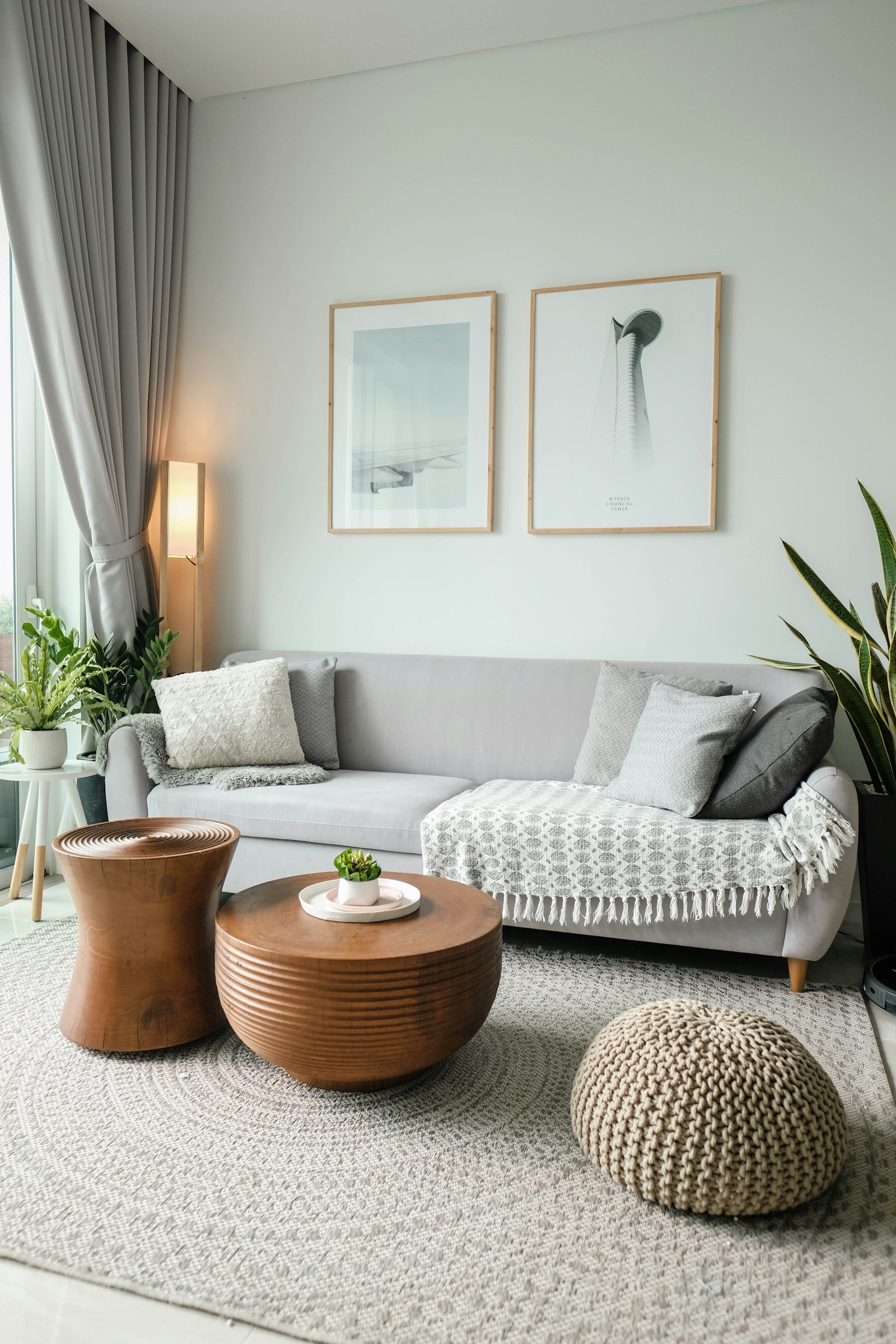
The question of whether a dark living room is right for you is one that deserves a more nuanced answer than the simple aesthetic preference it is usually reduced to. Dark living rooms are genuinely more complex to live with than light ones, and the decision to go dark should be made with honest consideration of the practical implications — the increased maintenance requirements, the additional lighting investment, the effect on perceived room size — alongside the aesthetic ones. This is not to discourage the dark living room; on the contrary, when it is the right choice for the right person in the right room, it produces results of extraordinary beauty and comfort. But it is to suggest that the decision should be made with full awareness of what it actually involves.
The practical guide to deciding whether a dark living room is right for you begins with an honest assessment of how you actually use your living room and what qualities you most need it to provide. A living room used primarily in the evenings — for relaxation, for entertaining, for the kind of intimate domestic activity that benefits most from atmospheric light and visual enclosure — is an ideal candidate for a dark treatment. A living room used primarily during the day — for working from home, for homeschooling, for the kind of activity that requires genuine task light and visual clarity — is a less suitable candidate, because the dark treatment imposes a cost in natural light that daylight-dependent activities cannot afford.
The Light Assessment: Your Room's Current Situation
The first practical question is about your room's natural light: how much does it receive, from which direction, and at what times of day? A south-facing living room that receives generous sun for most of the day has enough natural light to absorb the reduction that dark walls create without becoming oppressively dim; a north-facing room that receives only indirect light all day may become genuinely uncomfortable in a dark treatment if supplementary artificial lighting is not invested in adequately.
The size of the room is the second practical consideration: dark colors visually reduce the perceived volume of a room, and a small, already-constrained living room may feel genuinely cramped in a dark treatment. A large room with high ceilings can absorb the visual reduction that dark walls create without discomfort; a small room with low ceilings may not be able to. The test is whether the room has enough intrinsic spatial generosity to survive the reduction — whether its light and volume are abundant enough that the cost of the dark treatment still leaves an adequate remainder.
The Commitment: What Going Dark Actually Requires
The commitment to a dark living room is greater than the commitment to a light one in several practical respects. The maintenance requirement is higher: dark walls reveal dust, fingerprints, and scuffs more clearly than light ones, and they require more frequent touching up and repainting. The lighting investment is higher: supplementary artificial lighting is not optional in a dark room — it is what makes the difference between a space that feels atmospheric and dramatic and one that simply feels gloomy. The material investment is higher: the materials that work best in dark rooms (velvet, silk, warm metals) tend to be more expensive than the materials that work best in light rooms.
Against these costs, the benefits are real and significant for those whose living patterns are suited to them: the quality of atmospheric warmth and enclosure that a well-done dark living room creates is unmatched by any other approach; the quality of intimate light in the evening hours is genuinely different and genuinely superior in a dark room than in a light one; and the aesthetic confidence that a committed dark treatment communicates is one of the most compelling design statements a living room can make. The dark living room rewards the person who is prepared to make the investment and the commitment it requires. Explore our curated collection at Little-Chapter.com for the rich textiles, warm-toned accessories, and atmospheric lighting that make the dark living room as beautiful in practice as it is in aspiration.