

Introducing Color Blocking Through Furniture and Accessories
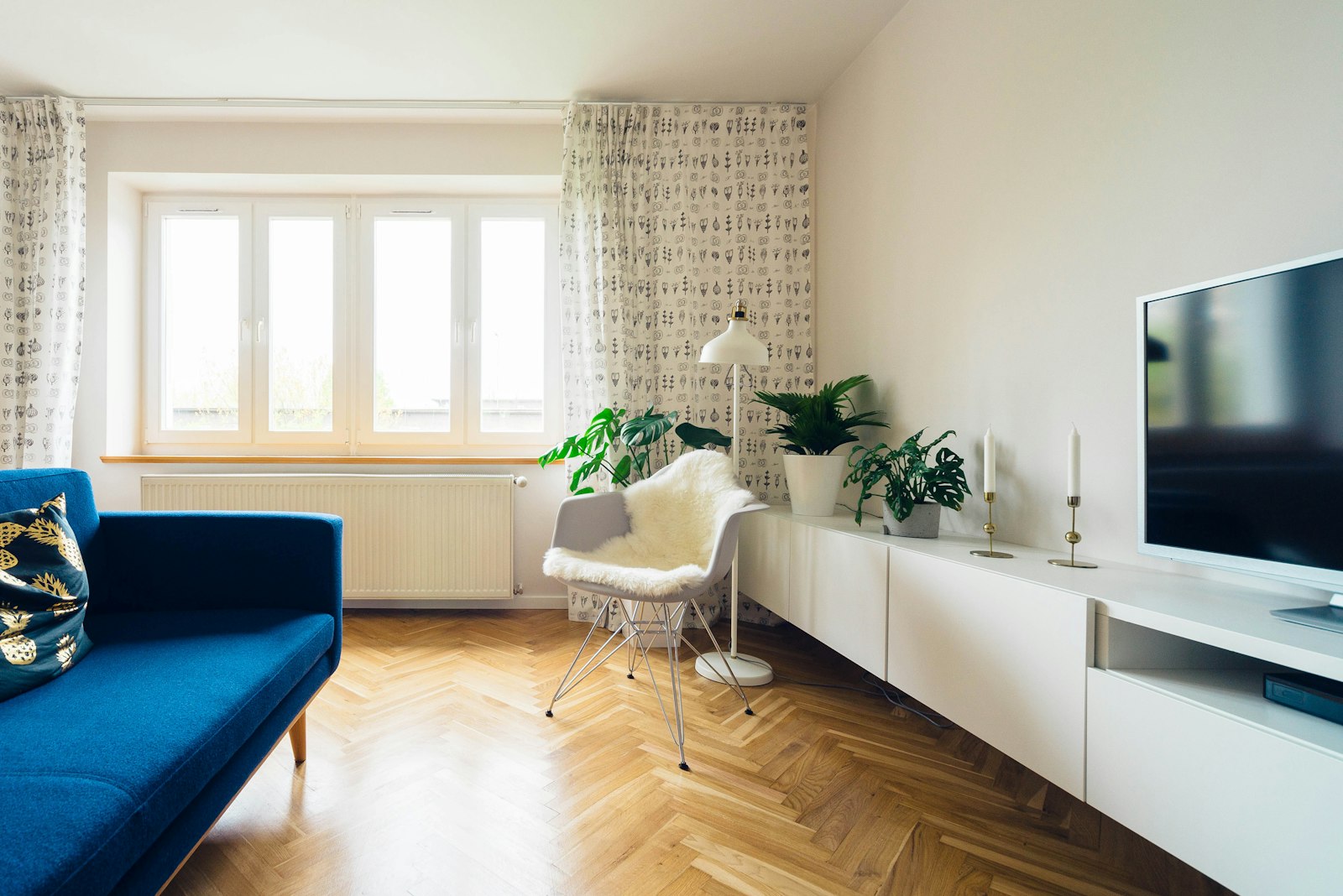
For those who are drawn to the visual drama of color blocking but are not ready to commit to the permanence of painting walls or the expense of reupholstering major furniture pieces, there is a third path: introducing color blocking through the more flexible medium of furniture and accessories. This approach allows the technique to be explored and developed at a pace and investment level that is reversible and adjustable, building confidence and experience with color relationships before making the larger commitments that the full color-blocked interior requires.
The furniture and accessories approach to color blocking is not a compromise or a half-measure: it is a genuinely distinct aesthetic mode, capable of producing rooms of significant visual impact through the careful selection and arrangement of pieces that create the graphic, color-blocked effect through their juxtaposition rather than through the treatment of the room's fixed surfaces. In some respects, this approach is more demanding than the wall-paint approach, because each piece must be beautiful and well-designed in itself as well as contributing to the overall color composition — there is no single wall of color to anchor the scheme and make lesser pieces look better than they are.
Starting with the Sofa: The Most Impactful Furniture Color Decision
In the living room, the sofa is the piece whose color most powerfully determines the room's overall palette and the degree to which color blocking is achievable through furniture alone. A sofa in a bold, saturated color — a deep teal, a warm terracotta, a rich burgundy, a saturated olive — immediately creates the dominant block of color from which the color-blocked scheme can be built. The remaining furniture and accessories can then be chosen to provide the contrasting color blocks: chairs in a complementary color, a rug that introduces a third tone, cushions and throws that bridge between the sofa color and the chair color.
The challenge is that a bold sofa color is among the most committed furniture decisions available, because sofas are expensive, difficult to move, and visible from virtually every point in the living room. This commitment requires genuine confidence in the color choice — the confidence that comes from careful testing with large fabric swatches in the actual room, at different times of day, before committing to purchase. The color that looks right in a small swatch or in a showroom may look significantly different at full sofa scale in the specific light conditions of the specific room, and this difference matters enormously when the piece in question will be lived with for years or decades.
Chairs and Accent Seating: Building the Color Relationship
Once the dominant furniture color is established — whether through a bold sofa or through a series of smaller pieces — the chairs and accent seating of the room provide the opportunity to introduce the contrasting color that makes the arrangement read as color blocked rather than merely brightly colored. The color relationship between the sofa and the chairs is the core of the furniture color-blocking scheme, and the quality of this relationship — whether the colors are complementary, analogous, or triadic — determines whether the scheme reads as designed or merely accidental.
Accent chairs are among the most forgiving places to introduce bold color, because they are individual pieces of modest visual mass and are movable enough to try in different positions before committing. A single accent chair in a bold contrasting color to the sofa creates the beginning of a color-blocked conversation; a pair of accent chairs in the contrasting color, positioned symmetrically, creates a fully developed color-blocked scheme of significant visual impact.
Accessories as Color Accents: The Most Flexible Layer
The most flexible layer of the furniture and accessories approach to color blocking is the accessory layer: the cushions, throws, rugs, art, and smaller decorative objects that can be changed most easily and most affordably when the color palette is being refined or updated. This layer allows color relationships to be tested at low cost and high reversibility before larger commitments are made, and it provides the opportunity to fine-tune the proportions of each color within the overall scheme.
The rug is the most powerful single accessory in the color-blocking scheme, because its size and visual weight place it among the most significant elements of the room's color composition rather than among its accents. A rug that carries the room's color-blocking palette — that contains or echoes both the dominant color of the sofa and the contrasting color of the accent chairs — ties the furniture scheme together in a way that no other accessory can achieve. Explore our curated collection at Little-Chapter.com for beautifully designed furniture pieces and home accessories in bold colors that help you build a color-blocked interior with confidence and style.