

Indoor Plants for Every Room: The Complete Guide to Biophilic Home Decor
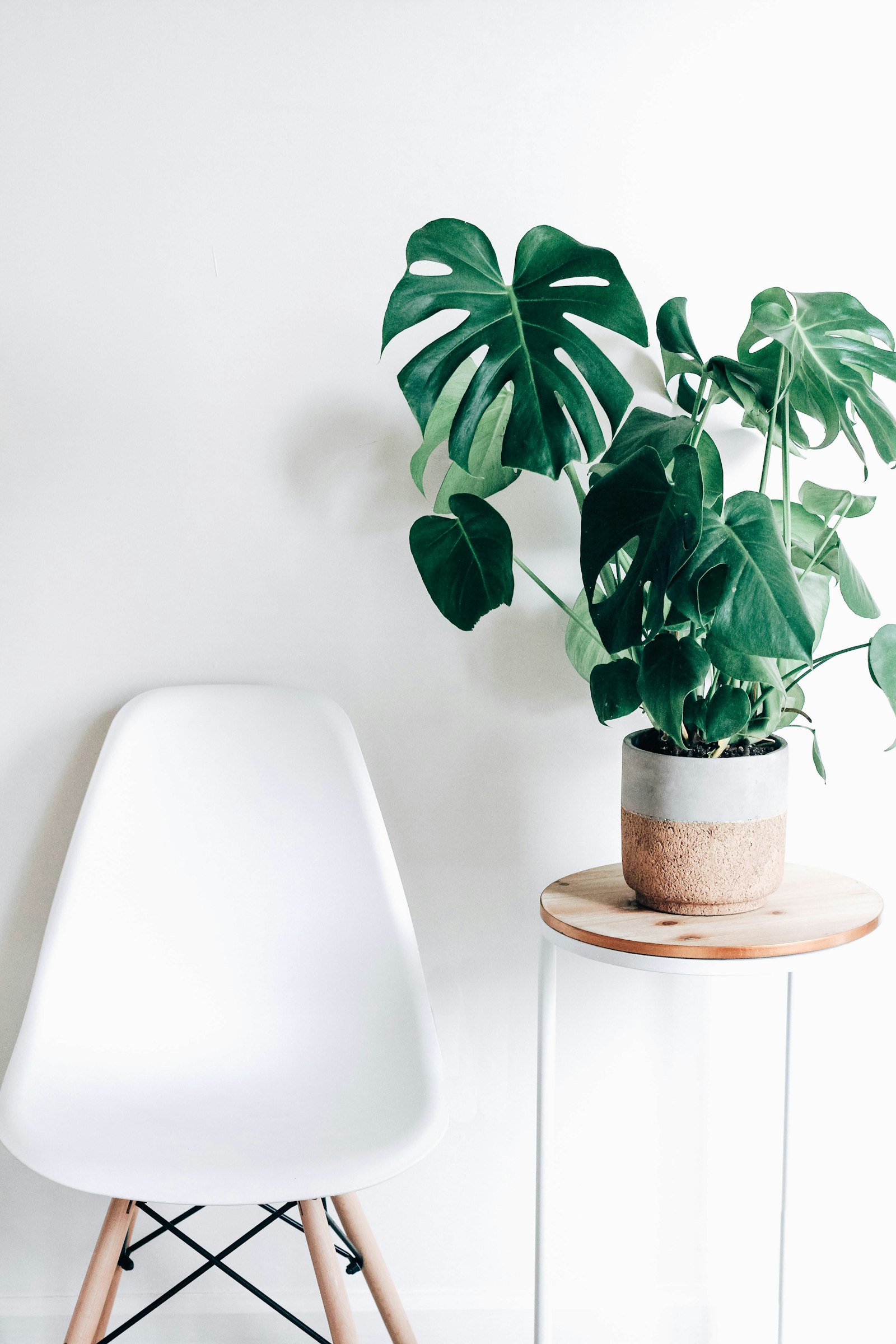
There is something quietly transformative about bringing living plants into your home. Beyond the obvious visual contribution — the green, the organic form, the sense of something growing and breathing in the space — plants change the atmosphere of a room in ways that are genuinely physical as well as psychological. They purify the air, regulate humidity, and reduce noise levels. They provide a point of focus that invites the eye to rest. They mark the passage of time and the turning of seasons in a way that no inanimate object can. In short, plants make homes feel more alive because they are alive.
Biophilic design — the practice of incorporating natural elements into built environments to satisfy our deep, evolutionarily-grounded need for connection with nature — has become one of the most significant and most evidence-based trends in contemporary interior design. Research consistently shows that access to natural elements, including indoor plants, reduces stress, improves mood and cognitive function, and increases feelings of wellbeing. In practical terms: plants make you feel better in your home.
Choosing Plants for Different Rooms
Different rooms have different light conditions and different levels of humidity, and the first step in successful indoor plant selection is matching the plant to the environment rather than trying to force the environment to suit the plant. The living room, which typically receives the most natural light of any room in the house, can accommodate the widest range of plants. Fiddle leaf figs, monstera deliciosa, large rubber plants, and dramatic snake plants all do well in bright to medium indirect light and make significant visual statements in a living room setting.
Bedrooms tend to have slightly lower light levels and benefit from plants that are tolerant of indirect light and that actively contribute to the sleeping environment. Lavender, with its well-documented sleep-promoting properties, is an excellent bedroom plant when it can receive sufficient light. Peace lilies are beautiful, low-light tolerant, and effective air purifiers. Small succulents and cacti require minimal maintenance and can sit happily on a bedside table or windowsill without demanding attention.
The Kitchen: A Plant-Friendly Environment
Kitchens offer some of the best conditions for houseplants, combining typically good light levels with the higher humidity created by cooking and washing. Herb gardens — basil, rosemary, thyme, mint, and parsley grown in attractive ceramic pots on a windowsill or under grow lights — are both functional and beautiful, bridging the gap between houseplant and kitchen garden. Trailing plants like pothos or heartleaf philodendron look beautiful cascading from high shelves and are extraordinarily tolerant of the variable conditions that kitchens present.
Bathrooms, with their high humidity and typically lower light, suit a specific set of plants perfectly. Ferns of all kinds thrive in bathroom conditions: the Boston fern, the maidenhair fern, and the bird's nest fern all appreciate the humidity and can tolerate lower light. Air plants (tillandsia) are particularly suited to bathrooms since they absorb moisture directly through their leaves and require no soil at all — they can be displayed in beautiful glass holders, on pieces of driftwood, or simply arranged on a shelf.
Styling Indoor Plants: Pots, Placement, and Composition
The way you style your indoor plants is as important as the plants themselves in determining the visual impact they have on a room. The pot or planter is the frame for the plant, and choosing it carefully — with attention to material, color, proportion, and style — elevates the plant from a practical addition to a designed element. Terracotta pots in natural and painted finishes bring warmth and organic texture. Ceramic planters in matte, earthy glazes look beautiful with most plants. Simple linen and jute basket planters work well for larger floor plants.
Grouping plants together is one of the most effective styling techniques, creating a sense of abundance and lushness that single, isolated plants cannot achieve. A cluster of plants in varying heights and pot sizes, arranged in a corner or along a shelf, creates a micro-landscape within your home that is both visually striking and genuinely soothing to spend time near. Vary the plants within a group for textural interest — combining large-leafed plants with fine-textured ones, trailing plants with upright ones — to create a composition that is layered and dynamic.
Caring for Your Indoor Plants
The most common reason plants die indoors is overwatering rather than underwatering. Most houseplants prefer to dry out somewhat between watering rather than sitting in consistently moist soil, and the single most useful habit you can develop as a plant owner is checking the soil moisture before watering rather than watering on a fixed schedule. A simple moisture meter or the finger-in-the-soil test — if the top inch of soil is still damp, wait — will prevent the root rot that kills more indoor plants than any other cause.
Good drainage is equally important: plants should always be in pots with drainage holes, or in nursery pots with drainage placed inside decorative pots without holes. Ensuring that water can escape freely from the roots is the foundation of plant health, and no amount of perfect watering technique can compensate for a pot that traps water. Beyond these fundamentals, most houseplants are more resilient and more forgiving than their reputation suggests. Explore our curated collection at Little-Chapter.com for beautiful planters, botanical prints, and natural accessories that celebrate the beauty of living greenery in your home.