

How to Style Your Kitchen for Every Season Without a Full Renovation
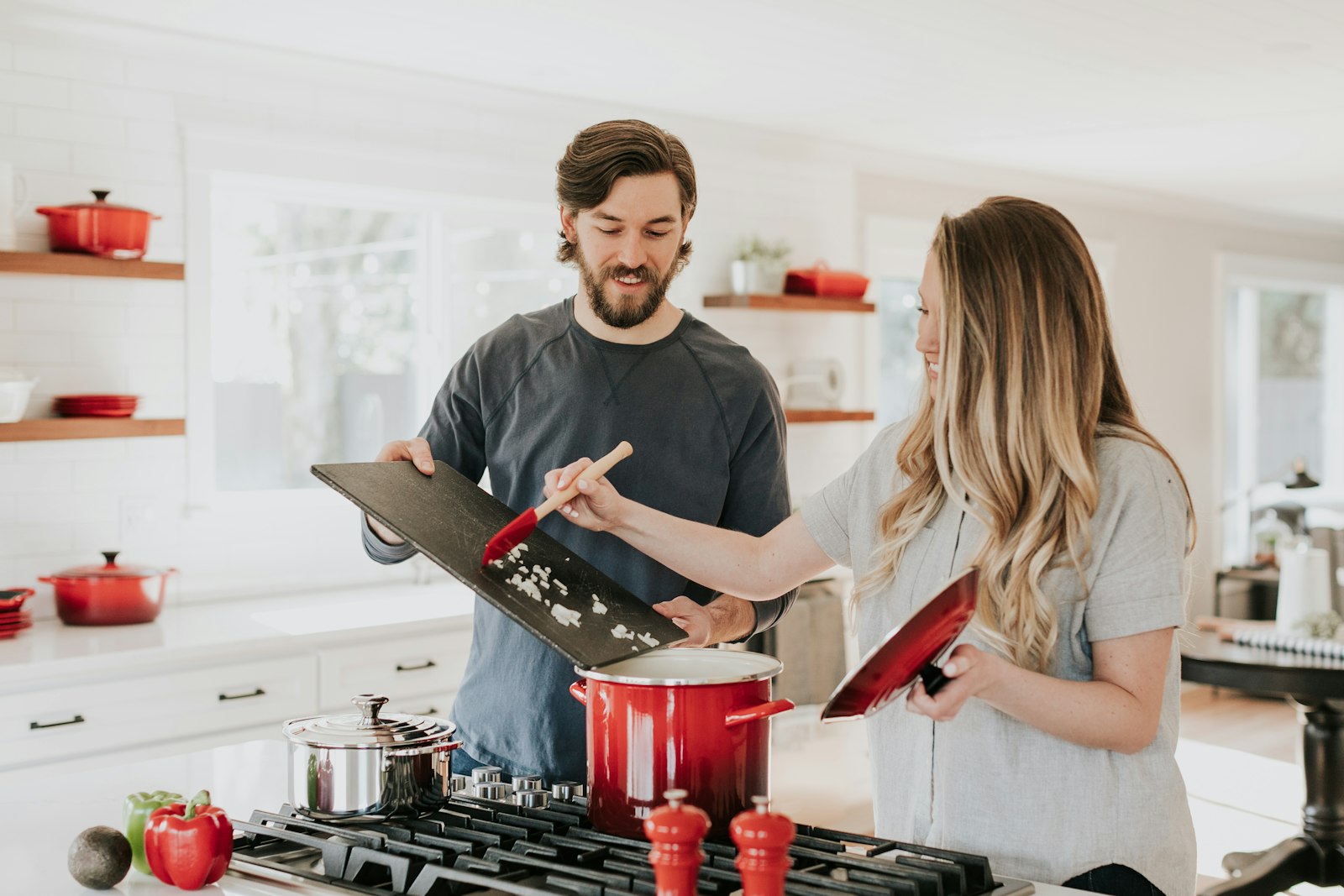
The kitchen is the room that most resists seasonal decoration, because its primary function demands a stability and cleanliness that abundant seasonal accessories undermine: countertops covered in autumn gourds and pumpkins are countertops that cannot be used for cooking. The seasonal kitchen refresh that actually works operates on a different logic from other rooms, focusing not on decorative additions but on the selective editing of what is already visible — the countertop objects, the open shelf arrangements, the textile accents of dish towels and oven mitts — and making small, targeted substitutions that shift the kitchen's atmosphere without compromising its function. The kitchen that reads as seasonally current does so with three or four carefully chosen changes rather than with a comprehensive seasonal decoration effort.
The autumn kitchen shift begins with the objects that live on the countertop by functional necessity: the fruit bowl, the bread basket, the cutting board. Substituting the summer's bowl of citrus fruit with a collection of seasonal squash and gourds in a wooden bowl or on a simple tray transforms the countertop's seasonal signal without adding any new objects or surfaces. A new set of dish towels in linen or cotton with a warm autumnal stripe or earth-tone palette, hung from the oven handle or folded over the edge of the sink, adds a second point of seasonal color at no cost to counter space. On open shelves, the seasonal shift involves bringing forward the darker, warmer ceramic pieces that may be pushed to the back during summer months and retreating the bright or cool-toned pieces to the rear.
Winter Kitchen: Warmth and Abundance
The winter kitchen carries the warmest seasonal atmosphere of the year, because it is the season when the kitchen is most actively used — for holiday baking, for slow-cooked meals, for hot drinks — and the visual cues that signal warmth align naturally with the room's function. The kitchen's seasonal transformation for winter requires almost no additional accessories if the existing collection is rotated thoughtfully: the heavy ceramic mugs that feel right in winter can replace the summer glasses on the most visible shelf; the wooden cutting boards and heavy cast-iron pot that live in storage during summer become both functional and decorative during winter months when they are in regular use and look right sitting out.
The winter kitchen's most powerful seasonal signal is often the simplest: a cluster of candles on the kitchen table or island — not on the working countertop, where they compromise function — creates the warm, amber light that transforms kitchen atmosphere during the darker months. A small potted herb in a simple terracotta pot on the windowsill provides both a practical resource and a living green accent that counteracts winter's tendency toward dryness and static decoration.
Spring and Summer: Freshness and Light
The spring kitchen refresh is the most energizing seasonal change because it involves the replacement of winter's warmth with something genuinely fresh: lighter ceramics, brighter fruit in the bowl, a bunch of spring flowers in a simple glass jar on the countertop. The single jar of seasonal flowers — tulips in early spring, peonies in late spring, zinnias in summer — placed on the kitchen counter or table is the one kitchen seasonal addition that is always worth making, because it adds color, life, and fragrance with a single gesture. Summer extends this freshness with linen dish towels in white or pale natural tones, clear glass storage jars replacing heavier ceramic containers, and the maximum reduction of countertop objects to create the clean, airy atmosphere that suits the season. Explore our curated collection at Little-Chapter.com for seasonal kitchen textiles, ceramic storage and serving pieces that transition beautifully between seasons, and natural fiber kitchen accessories in earth tones.