

How to Master Vintage furniture upcycling
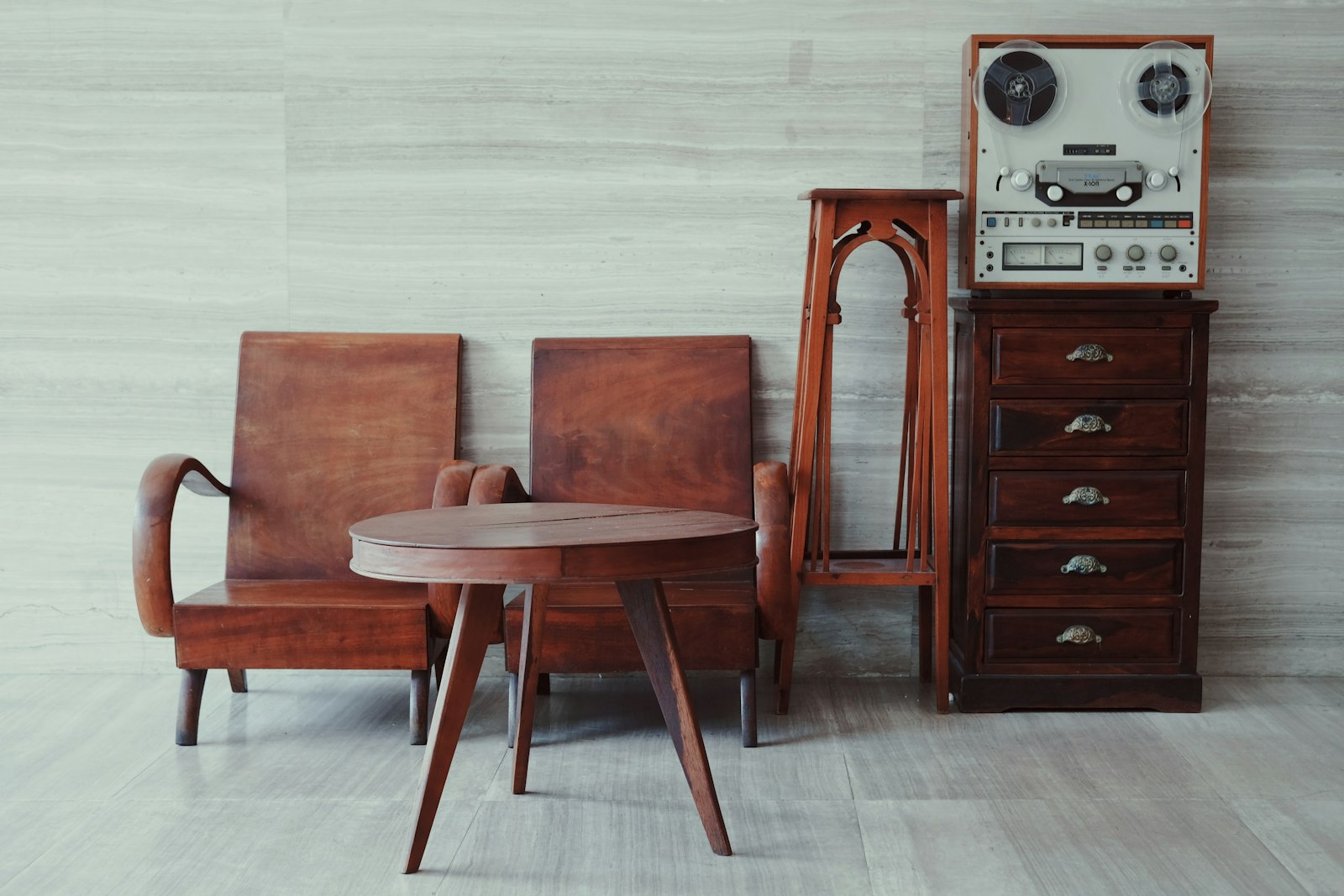
Upcycling looks easy in a thirty-second video, but anyone who has peeling paint or a blotchy stain to show for their efforts knows better. Mastering the craft is about preparation and judgment: knowing what to buy, how to prep, and when to stop. Get those right and you can turn forgotten furniture into pieces people assume cost a fortune. Here is how the experts do it.
The Mistake: Skipping the Prep
Almost every upcycling failure traces back to inadequate preparation. Paint applied over grime, gloss, or loose joints will peel and disappoint. Masters spend most of their time cleaning, repairing, and sanding so the finish has a sound surface to grip. The boring step is the one that guarantees a professional result.
Learn to Read a Piece
Skilled upcyclers can spot a winner across a crowded thrift store. They look past dated finishes to construction, solid wood, dovetail joints, a sturdy frame.
Buy Bones, Not Looks
Surface flaws are easy to fix; poor construction is not. Choosing pieces with good bones is the foundation of every successful project.
Match Technique to the Wood
Mastery means knowing when to paint and when to reveal. Beautiful grain deserves an oil or wax that lets it shine, while damaged or plain wood is a perfect candidate for chalk paint or a rich color. Choosing the right approach for each piece is a skill that comes with practice and a careful eye.
Invest in the Right Finishes
The pros do not cut corners on materials. Quality primer, good paint, and a durable topcoat make the difference between a project that lasts years and one that chips in months. Swapping dated hardware for well-made handles is a small, high-impact upgrade that signals craftsmanship.
Know When to Stop
Part of mastery is restraint. A few dents and signs of age are character, not flaws. Over-restoring can strip a piece of the very patina that makes vintage special. The skilled upcycler repairs what is broken and preserves the story in the rest.
Style It Into the Room
The final skill is placement. One characterful vintage piece can anchor a modern room, but a space crowded with them feels cluttered. Use restored treasures as focal points against cleaner backdrops so each one gets to shine.
Conclusion
Mastering upcycling comes down to thorough prep, reading a piece's bones, matching technique to the wood, investing in good finishes, knowing when to stop, and styling with restraint. With these, secondhand finds become showpieces. When you are ready to pair your restored treasures with timeless accents, explore our curated collection at Little-Chapter.com.