

How to Master Layering rugs for depth
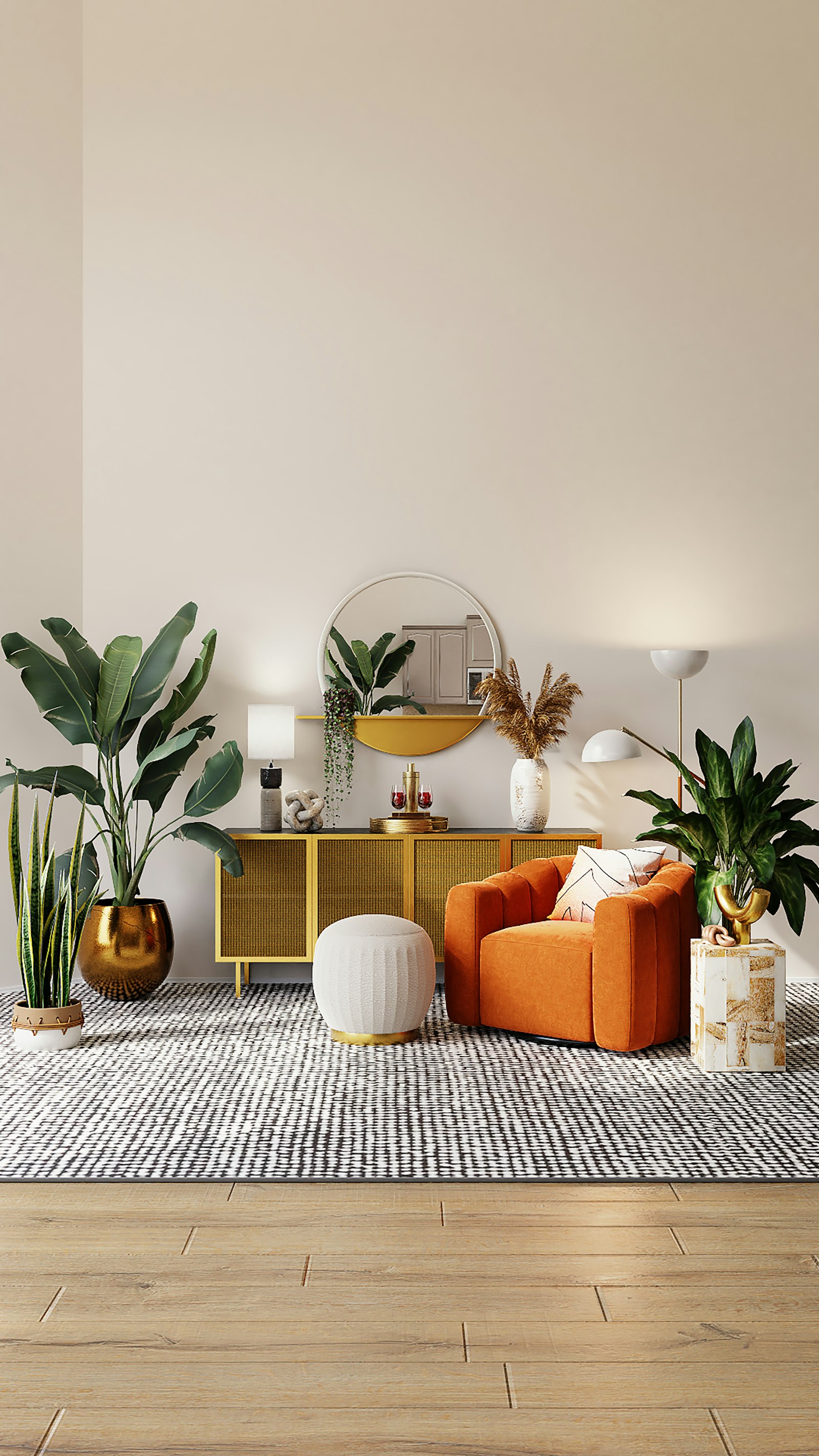
Layering rugs looks like one of those effortless designer tricks, but done carelessly it reads as a mistake, like two rugs that simply ended up in the same place. Done with skill, it adds warmth, depth, and a collected richness that a single rug never achieves, and it quietly solves practical problems too. Mastering the technique comes down to understanding base, contrast, and placement. Here is the expert approach.
The Mistake: Random Pairing
The most common misstep is throwing two rugs together with no relationship between them, mismatched in scale, fighting in pattern, or too similar to register as deliberate. The professional approach treats layering as a composition: a considered base, a purposeful top layer, and a clear reason the two belong together. Intention is what separates designer layering from an accident.
Before you buy, picture the pairing as a whole, the way you would an outfit, so each rug has a defined role.
Master the Base Layer
Everything starts with a large, simple, neutral foundation. Natural fibers like jute, sisal, and seagrass are ideal because they are affordable, hardwearing, and texturally beautiful.
Go Generously Large
Your base should be big enough to anchor the whole seating area, ideally reaching under the front legs of the furniture. A too-small base undermines the entire look.
Choose a Top Layer With Personality
The top rug is where you express yourself: a vintage Persian, a bold geometric, a soft sheepskin, or a richly colored wool. Because the base is quiet, the top layer can be as expressive as you dare. Position it slightly off-center or at a gentle angle for that relaxed, intentional, gathered feeling.
Contrast Your Textures
The secret to layering that looks luxurious is textural contrast. A flat, coarse jute base beneath a plush or finely woven top rug creates a satisfying interplay that flatters both pieces. Pairing rough with smooth, or low pile with high, is what gives the arrangement its tactile depth.
Tie Them Together With Color
Even contrasting rugs need a connection. Link your two layers with a shared tone or complementary palette so the pairing feels deliberate. If the top rug is busy, keep the base plain; if both are quiet, let texture carry the interest. This balance keeps the look cohesive.
Layer Beyond the Living Room
True mastery means using the technique everywhere. A sheepskin over a jute runner warms a bedside, a small kilim over sisal softens an entry, and layered rugs beneath a reading chair create an instant nook. Wherever you crave warmth and depth, thoughtful layering delivers.
Conclusion
Mastering layered rugs means pairing with intention, building a generous neutral base, choosing an expressive top layer, contrasting textures, tying them together with color, and using the trick throughout your home. The reward is warmth and depth in every room. When you are ready to find the perfect rugs to layer, explore our curated collection at Little-Chapter.com, where every piece is chosen to help your space feel grounded and warm.