

Home Office Styling for Productivity, Focus, and Inspiration
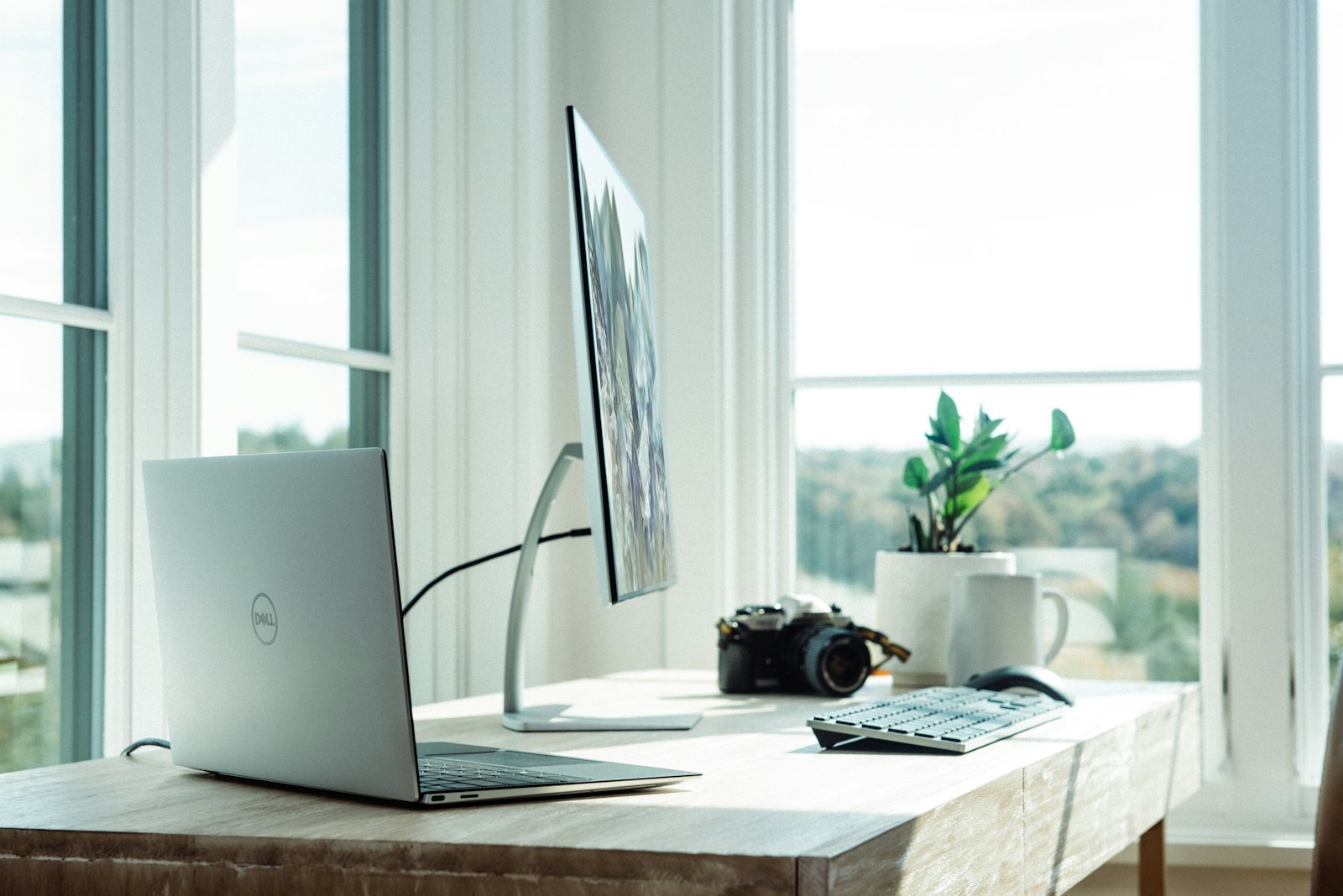
The home office has undergone a fundamental transformation in the past several years — from a room that many homes didn't need at all, to a space that is, for a significant portion of the working population, as important as any room in the house. The quality of the environment in which we work has a direct and documented impact on the quality of the work we produce, on our ability to concentrate, and on our mental and physical health during the working day. Designing a home office that genuinely supports productivity and wellbeing is not a luxury but a practical necessity.
The good news is that the design principles that make a home office functional are also those that make it beautiful. Clarity, good light, intelligent storage, and a considered visual environment are both the conditions for effective work and the qualities of a well-designed room. The home office is the room where functional and aesthetic design most naturally align.
The Desk: Foundation of the Workspace
The desk is the most important piece of furniture in the home office, and it deserves the most careful selection. The primary functional requirements are surface area — enough to accommodate your working materials comfortably without requiring constant reorganization — and height, which should allow you to sit with your forearms parallel to the floor and your monitor at eye level without straining your neck. Beyond these basics, the desk should be beautiful enough to be worth spending eight or more hours beside daily.
Solid wood desks in a natural finish have a quality of warmth and authority that laminate and composite alternatives rarely match. A simple, well-made wooden desk with a drawer or two for daily necessities creates a workspace that feels substantial and intentional. For those who need maximum surface area, a desk with a return or an L-shaped configuration allows generous working space without sacrificing the clean aesthetic of a single straight run of desk. Standing desk capability — either a full electric height-adjustable desk or a desktop riser — adds the ergonomic flexibility that prolonged desk work increasingly demands.
Chair: The Ergonomic Imperative
The chair is the home office investment that is most commonly deferred and most immediately regretted when it is. An ergonomically inadequate chair produces back pain, neck strain, reduced concentration, and the kind of physical discomfort that makes long work sessions genuinely unpleasant. An excellent ergonomic chair, properly adjusted to the individual user, supports posture, reduces fatigue, and makes the hours of desk work that contemporary professional life demands significantly more comfortable.
The challenge is that the chairs with the best ergonomic credentials — the Aeron, the Embody, the Leap — tend to have the most aggressively functional, least aesthetically beautiful designs. For those for whom the visual environment of the home office is genuinely important, the compromise between ergonomics and aesthetics is real. The best current options sit somewhere between the two extremes: ergonomic task chairs with refined designs, vintage executive chairs that provide reasonable support with interesting visual character, or hybrid options where a genuinely ergonomic cushion insert upgrades an otherwise beautiful but less supportive chair.
Light: The Most Important Variable
Lighting quality has a greater impact on concentration, eye strain, mood, and energy level during the working day than almost any other environmental variable. Natural light from a window is the ideal, and positioning the desk to take advantage of it — facing or perpendicular to a window rather than with the window directly behind the monitor (which creates glare) or behind the user (which shadows the work surface) — is the first and most important lighting decision.
For artificial lighting, a dedicated task light at the desk is non-negotiable for extended work sessions. A desk lamp with an adjustable arm positions the light precisely where the work is, eliminating shadows and reducing eye strain. Cool white light — 5000K to 6500K color temperature — most closely mimics natural daylight and is associated with alertness and concentration during working hours. This is a departure from the warm white light (2700K to 3000K) appropriate for relaxing spaces, and it is a departure worth making: the cognitive benefit of cool, daylight-temperature task lighting during work hours is well-documented.
Storage and Organization: The Foundation of Focus
A cluttered desk is a cluttered mind — the cliche is also the truth. Visual clutter in the workspace competes for attention, creates low-level cognitive load, and undermines the mental clarity that focused work requires. Excellent storage and organization in the home office is not merely tidiness for its own sake but a genuine productivity tool.
The principle is simple: everything that belongs in the office should have a designated home, and that home should be as accessible as possible for frequently used items and as out of sight as possible for items used rarely. A two-drawer filing cabinet beneath the desk handles paper documents. A set of desk drawers handles stationery and daily tools. Open bookshelves hold reference books, with binders and folders positioned logically. A small tray or dish on the desk surface holds only what is genuinely needed for the current working session. The desk surface itself is reserved for the work: nothing that isn't actively in use should occupy it.
Visual Inspiration and Personalization
The home office is the room where personalization and inspiration most directly serve a functional purpose. A corkboard or magnetic board where you can pin images, notes, and reference material creates an analog productivity tool that no digital equivalent fully replaces. A small collection of objects that carry personal significance — a photograph, a meaningful souvenir, a plant — creates a human connection in what might otherwise be an aggressively functional environment.
Art on the walls of a home office should strike the balance between stimulating and calming — inspiring without distracting, visually interesting without demanding attention. Abstract work in a limited palette, landscape photography, typographic prints with meaningful words — these work well in most home offices. The key is that the art relates to the work — to the quality of thinking and attention you bring to it — rather than simply filling wall space. Explore our curated collection at Little-Chapter.com for beautiful desk accessories, lighting, storage solutions, and art that transform a home office into a space where great work actually happens.