

Entryway Makeover Ideas That Create the Perfect First Impression
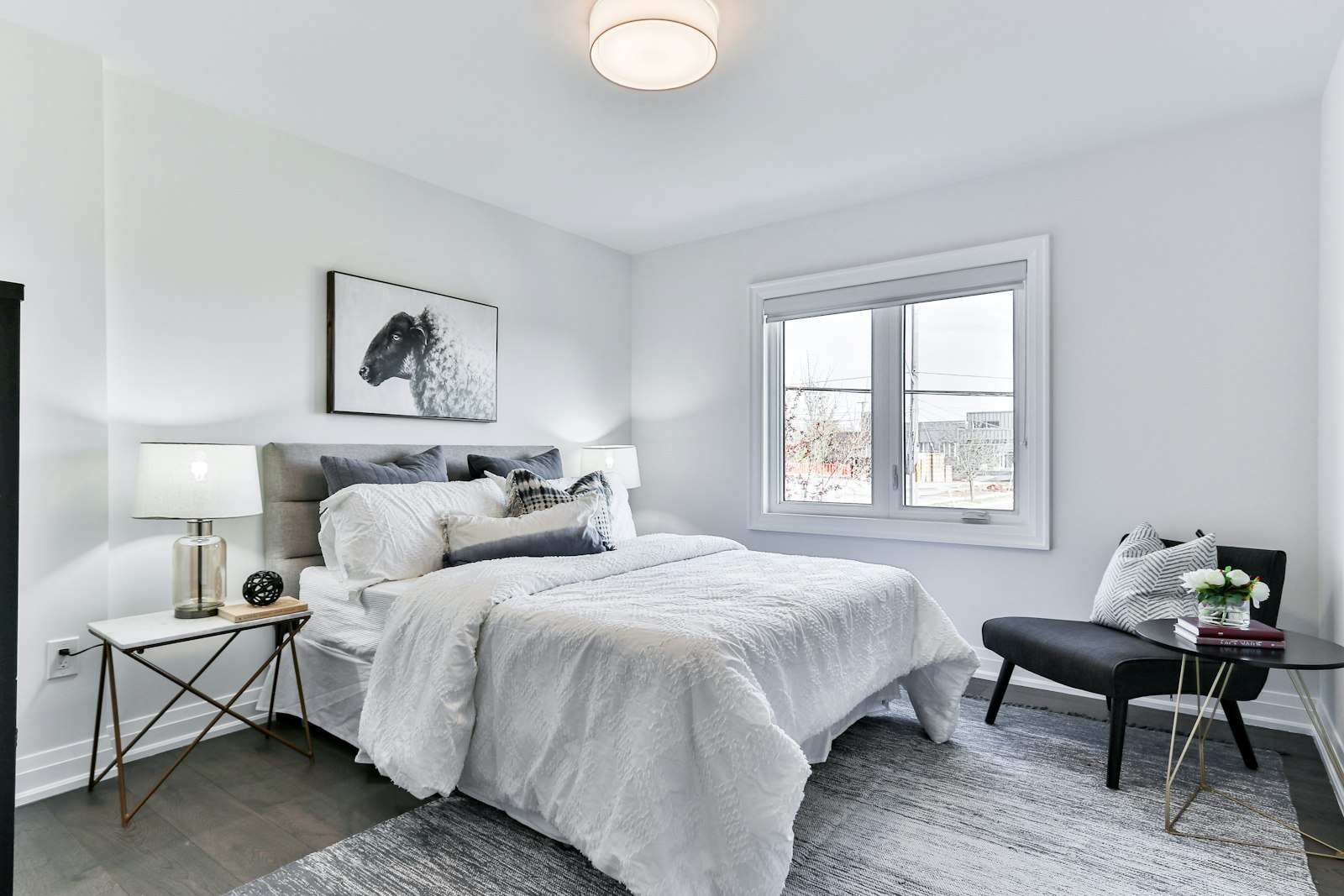
The entryway is the first room of your home that anyone — including you — encounters, and it sets every expectation that follows. Walk into an entryway that is warm, considered, and beautifully organized, and you have already communicated something essential about the home and the people who live in it. Walk into a cluttered, neglected entryway, and even the most beautifully decorated rooms beyond it will be seen through the lens of that first disappointing impression.
Despite this importance, entryways are among the most commonly neglected spaces in home design. They tend to accumulate the functional detritus of daily life — shoes left by the door, bags dropped on any available surface, mail in a pile on the closest flat object — and the aesthetic result is rarely intentional. Transforming an entryway requires addressing both the functional chaos and the decorative opportunity, and the good news is that even the most modest entryway, given proper attention, can be made genuinely beautiful.
The Console Table: Command Central
A console table is the single most transformative piece of furniture you can place in an entryway. It provides a surface for placing items when you enter, an opportunity for a beautiful display arrangement, and a visual anchor for the space that a bare wall simply cannot provide. The console table should be in proportion to the entryway — in a narrow hallway, a shallow console no more than 12 to 14 inches deep that does not impede traffic flow; in a generous entrance hall, a more substantial piece that commands the space with appropriate presence.
The styling of the console table surface follows the same principles as any display surface: a composition in varying heights, a limited color palette, a mix of functional and purely decorative elements. A lamp on one end (providing both light and vertical height), a small tray for keys and coins, a vase of fresh or dried flowers or a small plant, a stack of books, a small sculpture or meaningful object — these elements together create the kind of composed, welcoming arrangement that makes the entryway feel like an extension of the home's design rather than an afterthought.
The Mirror: Light, Space, and Practicality
A mirror in the entryway serves multiple functions simultaneously, which makes it one of the most valuable investments in any entrance space. Practically, it provides a final-check station before leaving the house — a glance before the door closes that catches the errant collar, the misaligned scarf, the something slightly off that would otherwise only be noticed in the bathroom of wherever you were going. Visually, it reflects light back into the space, making even a windowless entryway feel considerably brighter and more expansive.
The mirror should relate to the console table below it in width — typically somewhere between half and two-thirds the width of the console, centered above it, with the bottom of the mirror no less than six inches and no more than twelve inches above the console surface. A round mirror above a rectangular console creates an elegant geometric counterpoint. A mirror in an interesting frame — carved wood, aged brass, woven rattan — adds personality and decorative interest that a plain rectangular mirror cannot provide.
Storage: The Functional Backbone
A beautiful entryway cannot survive without adequate, properly designed storage for the functional items that necessarily belong near the door. Shoes are perhaps the most challenging storage problem in the entryway — they are essential near the door but actively undermine the visual quality of any space in which they are simply left. A low bench with basket storage beneath, a shoe cabinet with clean doors that conceal the contents, a built-in mudroom-style storage wall with individual cubbies — each of these solutions addresses the shoe problem while contributing to rather than detracting from the entryway aesthetic.
Hooks are essential in almost every entryway — for coats, bags, umbrellas, and the daily array of things that need to be grabbed on the way out and shed on the way in. The key is to choose hooks that are both functional and beautiful. A row of Shaker-style wooden pegs, a set of brass cup hooks, a sculptural modern hook in powder-coated steel — any of these elevates the necessary to the beautiful. The number of hooks should be calculated generously — better too many than too few, since a hook that has a designated item always on it is visible storage that is organized, while a hook with an overflow item on top looks chaotic.
Lighting: The Welcoming Element
Lighting in the entryway is what determines whether the space feels welcoming or merely functional. A bright overhead light that illuminates the space adequately but without warmth is better than darkness but falls considerably short of what a well-lit entryway can achieve. The goal is warm, layered light that greets you as you come home and makes guests feel immediately welcomed.
A pendant light or small chandelier overhead provides the primary ambient light while making an immediate design statement. A table lamp on the console table adds warmth at eye level and continues to provide a gentle glow when the overhead light is off. If the entryway has wall space on either side of the console, a pair of wall sconces creates a symmetrical, architectural quality that reads as properly designed rather than improvised.
Color and Material: Setting the Tone for the Home
The entryway is a transitional space — between the outside world and the private interior of the home — and its color and material palette should reflect this transitional character. It should feel related to the colors and materials of the rest of the home without being identical to any single room, setting up the palettes to come without previewing them completely.
A bold color choice in the entryway — a painted ceiling in a deep blue, a wallpapered wall in a rich pattern, a floor in a distinctive tile — creates a sense of arrival and drama that makes the transition from outside to inside feel like an event rather than a passage. If the rest of the home is relatively neutral, a more dramatic entryway creates excitement and anticipation. If the rest of the home is already rich in color and pattern, the entryway may serve better as a calmer, transitional space. Explore our curated collection at Little-Chapter.com for console tables, mirrors, hooks, and entryway accessories that make every arrival feel like a welcome home.