

DIY Accent Wall Ideas: From Paint Techniques to Textured Panel Installations
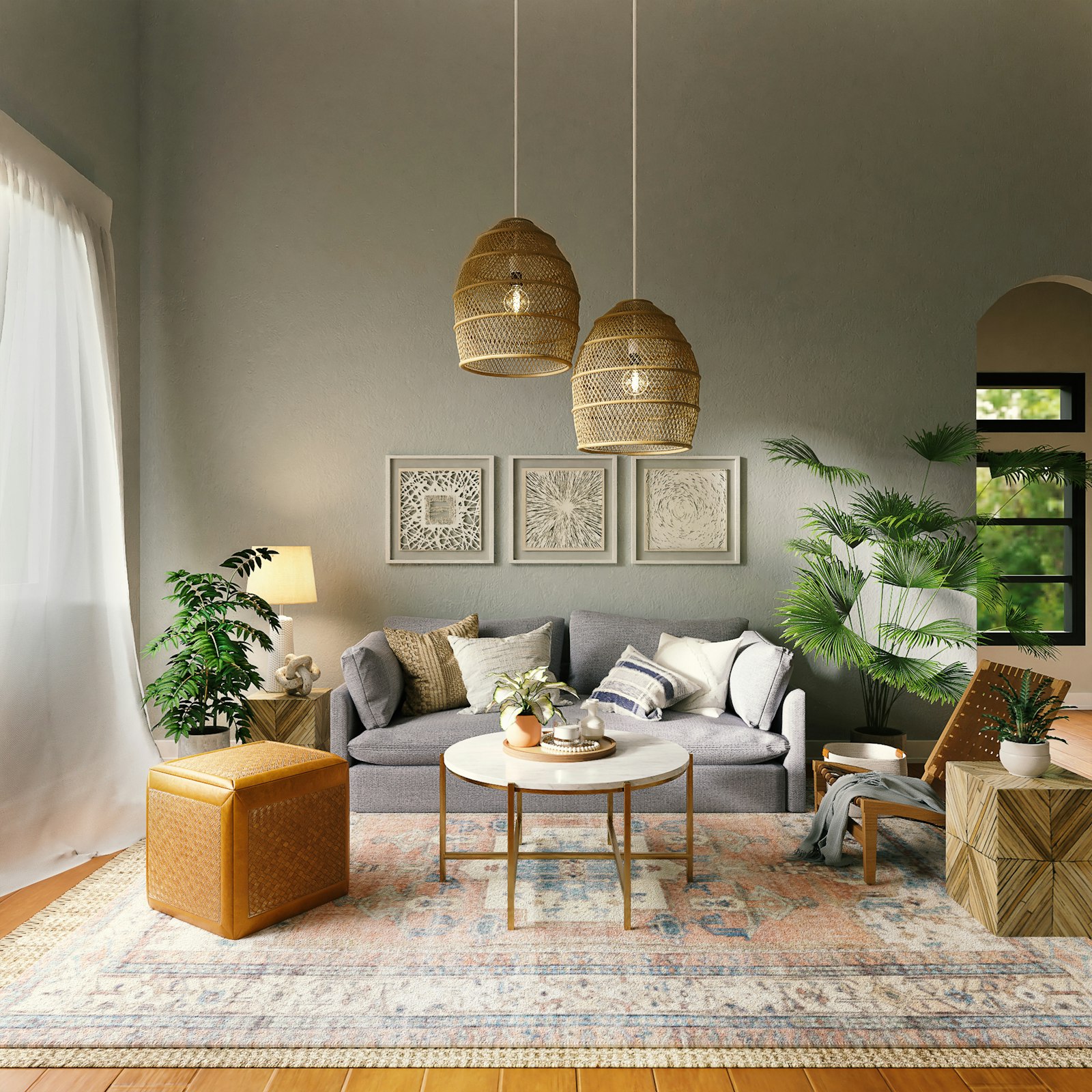
The DIY accent wall is one of the most rewarding home improvement projects available to the motivated amateur: the investment of a weekend afternoon and materials at modest cost can produce a visual transformation of a room that professional finishing would deliver at ten or twenty times the price. The range of DIY accent wall techniques has expanded dramatically in recent years, from the familiar painted stripe and ombre effects of a decade ago to the wood paneling, board-and-batten, limewash, and decorative tile installations that are now achievable by anyone with patience, good instructions, and the willingness to work carefully.
The choice of technique should be made in relation to the specific wall, the specific room, and the specific aesthetic being pursued rather than in relation to the technique's impressive complexity. The most technically challenging DIY project is not necessarily the most beautiful result, and several of the most visually striking accent wall treatments — limewash, color wash, and simple board-and-batten paneling — are among the most accessible to DIY execution with minimal prior experience.
Paint Techniques: Color Wash and Limewash
Color wash is among the oldest and most beautiful decorative painting techniques available, producing a surface that appears to have multiple layers of color applied and partially removed, creating a richness and depth that solid paint cannot achieve. The basic color wash technique requires only two colors of latex paint (a base coat and a wash coat), a wide brush, and a damp rag: the base coat is applied and allowed to dry completely; the wash coat, thinned with water to a translucent consistency, is applied in large, random brushstrokes and then partially wiped away with the damp rag while still wet, leaving a variegated, layered surface that changes with the light and improves with the complexity of application.
Limewash paint is a more recent trend that produces a similar effect — a variegated, slightly uneven, light-catching surface that reads as having depth and movement rather than the flat uniformity of standard paint — through a different mechanism: the calcium carbonate in limewash paint creates a naturally textured surface as it absorbs into the wall. Several brands now offer pre-mixed limewash paint that requires no special preparation and produces the characteristic limewash effect without the chemical complexity of traditional lime painting. The result is a wall surface that reads as naturally aged and organically beautiful in a way that standard paint cannot achieve.
Board and Batten: The Classic Paneling Effect
Board and batten paneling — the installation of vertical boards spaced evenly across a wall, with narrow strips (battens) placed over the seams between boards — is among the most satisfying DIY accent wall projects because it produces an obviously architectural result from materials and techniques that are genuinely accessible to anyone with basic woodworking skills and a miter saw. The effect transforms a flat drywall surface into one with genuine architectural character: the play of shadow across the vertical boards changes with the light throughout the day, creating visual interest that is both subtle and powerful.
The contemporary version of board and batten typically uses MDF (medium-density fiberboard) boards of a standard width — typically four to six inches — installed with equal spacing between them and then painted in the same color as the wall, so that the paneling reads as architectural texture rather than as applied decoration. The monochromatic treatment is what produces the most sophisticated result: all-over coverage in the same color makes the paneling appear to be part of the wall's architecture rather than something added to it.
Decorative Tile: The Kitchen and Bathroom Statement
In kitchens and bathrooms, decorative tile on a single wall — a bold geometric, a handmade terracotta, a classic white subway in an unusual orientation — creates an accent wall of a different quality from painted or paneled alternatives: one with the texture, reflectivity, and material richness of fired clay or ceramic that no paint or panel can replicate. Modern peel-and-stick tile alternatives have made this effect accessible without the irreversibility and skill requirements of traditional tile setting, though genuine tile installation remains the most beautiful and most durable option for those with the commitment and the budget.
The choice of tile pattern and installation orientation can significantly affect the visual character of the accent wall: a standard horizontal brick pattern in subway tile reads as classic and understated; the same tile in a vertical stacked pattern reads as contemporary and graphic; a herringbone installation of the same tile reads as formal and traditional. The pattern is as important as the tile itself in determining the final aesthetic character of the wall. Explore our curated collection at Little-Chapter.com for beautiful wall art, textured decor panels, and decorative accessories that complete an accent wall treatment with finishing details that make the result feel considered rather than DIY.