

Dining Room Ambiance Tips: Setting the Scene for Every Meal
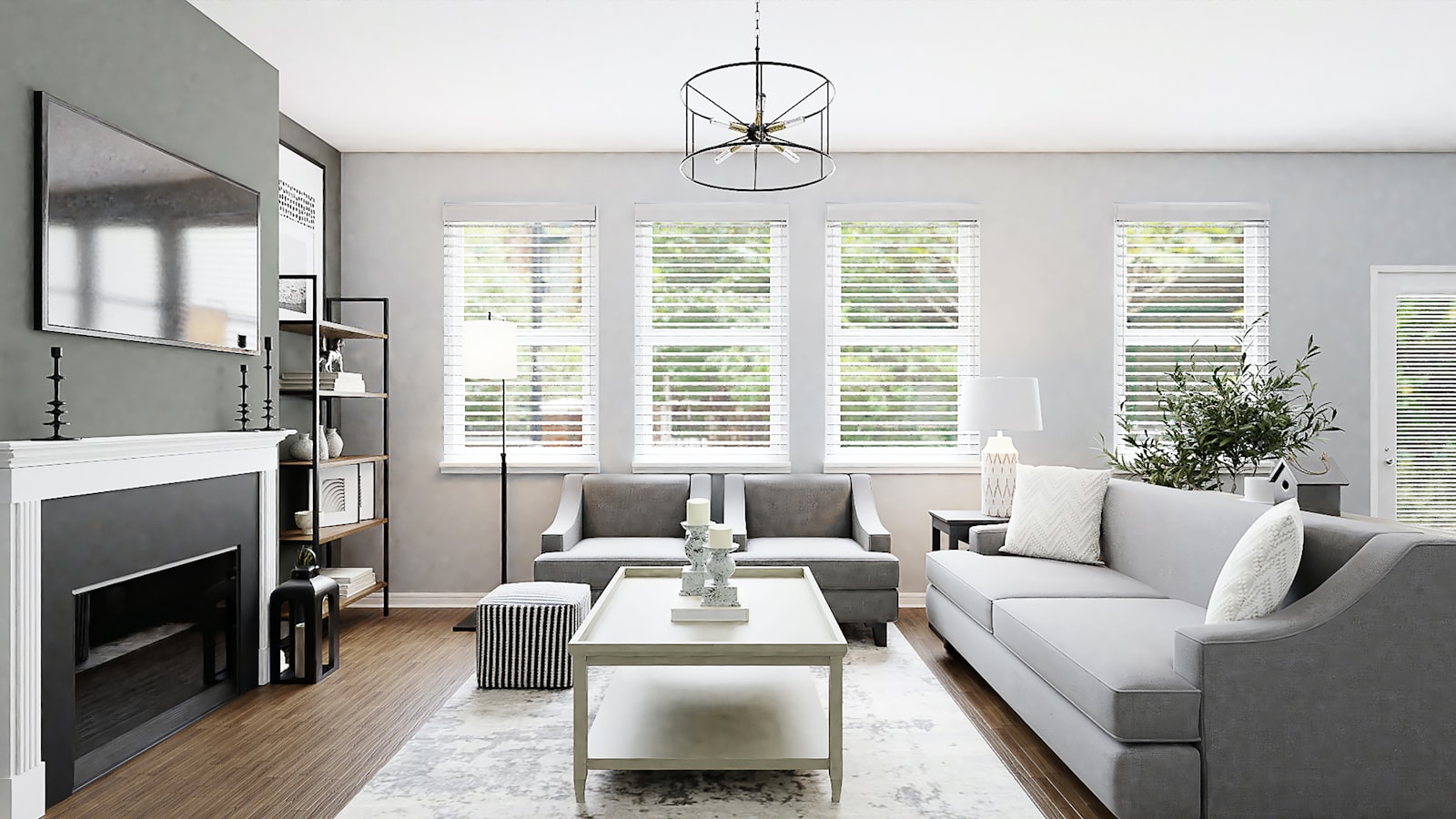
The dining room — even in homes where the dining table is part of an open-plan kitchen and living space rather than a dedicated room — is the space in the home most associated with gathering, with pleasure, with the rituals of sharing food that are among the most fundamental expressions of human connection. How the dining room looks and feels matters in a way that goes beyond mere aesthetics: the ambiance of the space in which we eat affects the quality of the meal, the quality of the conversation, and the quality of the time spent together around the table.
Restaurant designers have understood this for decades. The best restaurant interiors — the ones that draw you back regardless of whether the food is exceptional — create a quality of atmosphere that makes the act of sitting down, eating, and talking feel special. They achieve this through the careful management of light, sound, material, and scale: through the creation of an environment that is intimate without being claustrophobic, animated without being overwhelming, beautiful without being distracting. These same principles, translated to a domestic context, produce dining rooms that elevate every meal from a routine to a genuine experience.
The Table: Scale, Material, and Character
The dining table is the functional and aesthetic centerpiece of the dining room, and the choice of table — its size, its material, its design character — determines much of what is possible in terms of the room's overall ambiance. A table that is the right size for the room and for the household that uses it — large enough to feel generous but not so large as to overwhelm the space — is the foundation of a well-proportioned dining room. The most common mistake is choosing a table that is too large for the room, which prevents comfortable movement around it and makes the room feel cramped rather than generous.
The material of the dining table speaks directly to the character of the dining experience you want to create. A solid wood table in oak, walnut, or reclaimed timber brings warmth, organic character, and a quality of honest materiality that ages beautifully with use. Marble and stone tables bring a quality of cool luxury and visual drama. A glass-topped table maximizes the visual lightness of a small dining room while remaining formal enough for entertaining. Each material choice implies a different quality of dining experience and a different aesthetic context for the meals shared at the table.
Lighting: The Ambiance Essential
Dining room lighting is perhaps the single most important element of dining room ambiance, and it is worth more investment of thought and budget than almost any other aspect of the room. The pendant or chandelier above a dining table is not just a light fixture but a defining architectural element that anchors the space and sets its character. It should be hung low enough — approximately 70 to 80 centimeters above the tabletop — to create an intimate zone of warmth over the table without casting light so directionally that it leaves the rest of the room in darkness.
The quality of dining room light should always be warm — 2700K or below — and the primary source should always be dimmable. The ability to lower the light level over the course of a meal, as the occasion shifts from the animated informality of the early courses to the more settled, contemplative quality of dessert and after-dinner conversation, is one of the most significant contributors to dining room atmosphere. Candlelight as a supplement to the main fixture adds a quality of warm flicker and intimate human-scale light that no electric source can replicate.
Table Styling: The Art of the Dressed Table
The way a dining table is dressed — the tablecloth or runners, the tableware, the glassware, the candleholders and centerpieces — is a significant part of dining room ambiance, and it is an area where personal expression and creativity can flourish. The dressed table need not be formal to be beautiful: a simple linen tablecloth, well-chosen ceramic plates, plain glassware, and a vase of seasonal flowers creates a table that is genuinely lovely without being elaborate or intimidating.
Centerpieces and table styling have become increasingly naturalistic in recent years, moving away from formal floral arrangements toward more organic compositions: a collection of candles of different heights, a low vessel with branches or foliage, a group of ceramics arranged informally in the center of the table. These natural, gathered compositions feel genuinely contemporary and create the quality of considered informality that characterizes the best contemporary dining. Explore our curated collection at Little-Chapter.com for beautiful tableware, candleholders, linens, and dining accessories that help you set a table you are proud to gather around.