

Art Deco Revival: How to Bring Glamour Into the Modern Home
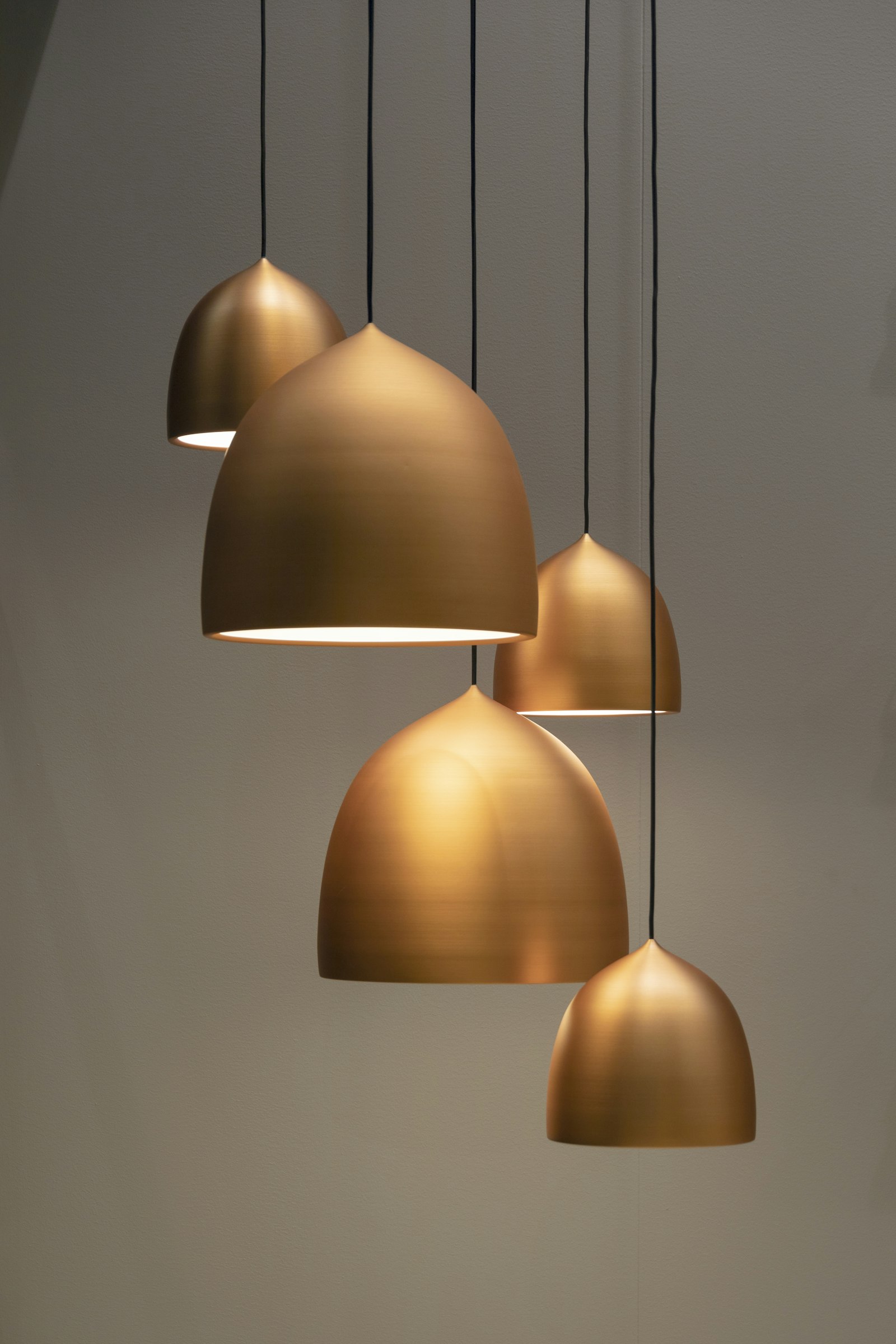
Art Deco — the design movement that flourished between the two World Wars and gave the world some of its most glamorous, most exuberant, and most recognizable visual culture — is having a powerful revival in contemporary interior design. In a design landscape that has, in recent years, tended toward restraint, neutrality, and quiet good taste, Art Deco arrives like a declaration: that beauty can be bold, that luxury can be unapologetic, that rooms can shimmer and gleam and make you feel, when you enter them, like something important is about to happen.
The appeal of Art Deco in the current moment is not merely nostalgic. Its vocabulary — geometric boldness, luxurious materials, the interplay of light and dark, warm metallics, and the marriage of craft with modernity — translates remarkably well into contemporary domestic settings. The challenge is knowing how to introduce Art Deco elements in a way that reads as considered and confident rather than theatrical or confused — how to bring the glamour without the pastiche.
The Art Deco Vocabulary: Geometry and Symmetry
The most fundamental characteristic of Art Deco design is its love of geometric form. Chevrons, sunbursts, stepped pyramids, stylized fans, concentric arcs — these geometric motifs appear in Art Deco architecture, furniture, textile, and decorative art with the insistence of a signature. In a contemporary home, the most accessible way to introduce Art Deco geometry is through pattern: a geometric wallpaper in a powder room or study, a chevron-patterned rug in a living room, a step-and-repeat tile floor in a bathroom, an art print with a strong sunburst composition on a bedroom wall.
Symmetry is Art Deco's organizational principle — the style favors bilateral symmetry in furniture arrangement, in the placement of decorative objects, in the composition of vignettes. A pair of matching table lamps flanking a sofa, a pair of identical side tables on either side of a bed, matching decorative objects arranged symmetrically on a console table — this formal, balanced arrangement creates the composed, grand quality that Art Deco rooms are known for.
Materials: The Language of Luxury
Art Deco's material palette is one of the most sensuous in design history: lacquered surfaces, mirrored glass, polished marble, rich velvets, exotic woods in dramatic veneers, chrome and brass and gilded bronze. These materials were chosen not merely for their beauty but for their capacity to reflect and amplify light — to make interiors that glittered and shone, that changed their character as the light changed throughout the day and into the electric brilliance of the evening.
In a contemporary Art Deco-influenced interior, the material palette draws from this rich vocabulary while exercising restraint that the original movement sometimes lacked. One mirrored surface in a room — a mirrored side table, a vanity with mirror-inset panels — creates glamour without excess. Velvet upholstery in a deep jewel tone — emerald, sapphire, plum, teal — creates the tactile luxury and color saturation that is quintessentially Art Deco. Brass in fixtures and hardware (as opposed to chrome, which reads as more purely modernist) provides the warm metallic gleam that connects contemporary interiors to the Deco tradition.
Color: Bold, Rich, and Committed
Art Deco color is unapologetically saturated. Deep teal and gold. Rich black and cream. Midnight blue and silver. Forest green and brass. These high-contrast, deeply saturated palette combinations create rooms of extraordinary visual drama and presence. The Art Deco interior does not hedge its bets with muted, safe colors; it commits to bold chromatic choices and creates rooms that are unmistakably, confidently themselves.
For a contemporary home inspired by Art Deco, the full saturated palette may be more commitment than feels comfortable. A gentler approach introduces one or two Deco colors as accents against a more neutral backdrop: a deep emerald velvet sofa in an otherwise neutral living room, a black lacquered side table against a warm beige wall, a jewel-toned artwork as the focal point of a room that is otherwise restrained in its color use. These touches introduce the Deco spirit without requiring the bravery of a fully committed Art Deco palette.
Furniture: Sculptural, Graphic, Considered
Art Deco furniture is characterized by strong, graphic silhouettes, exotic material use, and the kind of craftsmanship that makes each piece as impressive structurally as it is visually. A curved, lacquered sideboard. A stepped, mirrored bedside table. An armchair with a sharply geometric back and deep velvet upholstery. These are pieces that announce themselves — that refuse to be background furniture.
In a contemporary setting, even one or two pieces with genuine Art Deco character can transform a room's atmosphere. A brass and glass cocktail table. A velvet chaise longue with a carved frame. A sunburst mirror above the fireplace. These pieces don't require a fully Art Deco room to have impact — in fact, they often read more powerfully when they appear as deliberate statements against a more restrained contemporary backdrop. Explore our curated collection at Little-Chapter.com for Art Deco-inspired accessories, lighting, and decor pieces that bring genuine glamour to the modern home.